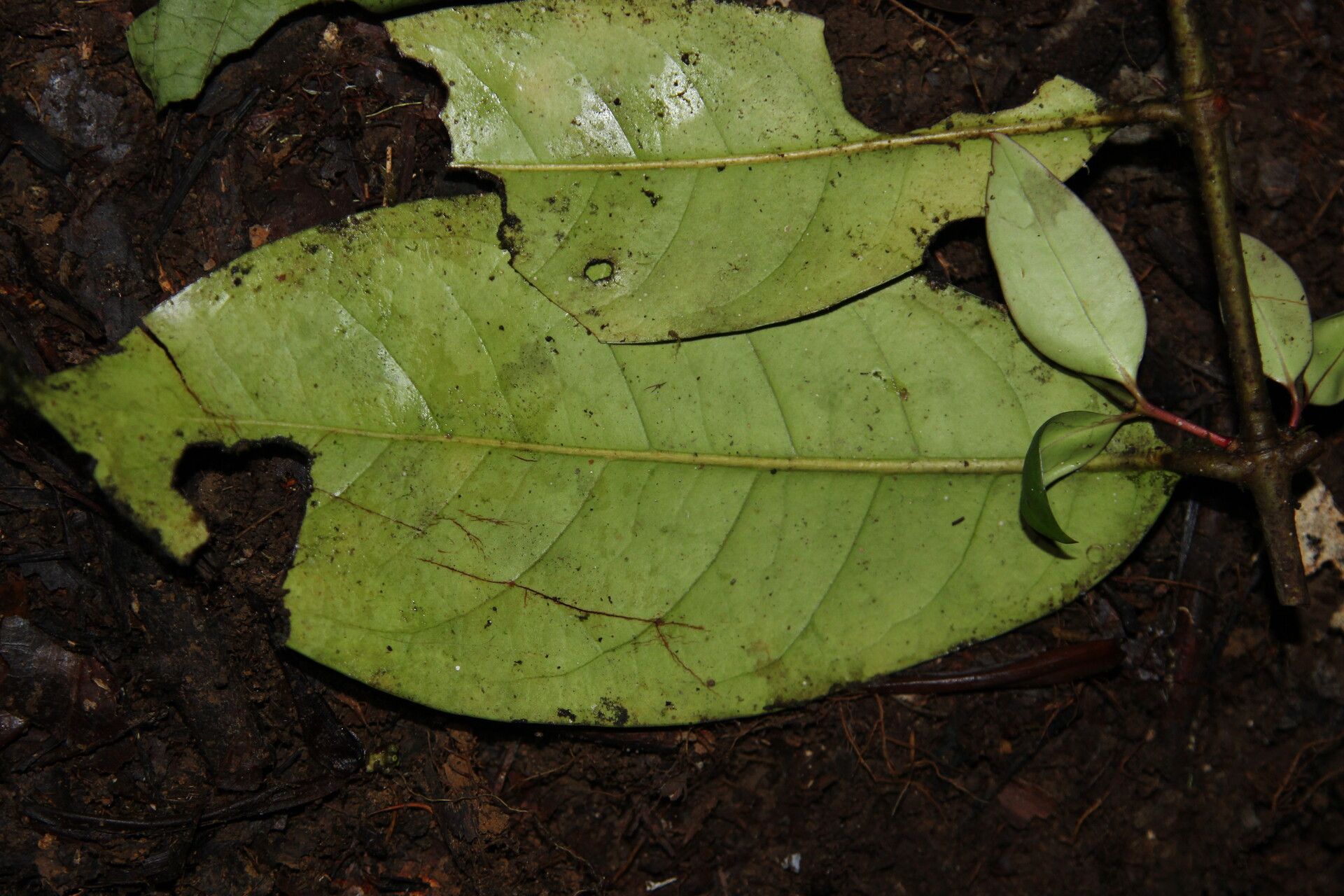
Hello there, fellow plant lovers! It’s so lovely to have you stop by my little corner of the digital garden. Today, we’re diving into the fascinating world of propagating Aidia rubens. If you’re anything like me, you probably fell in love with its delicate leaves and perhaps the promise of those adorable, ruby-red fruits it can produce. There’s a special kind of joy in taking a cutting from a beloved plant and watching it sprout new life. It’s like nature’s magic trick, and I’m here to show you how to perform it.
Now, about bringing new Aidia rubens into your life. For beginners, this can be a tad challenging at first, but with a little patience and the right approach, you’ll be rewarded with success. Don’t be discouraged if your first attempt isn’t perfect; gardening is always a journey of learning.
The Best Time to Start
For the highest success rate when propagating Aidia rubens, I always recommend spring or early summer. This is when the plant is actively growing, brimming with energy, and ready to channel that vitality into root development. You’ll want to take cuttings from healthy, non-flowering stems. Think of it as catching the plant at its youthful peak!
Supplies You’ll Need
Before we get our hands dirty, let’s gather our tools:
- Sharp Pruning Shears or a Clean Knife: For making neat, precise cuts. Dull tools can crush stems, hindering rooting.
- Rooting Hormone (Optional but Recommended): A powdered or liquid hormone can significantly boost your chances of success.
- Well-Draining Potting Mix: A good blend of peat moss or coco coir, perlite, and a little bit of compost works wonders. You want it to hold moisture but not become waterlogged.
- Small Pots or Propagation Trays: Clean pots are essential to prevent disease.
- Clear Plastic Bag or Propagator: To create a humid environment around your cuttings.
- Watering Can with a Fine Rose: For gentle watering.
- Labels and a Marker: To keep track of your different cuttings!
Propagation Methods
There are a couple of excellent ways to get more Aidia rubens from your existing plants. I find stem cuttings to be the most reliable.
Stem Cuttings:
- Select Your Cutting: Choose a healthy stem that is about 4-6 inches long. Look for a stem that feels firm and isn’t woody or overly soft. You want a semi-hardwood cutting – something that bends slightly but doesn’t snap.
- Make the Cut: Using your clean shears or knife, make a clean cut just below a leaf node (where a leaf attaches to the stem). This is a prime spot for root formation.
- Prepare the Cutting: Gently remove the lower leaves from the stem, leaving only the top two or three leaves. If the remaining leaves are very large, you can even cut them in half horizontally to reduce water loss.
- Apply Rooting Hormone (Optional): Dip the cut end of the stem into your rooting hormone. Tap off any excess.
- Plant Your Cuttings: Fill your small pots or trays with your prepared, moist potting mix. Make a small hole with a pencil or your finger and insert the cutting, ensuring the leaf nodes are buried. Gently firm the soil around the stem.
- Water Gently: Water the soil thoroughly but gently. You don’t want to dislodge your cuttings.
- Create a Humid Environment: Place a clear plastic bag over the pot, or cover it with a propagator lid. This will create a mini-greenhouse effect, keeping the humidity high, which is crucial for cuttings that haven’t developed roots yet.
The “Secret Sauce” (Pro Tips)
Here are a few tricks I’ve picked up over the years that can make a real difference:
- Bottom Heat is Your Friend: If you have it, placing your pots on a gentle heated propagator mat can dramatically speed up root development. It mimics the warmth of spring soil and encourages those roots to stretch out.
- Don’t Let Leaves Touch the Water: If you opt for water propagation (which I sometimes do for Aidia rubens if I’m just testing the waters, so to speak!), ensure that no leaves are submerged. Submerged leaves will rot, and that’s no good for anyone. Only the bare stem should be in the water.
- Patience is Paramount (and Fresh Air): While the plastic bag helps retain humidity, it’s a good idea to open it for a few minutes each day to allow for some air circulation. This helps prevent fungal diseases. And seriously, be patient! Rooting can take several weeks.
Aftercare & Troubleshooting
Once you start to see those lovely roots forming – and you can often tell by a gentle tug on the cutting, which will feel more stable, or by seeing roots emerge from the drainage holes – it’s time to transition.
Carefully remove the plastic bag or propagator lid gradually over a few days to acclimate your new plant to the ambient humidity. Keep the soil consistently moist but not soggy. Once it’s well-rooted, you can transplant it into a slightly larger pot with fresh potting mix.
Now, what if things go wrong? The most common culprit is rot. If you notice your cutting turning black and mushy, or if it just wilts dramatically and doesn’t perk up with watering, it’s likely rotted. This is often a sign of too much moisture and not enough air circulation. Don’t despair! Just pull out the affected cutting, clean your pot, and try again with fresh material.
A Little Encouragement
Propagating plants is a wonderfully rewarding experience. It connects you directly to the life cycle of your plants and allows you to share your green thumb with friends and family. Be patient, observe your cuttings closely, and don’t be afraid to experiment. Each attempt is a learning opportunity. Happy propagating, and enjoy the beautiful gift of new life you’re creating!
Resource:
https://identify.plantnet.org/k-world-flora/species/Aidia%20rubens%20(Hiern)%20G.Taylor/data