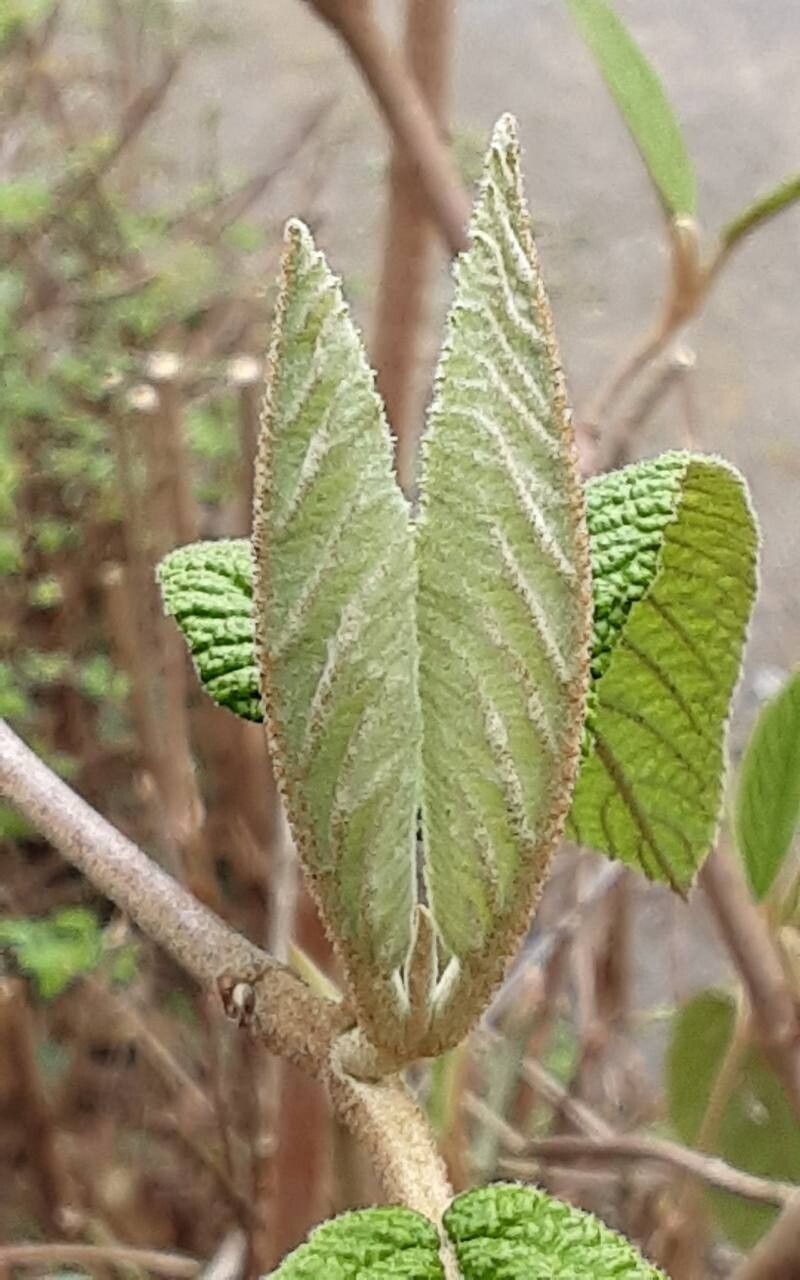
Oh, Viburnum buddleifolium! Isn’t it a beauty? Those delicate sprays of white flowers, followed by those lovely berry-like drupes – it’s such a wonderful shrub to have in the garden. And the best part? You can easily grow more of them yourself! Propagating this viburnum is wonderfully rewarding, and I’m happy to share how I do it. For most gardeners, this is a forgiving plant to start with.
The Best Time to Start
My favorite time for taking cuttings is late spring to early summer. You want to catch the plant when it’s in active growth, but after the initial flush of spring growth has toughened up just a little. Look for stems that are still flexible but not brand new and floppy. Woody stems from last year won’t root as easily, and the super soft new growth tends to get a bit mushy.
Supplies You’ll Need
Here’s what I usually have on hand when I’m ready to get busy:
- Clean, sharp pruning shears or a sharp knife: This is crucial for clean cuts.
- Rooting hormone (optional but recommended): Powder or gel works well.
- Small pots or trays: Clean ones are a must to prevent disease.
- A good potting mix: I like a mix that drains well. A blend of peat moss, perlite, and a bit of compost is usually perfect.
- A plastic bag or propagator lid: This helps create a humid environment.
- Watering can or spray bottle: For gentle watering.
- Labels and a permanent marker: So you don’t forget what you planted where!
Propagation Methods
I find stem cuttings to be the most reliable method for Viburnum buddleifolium. It’s straightforward and yields great results.
- Take Your Cuttings: Select a healthy, non-flowering stem. Using your clean shears, cut a piece about 4-6 inches long. Make the cut just below a leaf node (where a leaf attaches to the stem).
- Prepare the Cuttings: Gently remove the lower leaves from the bottom half of the cutting. You want to expose the part of the stem that will go into the soil. Leave 2-3 sets of leaves at the top. If the remaining leaves are very large, I’ll often cut them in half crosswise to reduce water loss.
- Apply Rooting Hormone: Dip the cut end of the stem into your rooting hormone, tapping off any excess.
- Plant Your Cuttings: Fill your pots or trays with the potting mix. Make a hole in the center with your finger or a pencil. Insert the cutting into the hole, making sure the bottom leaf nodes are below the soil surface. Gently firm the soil around the stem.
- Water Gently: Give the pots a good, gentle watering to settle the soil.
- Create Humidity: Cover the pots with a clear plastic bag or a propagator lid. Make sure the leaves aren’t touching the plastic. You can use stakes to keep the bag elevated if needed. Place these in a bright spot, but out of direct sunlight.
The “Secret Sauce”
Here are a few things I’ve learned over the years that really make a difference:
- Bottom Heat is Your Friend: If you have a seedling heat mat, popping your cuttings on top of it can significantly speed up root development. The warmth encourages the roots to grow. Just make sure the mat isn’t too hot – think gentle warmth, not baking!
- Don’t Drown Them: While humidity is key, you don’t want soggy soil. If you see condensation building up heavily on the inside of your plastic cover, lift it off for a few hours to allow for some air circulation. This helps prevent fungal issues.
- Think About the Parent Plant: When taking cuttings, make sure you’re choosing healthy material from a thriving plant. A weak parent will likely produce weak cuttings.
Aftercare & Troubleshooting
Once your cuttings are planted, keep them in that bright, indirect light. Check the soil moisture regularly; it should be consistently damp but never waterlogged.
You’ll know your cuttings have rooted when you see new leaf growth or feel a slight resistance when you gently tug on the stem. This usually takes anywhere from 4 to 8 weeks, sometimes longer.
The most common problem you’ll encounter is rot. This usually happens if the cuttings are kept too wet or if there isn’t enough air circulation. If you see a cutting becoming black and mushy, unfortunately, it’s best to discard it to prevent it from affecting others. Don’t get discouraged! It’s just part of the process.
A Encouraging Closing
Propagating plants is a journey, and it’s so satisfying to watch those tiny roots emerge and a new plant begin to grow. Be patient, observe your cuttings, and enjoy the process of creating more of these lovely Viburnum buddleifolium for your garden or to share with friends. Happy growing!
Resource:
https://identify.plantnet.org/k-world-flora/species/Viburnum%20buddleifolium%20C.H.Wright/data