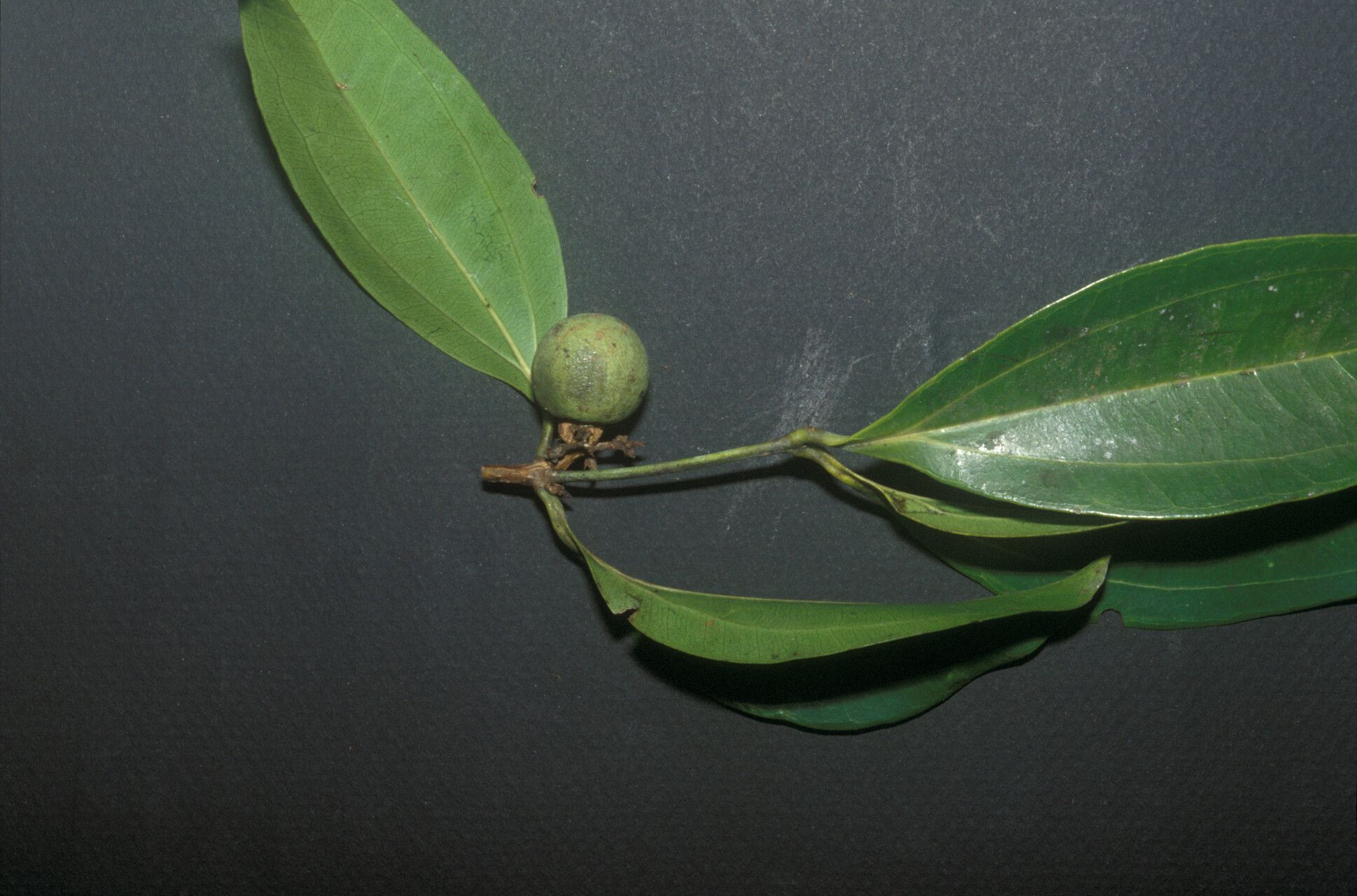
Oh, hello there! Come on in, grab a mug. I see you’ve got that spark for a new gardening adventure. Today, we’re delving into the wonderful world of propagating Strychnos cayennensis. This vine, with its gorgeous glossy leaves and the promise of beautiful blooms, is truly a conversational piece in any garden. And the satisfaction of coaxing new life from a piece of your existing plant? There’s nothing quite like it. Now, I’ll be honest, Strychnos cayennensis isn’t the absolute easiest plant to get going from cuttings, but with a little patience and the right approach, I know you can do it.
The Best Time to Start
For the highest chance of success, aim to take your cuttings in late spring or early summer. This is when the plant is actively growing and has plenty of energy to heal and root. You want to be looking for new growth that is semi-hardwood – not the super soft, floppy tips, but not the old, woody stems either. It should be flexible enough to bend without snapping, but firm enough to hold its shape.
Supplies You’ll Need
Gathering your supplies beforehand makes the whole process so much smoother. Here’s what I always have on hand:
- Sharp Pruning Shears or a Craft Knife: Clean cuts are essential to prevent disease.
- Small Pots or a Propagation Tray: About 4-inch pots are usually perfect.
- Well-Draining Potting Mix: I often use a 50/50 blend of perlite and seed-starting mix. Some gardeners swear by horticultural charcoal mixed in, too, for its anti-fungal properties.
- Rooting Hormone: This is a real game-changer for Strychnos cayennensis. A powder or gel will work.
- Plastic Bags or a Propagation Dome: To create a humid environment.
- Dibber or Pencil: To make a hole in the soil for the cutting.
- Watering Can with a Fine Rose: For gentle watering.
- Labels and a Marker: So you don’t forget what you planted where!
Propagation Methods: Stem Cuttings
This is my go-to method for Strychnos cayennensis. It’s straightforward and usually yields the best results.
- Select Your Cuttings: Find a healthy, vigorous stem on your mature plant. Look for that semi-hardwood growth I mentioned. Your cutting should be about 4 to 6 inches long.
- Make the Cut: Using your sharp pruning shears or knife, make a clean cut just below a leaf node. A leaf node is where a leaf attaches to the stem; this is where the magic of root formation often happens.
- Prepare the Cutting: Gently remove the lower leaves from the cutting, leaving just the top two or three leaves. If the remaining leaves are very large, you can carefully cut them in half horizontally to reduce moisture loss through transpiration.
- Apply Rooting Hormone: Dip the cut end of the stem into your rooting hormone, ensuring it’s coated. Tap off any excess.
- Plant Your Cuttings: Fill your chosen pots with your well-draining potting mix. Use a dibber or pencil to make a hole in the center of the soil. Carefully insert the cut end of your cutting into the hole, ensuring the rooting hormone stays in place. Gently firm the soil around the stem.
- Water Gently: Water the soil thoroughly but gently using your watering can. You want the soil to be moist but not waterlogged.
- Create Humidity: Now comes the crucial part for getting roots to form. Tuck each pot into a clear plastic bag, or place them under a propagation dome. Make sure the leaves don’t touch the plastic bag. You can use stakes to prop up the bag if needed. This creates a mini-greenhouse effect, keeping the humidity high.
- Place in Bright, Indirect Light: Find a warm spot that receives bright, indirect light. Avoid direct sun, which can scorch the tender cuttings.
The “Secret Sauce”
Now for a few little tricks I’ve picked up over the years. These aren’t strictly necessary, but they can really give your cuttings a boost.
- Bottom Heat is Your Friend: If you have a heat mat designed for seedlings, place your pots on it. Even a little warmth from below can significantly speed up root development. I find it makes a huge difference, especially in cooler periods.
- Don’t Be Afraid to Mist (Sparingly!): While the plastic bag or dome creates general humidity, you can give the leaves a very light misting with water every few days. The key is “light” – you don’t want water sitting on the leaves for too long, which can lead to problems.
- Fresh Water for Water Propagation (If You Try It): While cuttings, I generally stick to soil. However, if you’re inclined to try water propagation with a few, change the water every other day. Stagnant water breeds bacteria that can kill your cutting before roots even form. And, yes, ensure those leaves stay high and dry above the water line!
Aftercare & Troubleshooting
Once you start seeing signs of new growth – tiny new leaves unfurling or little roots peeking through the drainage holes – your cutting has successfully rooted!
- Acclimate Gradually: Slowly remove the plastic bag or dome over a week or two. Start by taking it off for an hour or two each day, gradually increasing the time. This helps the young plant adjust to the drier air.
- Water Consistently: Keep the soil evenly moist but not soggy. It’s better to water thoroughly less often than to keep it consistently damp.
- Fertilize Lightly: Once you’ve repotted into a slightly larger container, you can start feeding with a diluted liquid fertilizer once a month during the growing season.
Now, what if things go wrong? Don’t despair! It happens to all of us.
- Wilting and Drooping: This is often a sign of too little water, too much direct sun, or root rot. Check the soil moisture first. If it’s dry, water thoroughly. If it’s soggy and the stem feels mushy, it’s likely rot, and unfortunately, that cutting might be a goner.
- Yellowing Leaves: This can indicate too much water, poor drainage, or a lack of nutrients. Again, check the soil moisture. If it’s constantly wet, ease up. If you’ve had it in the same soil for a while and it’s consistently yellowing, it might be hungry, but rule out overwatering first!
- No Rooting After Weeks: Sometimes, they just take their sweet time! Don’t give up too soon. However, if after 6-8 weeks you see absolutely no signs of life, it’s likely the cutting didn’t take. Don’t beat yourself up; learn from it and try again!
A Warm Encouragement
Gardening is a journey, and propagating plants is part of that beautiful dance. You’re not just growing plants; you’re fostering life. So, be patient with your Strychnos cayennensis cuttings. Celebrate the small victories, learn from the setbacks, and most importantly, enjoy the process. You’ve got this! Happy propagating!
Resource: