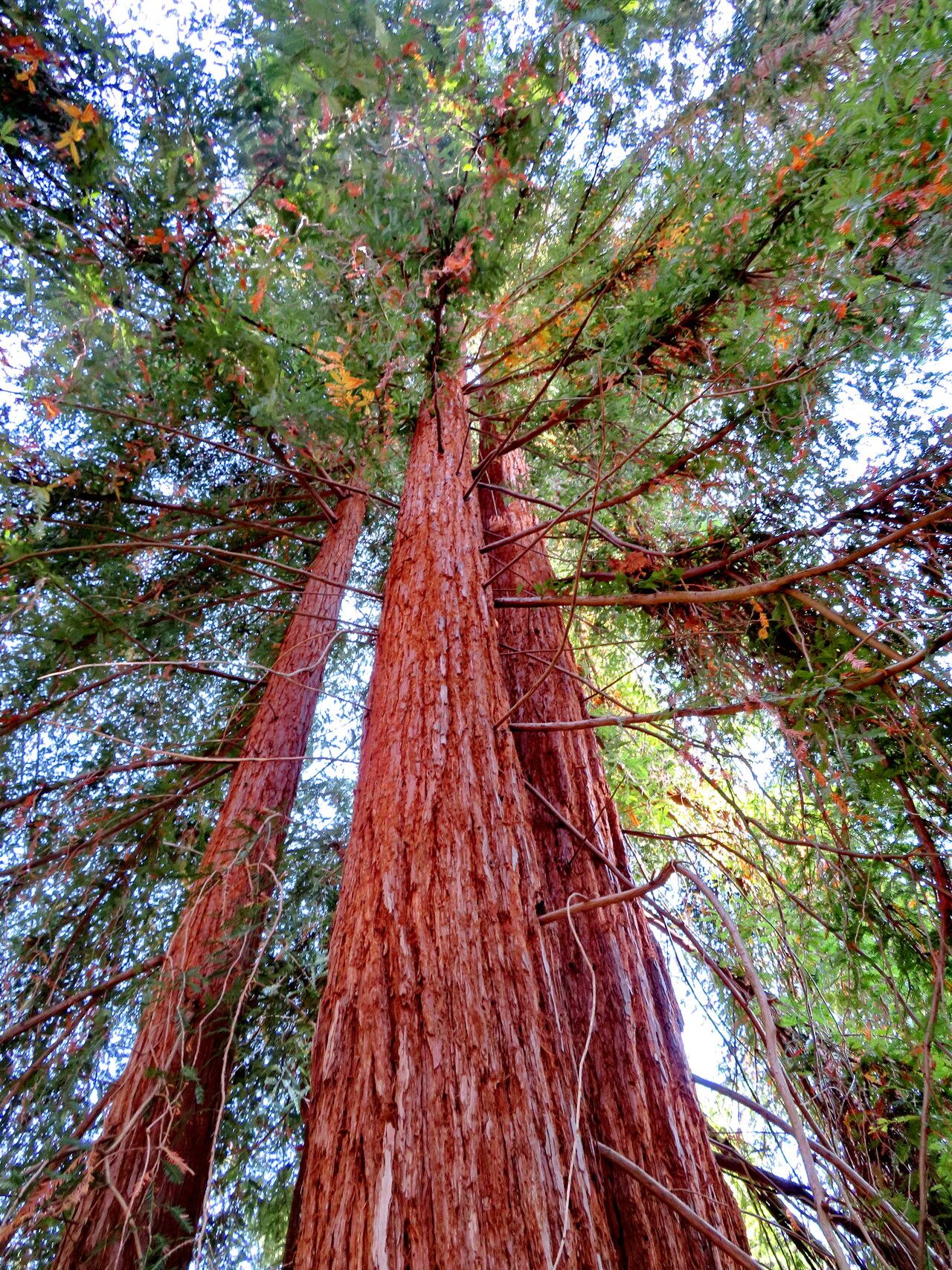
Oh, hello there! It’s so lovely to have you virtually join me for a chat about one of my absolute favorite trees: the Redwood, or Sequoia sempervirens. Just thinking about them makes me feel a sense of calm and wonder. These magnificent giants, with their deeply furrowed bark and reaching branches, are living history. And the idea of growing one, or perhaps several, from scratch? That’s a truly special kind of magic.
Now, about whether it’s easy for beginners? Let’s be honest, propagating Redwoods isn’t quite as straightforward as popping a begonia leaf into water. It requires a bit more intention and patience. But that’s exactly what makes it so rewarding! Watching a tiny cutting transform into a future titan is an incredible journey. Don’t let that deter you; with a little guidance, it’s absolutely achievable.
The Best Time to Start
When it comes to getting the best strike rate with Sequoia sempervirens cuttings, late spring through early summer is generally your sweet spot. This is when the plant is actively growing, and these new, semi-hardwood shoots have the energy to push out roots. You’re looking for stems that are no longer bright green and floppy, but have a bit of firmness to them, yet they’re not fully woody and stiff. Think of it as the “just right” stage.
Supplies You’ll Need
Before we get our hands dirty, let’s make sure we have everything ready. Having your supplies at the ready makes the whole process so much smoother.
- Sharp Pruning Shears or a Clean Knife: For making clean cuts.
- Rooting Hormone: A little boost never hurts! I prefer a gel or powder.
- A well-draining potting mix: A good blend is about 50% perlite and 50% peat moss or coco coir. Some growers like to add a bit of sand too.
- Small Pots or Trays: With drainage holes, of course!
- Clear Plastic Bags or a Propagation Dome: To create a humid environment.
- Horticultural Charcoal (optional): To help keep the soil fresh.
- Watering Can with a fine rose head: For gentle watering.
Propagation Methods
While Redwoods can technically be grown from seed, propagating from cuttings is far more common and generally leads to a plant that’s truer to the parent.
Stem Cuttings: My Go-To Method
This is usually the most successful approach for Sequoia sempervirens.
- Take Your Cuttings: In the late spring or early summer, select healthy branches. You want shoots that are about 4 to 6 inches long. Make your cut just below a leaf node (where the leaves grow from the stem). It’s best to take more cuttings than you think you’ll need, as not all of them will take.
- Prepare the Cuttings: Gently remove the lower leaves from the bottom inch or two of the cutting. You want a clean stem to insert into the soil.
- Apply Rooting Hormone: Dip the cut end of the stem into your rooting hormone, tapping off any excess. This stuff really helps give your cuttings that extra push to form roots.
- Plant the Cuttings: Fill your pots or trays with your well-draining mix. Make a small hole with a pencil or your finger and gently insert the prepared cutting. Firm the soil around the base.
- Create a Humid Environment: Water the soil gently. Then, cover the pots with clear plastic bags, making sure the leaves don’t touch the plastic, or place them under a propagation dome. This traps the moisture and keeps the humidity high, which is crucial for cuttings.
Water Propagation (Use with Caution for Redwoods)
While I personally find stem cuttings to be more reliable, some folks do have success with water.
- Prepare the Cuttings: Follow steps 1 and 2 above.
- Place in Water: Put the cuttings in a clean jar or vase with clean, fresh water. Ensure that no leaves are submerged below the water line. Leaves that sit in water will rot.
- Change Water Regularly: You’ll need to change the water every couple of days to keep it fresh and prevent bacteria buildup.
- Be Patient: It can take some time for roots to appear. Once they are about an inch long, you’ll want to pot them up into soil as soon as possible to encourage stronger root development. Water roots are different from soil roots, and transitioning can be tricky.
The “Secret Sauce” (Pro Tips)
Here are a few little tricks I’ve learned over the years that can really give your Redwood cuttings an edge:
- Bottom Heat is Your Friend: Redwoods love a bit of warmth from below. Placing your pots on a heat mat designed for seedlings can significantly speed up root formation. It mimics the warmth of spring soil.
- Don’t Overwater, But Keep Them Moist: This is a delicate balance. The soil should never be soggy, but it needs to remain consistently moist – like a wrung-out sponge. If you’re using the plastic bag method, check the condensation on the bag; if it’s dripping heavily, you might have too much moisture in the pot. If there’s no condensation, it might be too dry.
- Firm and Gentle: When you’re planting your cuttings, press the soil firm enough so the cutting stands upright and has good contact with the soil, but avoid compacting it so much that air and water can’t move. Gentle pressure is key.
Aftercare & Troubleshooting
Once you see signs of new growth, or even better, feel a gentle tug when you lightly pull on a cutting (a sign of roots!), you’ve achieved a major victory!
- Acclimatize Gradually: If you’ve been using a plastic bag or dome, slowly introduce your new plants to drier air over a week or two. Open the bag a little more each day.
- Continue Gentle Watering: Keep the soil moist but not waterlogged.
- Provide Bright, Indirect Light: Avoid direct sun, especially for young, tender plants.
- Troubleshooting Rot: The most common issue you’ll encounter is rot. This usually happens from overwatering or poor drainage. If a cutting turns black and mushy, it’s best to discard it to prevent it from affecting others. Ensure your soil mix is excellent and that your pots drain well.
A Encouraging Closing
So there you have it! Propagating Redwoods is a journey that requires a touch of patience and a lot of observation. Don’t be discouraged if your first few attempts aren’t perfect. Every gardener has lost a cutting or two (or ten!). The real joy is in the process, in learning from your plants, and in the possibility of nurturing one of nature’s grandest beings right from your own garden. Be patient, keep trying, and happy growing!
Resource:
https://identify.plantnet.org/k-world-flora/species/Sequoia%20sempervirens%20(D.Don)%20Endl./data