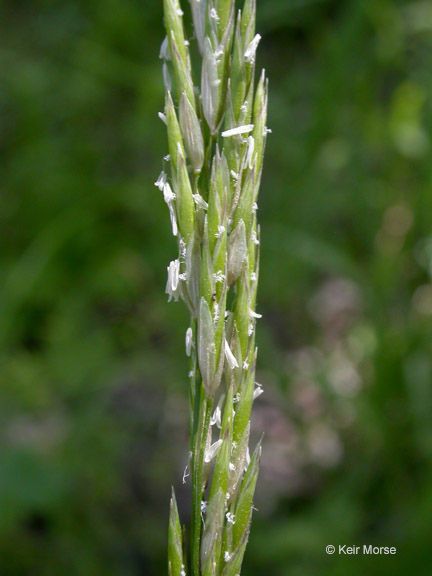
Oh, hello there! It’s so lovely to have you join me in the garden today. We’re going to chat about a truly delightful grass: Melica subulata, or Alpine Onion Grass. I’ve been growing this beauty for years, and its delicate, arching stems and subtle oniony scent brings such a quiet elegance to any space. Plus, the way it catches the light is just magical.
Propagating Melica subulata is a really rewarding endeavor. It’s a way to multiply that charm without having to buy more, and honestly, there’s a special kind of satisfaction in nurturing a brand-new life from a piece of an existing one. For beginners, I’d say it’s moderately easy. It’s not fussy, but like most plants, it appreciates a little know-how.
The Best Time to Start
The sweet spot for propagating Melica subulata is generally in late spring or early summer. This is when the plant is actively growing and has plenty of energy to put into developing new roots. You’ll want to look for healthy, established clumps that are sending up new shoots.
Supplies You’ll Need
Here’s what you’ll want to have on hand:
- Clean, sharp pruning shears or a knife: For making clean cuts.
- Small pots or seed trays: With good drainage holes, of course!
- A well-draining potting mix: I like a blend of peat moss, perlite, and a bit of compost. Some folks also use a mix specifically for grasses.
- Rooting hormone (optional but helpful): Especially if you’re aiming for quicker results.
- Watering can or spray bottle: For gentle hydration.
- Labels and a marker: To keep track of what you’ve planted and when.
- A seedling heat mat (optional): For an extra boost.
Propagation Methods
For Melica subulata, division is your absolute best friend. This grass grows in clumps, and dividing those clumps is the most straightforward way to get new plants.
Here’s how I do it:
- Dig it up: Gently excavate the entire plant using your trowel. Try to lift it with as much of the root ball intact as possible.
- Clean the roots: Carefully brush away some of the excess soil from the roots. This helps you see where the natural divisions are.
- Divide the clump: This is the fun part! You can use your hands to gently pull the root ball apart. If it’s a bit stubborn, don’t be afraid to use your clean pruning shears or knife to cut through thicker rhizomes. You’re looking for sections that have both roots and healthy shoots.
- Pot them up: Fill your small pots with your prepared potting mix. Make a little well in the center for each division.
- Plant your divisions: Place each division into a pot, ensuring the roots are spread out. Backfill with soil, firming gently around the base. The top of the roots should be just at the soil surface, or very slightly covered.
The “Secret Sauce” (Pro Tips)
Now, for a couple of little tricks I’ve learned over the years:
- Don’t overwater the divisions immediately. After planting, give them a good drink, but then let the soil surface dry out slightly between waterings. This encourages the roots to search for moisture, which is key to establishing a strong root system.
- Give them a little comfort: If your home is a bit on the cool side, or you want to speed things up, placing your newly potted divisions on a seedling heat mat can make a world of difference. It mimics those cozy early spring soil temperatures and really encourages root development. Just make sure it’s not too hot – you want warmth, not a bake!
Aftercare & Troubleshooting
Once your divisions are potted, place them in a bright, indirect light location. Avoid harsh, direct sun, as this can scorch their delicate new growth. Water them when the top inch of soil feels dry. You’ll know they’re settling in and starting to grow when you see new shoots emerging from the center of the divisions.
The main thing to watch out for is rot. If the leaves start to turn yellow and mushy, and the soil stays consistently soggy, you might be overwatering. Ensure your pots have good drainage and adjust your watering schedule. If you see any leaves that look truly sad and beyond saving, just snip them off to allow the plant to focus its energy.
A Encouraging Closing
Propagating plants like Melica subulata is all about patience and observation. Don’t get discouraged if a few don’t take – it happens to us all! Enjoy the process, celebrate the successes, and before you know it, you’ll have more of this lovely grass to share or plant around your own garden. Happy growing!
Resource:
https://identify.plantnet.org/k-world-flora/species/Melica%20subulata%20(Griseb.)%20Scribn./data