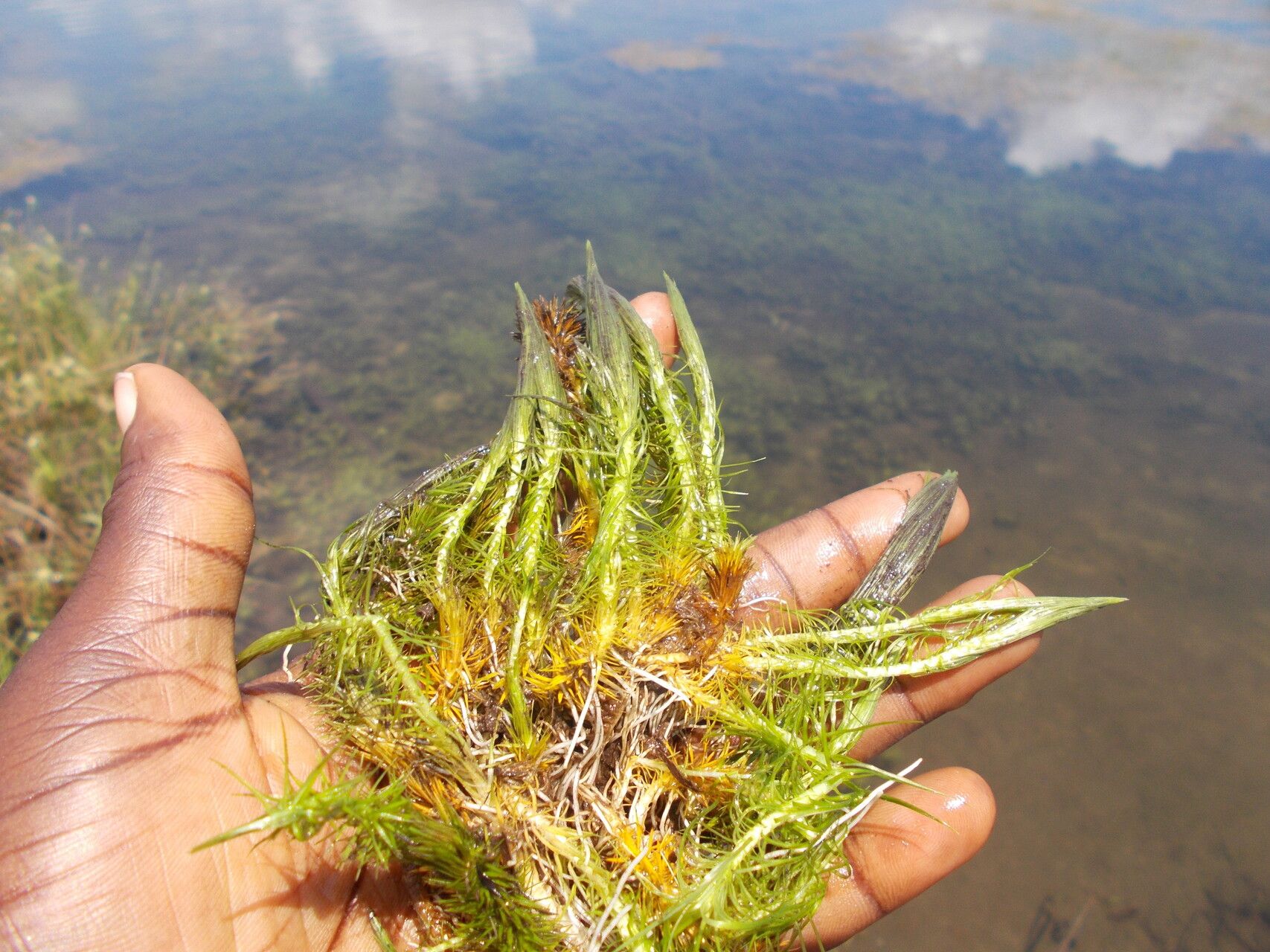
Oh, hello there! It’s so lovely to have you stop by. Today, we’re diving into the wonderfully rewarding world of propagating Mayaca baumii. If you’re looking for a delicate, grassy touch in your aquarium or terrarium, this plant is an absolute gem. Its slender stems and fine foliage create a beautiful, natural look, and trust me, watching a tiny cutting transform into a thriving plant is one of gardening’s greatest joys.
Now, I know some propagation techniques can feel a bit daunting, especially if you’re just starting out. But with Mayaca baumii, I’m happy to report that it’s quite forgiving! You’ll find it’s a wonderful plant to practice your propagation skills on.
The Best Time to Start
For the absolute best results, aim to propagate your Mayaca baumii when it’s actively growing. This usually means during the spring and summer months. You can often get away with it in early fall, but growth tends to slow down then. Look for healthy, vibrant stems that are putting out new shoots. Avoid propagating from a plant that looks stressed or is struggling.
Supplies You’ll Need
Gathering your tools beforehand makes the whole process so much smoother. Here’s what you’ll want to have on hand:
- Sharp, clean pruning shears or scissors: Cleanliness is key to preventing disease.
- A shallow tray or container: For water propagation or holding cuttings.
- Aquarium water or dechlorinated water: Especially important if your plant is in an aquarium.
- Optional: Rooting hormone: While not always necessary for Mayaca baumii, it can sometimes give an extra boost.
- Optional: Small pots or containers: If you plan to pot up your rooted cuttings.
- Optional: Fine-grit substrate (like sand or specialized aquatic plant substrate): If you’re using a substrate-based method for rooting.
Propagation Methods
Mayaca baumii is delightfully easy to propagate, and while there are a few ways, I find these two to be the most reliable:
Stem Cuttings in Water
This is, hands down, my favorite and the most foolproof method for Mayaca baumii.
- Select your cuttings: Gently locate a healthy stem. You’re looking for pieces that are at least 3-4 inches long.
- Make the cut: Using your clean shears, make a clean cut just below a node. A node is where a leaf emerges from the stem. This is where new roots will most readily form. Remove any lower leaves that would be submerged in water.
- Place in water: Fill a clean shallow tray or glass with your aquarium or dechlorinated water. Place the cuttings into the water, ensuring that no leaves are touching the water’s surface. This is super important to prevent rot.
- Find a good spot: Place the container in a brightly lit spot, but avoid direct, harsh sunlight. An east-facing windowsill is often perfect.
- Change the water: Every few days, change out the water to keep it fresh.
- Watch for roots: Within a week or two, you should start to see tiny white roots emerging from the nodes.
Stem Cuttings in Substrate
If you prefer to skip the water phase, you can go straight to planting.
- Prepare your substrate: Use a well-draining, fine-grit substrate. This could be aquarium sand or a specialized aquatic plant substrate. Moisten it thoroughly but ensure it’s not waterlogged.
- Take your cuttings: Follow the same steps as above for selecting and cutting your stems, removing lower leaves.
- Plant the cuttings: Gently push the cut end of each stem into the moist substrate. Make sure at least one or two nodes are buried.
- Maintain moisture: Keep the substrate consistently moist. You can even place the pots in a shallow tray of water to help with this.
- Provide humidity: Covering the container with a clear plastic lid or bag can create a humid environment, which is beneficial.
- Wait for roots: It may take a bit longer to see new growth than with water propagation, but be patient!
The “Secret Sauce” (Pro Tips)
After years of pottering about, I’ve picked up a few little tricks that can really make a difference.
- Don’t overcrowd: When you’re doing water propagation, give those baby plants some breathing room. If they’re all crammed together, it reduces air circulation and can invite problems. Space them out nicely in your tray.
- Consider a weak liquid fertilizer: Once you see substantial root growth, you can add a tiny amount of a very weak liquid fertilizer to the water. Think a drop or two for a whole tray. Over-fertilizing is a surefire way to stunt or kill them at this delicate stage.
- Patience is truly a virtue: Mayaca baumii isn’t the fastest grower, even when happy. Don’t despair if you don’t see rapid development. Trust the process, and give it time.
Aftercare & Troubleshooting
Once those glorious little roots have developed (about an inch or so long), it’s time to move them to their permanent home.
If you propagated in water, you can either continue to grow them in water or gently transplant them into your substrate. If transplanting, be very careful not to damage the new roots. Press the substrate gently around the base of the plant to anchor it.
If you propagated directly in substrate, you’ll see new shoots emerging from the top, which is your signal that roots have formed underneath.
Now, common troubleshooting:
- Wilting: This can happen if the plant is drying out or if it’s shocked by the move. Ensure consistent moisture.
- Rotting stems or leaves: This is usually a sign of too much stagnant water or lack of air circulation. Make sure leaves aren’t submerged and change water regularly. If a stem rots, unfortunately, it’s best to discard it and try again.
A Encouraging Closing
Seeing those tiny roots unfurl is such a thrill, isn’t it? Propagating Mayaca baumii is a beautiful way to multiply your green treasures and share the joy of gardening. Be patient with your new little charges, provide them with consistent care, and before you know it, you’ll have a lush display to enjoy. Happy propagating!
Resource:
https://identify.plantnet.org/k-world-flora/species/Mayaca%20baumii%20Gürke/data