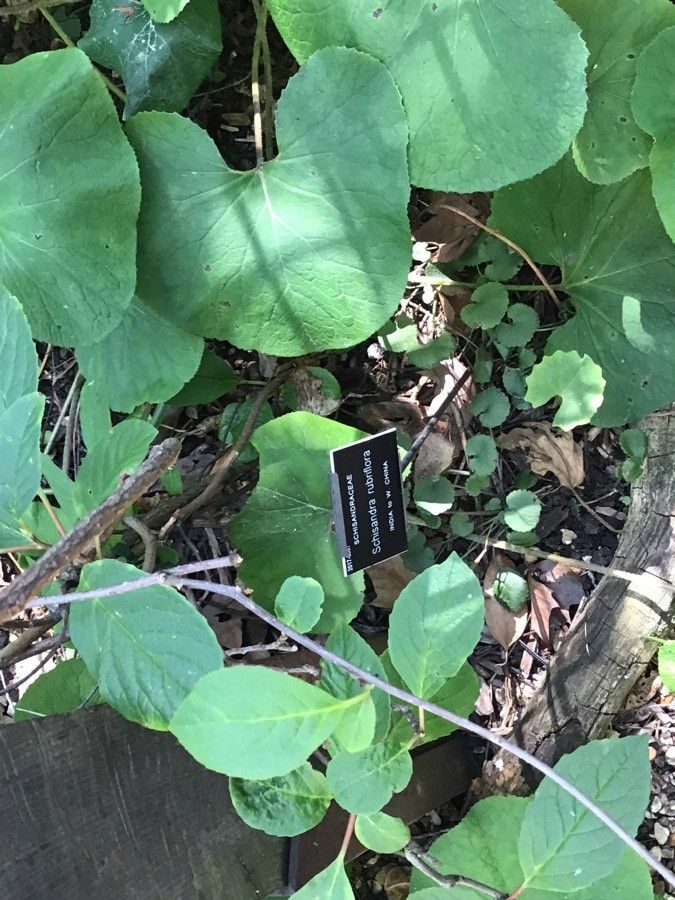
Hey there, fellow plant enthusiasts! It’s good to be back in the garden with you all. Today, we’re diving into something really special: Schisandra rubriflora. You know, the one with those stunning, crimson, pendulous flowers that look like little jewels hanging from the vine? It’s a real showstopper, especially for us gardeners who love a bit of unique beauty.
Propagating Schisandra rubriflora is incredibly rewarding. There’s a special kind of joy in watching a tiny sliver of a plant transform into something that will one day grace your garden. For those of you just starting out with propagation, I’d say Schisandra rubriflora might be a medium-challenge plant. It’s not as foolproof as, say, a geranium, but with a little care and attention, you can absolutely be successful. Don’t let that deter you; it’s a fantastic learning experience!
The Best Time to Start
I’ve found the sweet spot for propagating Schisandra rubriflora is late spring to early summer, just as the plant is in its active growing phase. You’ll be looking for new, semi-hardened growth. Think of stems that have flushed green but still have a bit of flexibility to them—not brand new, bright green shoots that are still too soft, and definitely not old, woody growth. This is when the plant has the most vigor and is best equipped to put energy into forming roots.
Supplies You’ll Need
Before we get our hands dirty, let’s gather our tools:
- Sharp pruning shears or secateurs: Cleanliness is key here to prevent disease.
- Rooting hormone (powder or gel): This really gives your cuttings a helpful boost.
- Potting mix: A good quality, well-draining seed-starting mix or a blend of peat moss and perlite (about 50/50) works beautifully.
- Small pots or trays: Clean pots with drainage holes are essential.
- Plastic bag or propagator: To create a humid environment.
- Dibber or pencil: For making holes in the soil.
- Watering can or mister: For gentle watering.
Propagation Methods
While Schisandra rubriflora can be a bit fussier than some, I’ve had the best luck with stem cuttings. Division is possible, but it’s best done when you’re transplanting or moving the main plant, and it can be a bit more disruptive.
Stem Cuttings:
- Select your cuttings: From your healthy Schisandra vine, choose stems that are about 4-6 inches long and have at least two or three sets of leaves. As I mentioned, look for that semi-hardened growth.
- Make the cut: Using your clean, sharp shears, take your cuttings. Make a clean cut just below a node (where a leaf attaches to the stem). This is where new roots are most likely to form.
- Prepare the cutting: Gently remove the lower leaves, leaving just the top set or two. This helps the cutting to focus its energy on rooting rather than supporting a lot of foliage. If the remaining leaves are very large, you can cut them in half to reduce water loss.
- Dip in rooting hormone: Moisten the cut end of the stem and dip it into your rooting hormone. Tap off any excess.
- Plant your cuttings: Fill your small pots with your prepared potting mix. Use your dibber or pencil to make a hole in the center. Gently insert the cutting into the hole, ensuring the node where you removed the leaves is buried in the soil. Firm the soil gently around the stem.
- Water and cover: Water the pot thoroughly but gently. Then, cover the pot with a plastic bag or place it in a propagator to maintain high humidity. You can use stakes to keep the bag from touching the leaves.
- Provide warmth: Place your pots in a bright location but out of direct sunlight. Bottom heat from a heat mat can significantly speed up root formation if you have one.
The “Secret Sauce” (Pro Tips)
Here are a couple of things I’ve learned over the years that make a real difference:
- Don’t let the leaves touch the water: When you water your cuttings, make sure the leaves aren’t sitting in any standing water. This might sound obvious, but even a bit of moisture trapped between leaves can lead to rot, and nobody wants a soggy cutting!
- Bottom heat is your best friend: If you can provide a gentle, consistent bottom heat (around 70-75°F or 21-24°C), your Schisandra cuttings will be much happier and root considerably faster. It mimics ideal soil conditions for developing roots.
- Patience with the ‘snap test’: Don’t be tempted to tug on your cuttings too early to check for roots. Instead, when you think they’ve had enough time (give it at least 4-6 weeks), give the stem a very gentle tug. If you feel a slight resistance, you’ve got roots! If it pulls out easily, it hasn’t rooted yet.
Aftercare & Troubleshooting
Once those roots start to appear and you feel that gentle resistance when you tug, it’s time for a little adjustment. Gradually acclimate your new cuttings to lower humidity by opening the plastic bag a little more each day over a week. Once they are fully out of the bag, continue to keep them in bright, indirect light and water when the top inch of soil feels dry.
The most common issue you might encounter is rot. If you see stems turning mushy or black, it’s usually a sign of too much moisture and not enough air circulation. Ensure your mix drains well and you aren’t overwatering. If a cutting shows signs of rot, it’s usually best to discard it to prevent it from spreading. Yellowing leaves can sometimes mean they are getting too much direct sun, so try to move them to a shadier spot.
A Encouraging Closing
Propagating Schisandra rubriflora is a journey, and like all good journeys, it requires a bit of patience and a lot of observation. Don’t be discouraged if not every cutting makes it; think of it as a learning opportunity. Celebrate the successes, learn from the challenges, and most importantly, enjoy the process of nurturing new life from your existing plants. Happy propagating!
Resource: