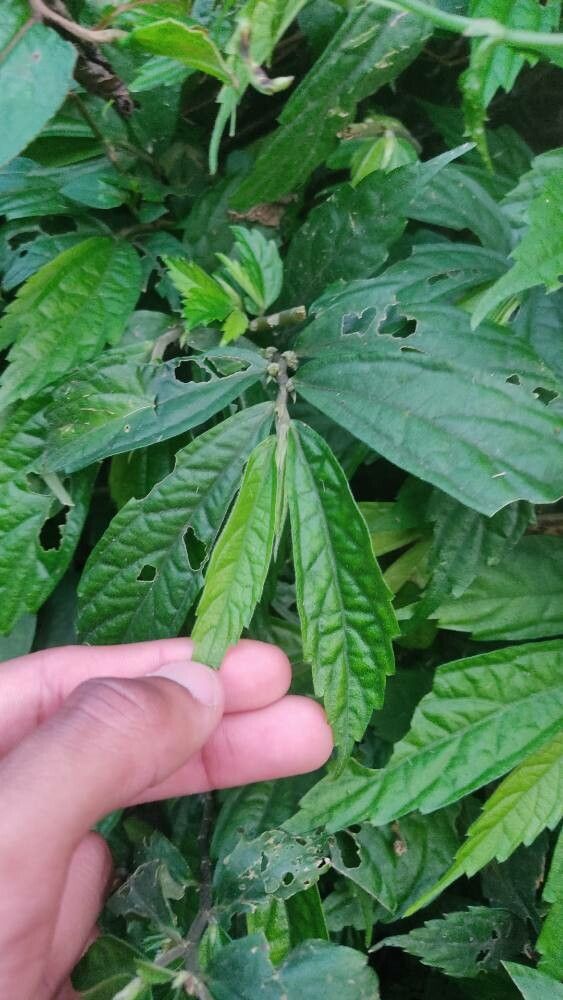
Oh, hello there! Come on in, pull up a chair. I’ve got a fresh pot of coffee brewing, and I’m so excited to chat with you about one of my absolute favorite plants: Elatostema cyrtandrifolium, or as I affectionately call it, the “Leafy Lace.”
This charming plant, with its delicate, crinkly foliage that has a wonderful texture, brings a touch of the tropics right into our homes. If you’ve ever admired its elegance and thought, “I wish I had more of those!”, then you’re in luck. Propagating Elatostema cyrtandrifolium is surprisingly rewarding. And for those of you just dipping your toes into the world of plant propagation, I’m happy to report that this beauty is quite agreeable. While a little attention to detail is always helpful, it’s a fantastic plant for beginners looking to expand their indoor jungle.
The Best Time to Start
My usual advice is to propagate when a plant is actively growing, and Elatostema cyrtandrifolium is no different. Spring and early summer are generally your prime windows. When the days are getting longer and the plant is putting out fresh, vibrant growth, it has the energy to dedicate to forming new roots. I avoid propagating in the deepest, darkest days of winter when my plants are taking a well-deserved rest.
Supplies You’ll Need
Here’s what I like to have on hand before I start:
- Clean, sharp pruning shears or a sharp knife: For taking clean cuts.
- Rooting hormone (optional but recommended): A powder or gel to give your cuttings a little boost.
- Well-draining potting mix: A good blend is typically peat moss (or coco coir) mixed with perlite or vermiculite. My go-to is about a 50/50 ratio.
- Small pots or propagation trays: Clean ones are crucial to prevent disease.
- Plastic bags or a clear plastic dome: To create a humid environment.
- Watering can or spray bottle: For gentle watering.
Propagation Methods
Elatostema cyrtandrifolium is wonderfully amenable to a couple of common propagation techniques. I find stem cuttings to be the most reliable and straightforward.
Stem Cuttings:
- Select your parent plant: Look for healthy, vigorous stems that aren’t flowering.
- Take your cuttings: Using your sharp shears or knife, make a cut just below a leaf node. A leaf node is where a leaf attaches to the stem. You want cuttings that are about 4-6 inches long. Remove the lower leaves, leaving just a couple at the very top.
- Apply rooting hormone (if using): Dip the cut end into the rooting hormone, tapping off any excess.
- Plant your cuttings: Fill your small pots with your prepared potting mix. Make a hole with your finger or a pencil, and gently insert the cut end of the stem into the soil. Firm the soil gently around the stem.
- Create humidity: Water the soil lightly, and then cover the pot with a clear plastic bag, securing it with a rubber band. Alternatively, use a clear plastic dome. This creates a mini-greenhouse effect.
- Placement: Place the pots in a bright spot out of direct sunlight. Too much sun will scorch those delicate new leaves. Keep the soil consistently moist but not waterlogged.
Water Propagation (for the impatient among us!):
If you’re eager to see root development, you can try water propagation.
- Prepare your cuttings: Follow steps 1 and 2 from the stem cutting method.
- Place in water: Put your cuttings in a jar or glass of water. Make sure that no leaves are submerged in the water. Only the stem should be in contact with the water.
- Change the water regularly: Change the water every few days to keep it fresh and prevent bacterial growth.
- Watch for roots: You should start to see tiny white roots emerging from the leaf nodes in a few weeks.
- Planting: Once the roots are about an inch long, you can carefully transplant your cuttings into the well-draining potting mix.
The “Secret Sauce” (Pro Tips)
Here are a couple of things I’ve learned over the years that can make a big difference:
- Don’t be afraid to go a little deeper with your cuttings. When you’re taking stem cuttings, don’t just grab a tiny tip. Aim for a section of stem with at least two, preferably three, leaf nodes. This gives you more surface area for root development and a better chance of success.
- Bottom heat is your friend. If you have the space and a heating mat designed for plant propagation, using it can really speed up root formation. Many plants, including Elatostema, absolutely love a bit of gentle warmth emanating from below. It mimics the warmth of the soil in their natural environment.
Aftercare & Troubleshooting
Once you start to see new growth emerging from your cuttings – usually small leaves or a thicker stem – that’s a good sign that roots have formed!
- Acclimatize: Slowly start to introduce your new plants to less humid conditions. For cuttings in bags, gradually open them up over a few days.
- Watering: Continue to keep the soil consistently moist, but still avoid overwatering. As the plant matures, you can ease into a regular watering schedule, allowing the top inch of soil to dry out between waterings.
- Signs of trouble: The most common issue is rot. If your cuttings turn mushy and black, or the leaves start to yellow and drop rapidly, it’s usually a sign of too much moisture or not enough air circulation. Ensure your potting mix is draining well and that you’re not drowning your cuttings. If you see any signs of rot, remove the affected cutting immediately to prevent it from spreading.
A Little Patience Goes a Long Way
Propagating plants is such a wonderful way to connect with nature and to keep those plants you love coming back year after year, or even just to share with friends. Be patient with your Elatostema cyrtandrifolium cuttings. Some will take off faster than others, and that’s perfectly okay. Enjoy the process, celebrate the small wins, and before you know it, you’ll have a beautiful little collection of Leafy Lace! Happy propagating!
Resource: