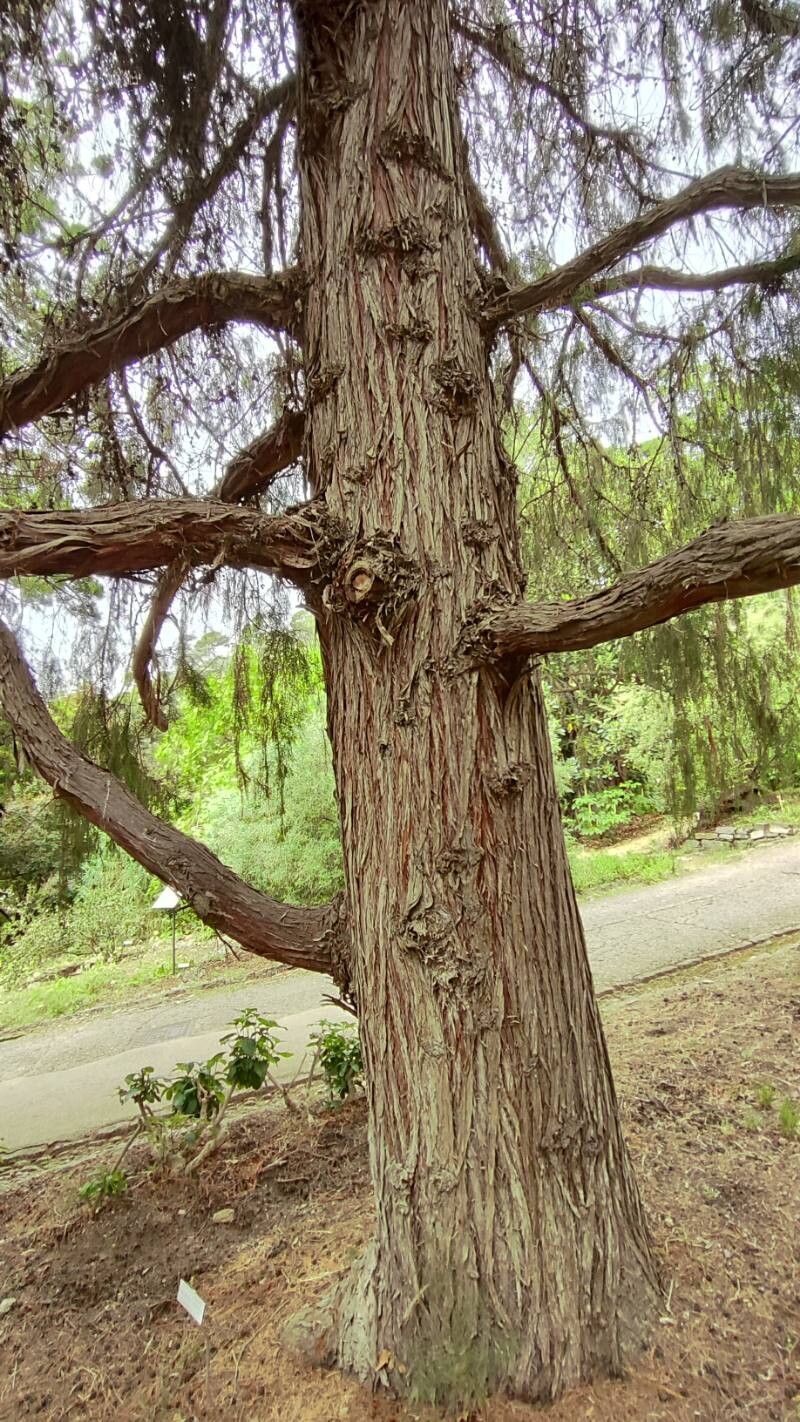
Hey there, fellow garden enthusiasts! It’s so lovely to have you join me today. We’re going to talk about a magnificent tree that brings such elegance and structure to any landscape: the Himalayan Cypress, or Cupressus torulosa. I’ve spent years admiring its graceful, often conical form and the subtle, gorgeous green hues of its foliage. If you’ve been eyeing one too, or perhaps have a mature specimen that’s making you want more, you’re in for a treat. Propagating this beauty is surprisingly rewarding, and while it’s not the absolute easiest plant for a complete beginner, with a little careful attention, you can absolutely succeed. Think of it as your next exciting gardening adventure!
The Best Time to Start
For the highest success rate with Cupressus torulosa, timing is key. I’ve found that late spring to early summer is your absolute sweet spot. This is when the plant is actively growing and has plenty of energy to put into rooting. You’ll want to take cuttings from the current season’s growth – these are called semi-hardwood cuttings. They’re not too soft and floppy, but not fully mature and woody either. It’s a Goldilocks-like situation, really.
Supplies You’ll Need
Gathering your supplies before you begin makes the whole process so much smoother. Here’s what I always have on hand:
- Sharp Pruning Shears or Knife: Cleanliness is paramount to prevent disease!
- Rooting Hormone: A powdered or gel form will work wonders to encourage root development.
- Well-Draining Potting Mix: A good blend is crucial. I often use a mix of equal parts peat moss or coco coir and perlite or coarse sand. For conifers like this, a bit of grit is really beneficial.
- Small Pots or Trays: Clean pots are a must. Small ones are perfect for starting out.
- Clear Plastic Bag or Humidity Dome: To maintain high humidity around your cuttings.
- Dibber or Pencil: For making holes in the soil.
- Watering Can or Mister: For gentle watering.
Propagation Methods: Stem Cuttings Are Your Best Bet
While you can sometimes find seeds, stem cuttings are generally the most reliable and fastest way to get new Cupressus torulosa plants. Here’s how I do it:
- Select Your Cuttings: Head out in late spring or early summer. Look for healthy, strong shoots on your parent tree. You want pieces that are about 4-6 inches long. Gently bend a shoot – if it snaps cleanly rather than just bending, that’s a good sign it’s ready.
- Make Your Cut: Using your sterilized pruning shears or knife, make a clean cut just below a leaf node (where the leaves attach to the stem).
- Prepare the Cutting: Now, gently strip off the lower foliage. You want to expose at least an inch or two of bare stem. This is where the roots will form. If there are any cones or flowers on your cutting, remove them.
- Apply Rooting Hormone: Dip the cut end of the stem into your rooting hormone. Tap off any excess. This step is a real big help in encouraging those roots to sprout.
- Plant Your Cuttings: Fill your pots with your well-draining potting mix. Use your dibber or pencil to make a hole in the soil – this prevents the rooting hormone from rubbing off. Gently insert the cutting into the hole, ensuring the leaves don’t touch the soil. Firm the soil around the stem gently.
- Water Gently: Give your cuttings a light watering. You want the soil to be moist, but not waterlogged.
- Create a Humid Environment: This is critical for cuttings, especially conifers. Cover the pots with a clear plastic bag, securing it around the rim, or use a humidity dome. If you’re using a bag, poke a few small holes in it to allow for some air circulation. I like to place these pots in a bright spot, but out of direct, harsh sunlight.
The “Secret Sauce” (Pro Tips)
After years of trials and errors (and believe me, there have been a few!), I’ve picked up a few tricks that really make a difference:
- Bottom Heat is Your Friend: While not strictly essential, placing your potted cuttings on a gentle heat mat (the kind used for seedlings) can dramatically speed up root formation. It mimics the warmth of summer soil and really encourages those roots to get going. Just make sure the mat isn’t too hot – you don’t want to cook those delicate cuttings!
- Don’t Over-Water, But Don’t Let Them Dry Out: This is a constant balancing act! Check the moisture levels regularly. The soil should feel consistently moist, like a wrung-out sponge. If the leaves start to droop, that’s a sign they’re too dry. If the soil is soggy, that’s an invitation for rot. It’s a subtle art, but you’ll get a feel for it.
- Air Circulation is Key to Preventing Rot: Even though we want to maintain high humidity, occasional airing out is vital. If your cuttings are tightly bagged, lift the bag for a few minutes each day to let fresh air in. This helps prevent fungal diseases that can quickly take hold in stagnant, humid conditions.
Aftercare & Troubleshooting
Patience is a virtue when it comes to propagation! You’ll know your cuttings have rooted when you start to see new growth emerging from the top. You can also give the cutting a very gentle tug; if it resists, that’s a good sign roots have formed.
Once you see signs of rooting, gradually acclimate your new plants to drier air. Start by lifting the plastic bag for longer periods each day. Once they’re happily growing, you can transplant them into individual, larger pots with a slightly richer, but still well-draining, potting mix. Continue to water them keeping the soil consistently moist.
The most common problem you’ll encounter is rot. If you see your cuttings turning black and mushy, it’s usually a sign of too much moisture and not enough air circulation. In this case, unfortunately, it’s best to discard them and start again, paying close attention to your watering and ventilation.
A Encouraging Closing
Growing new plants from cuttings is such a rewarding experience. It connects you deeply with the cycle of life and allows you to multiply the beauty in your garden. Don’t be discouraged if your first few attempts aren’t perfect. Every gardener has lost cuttings! Just keep learning, keep trying, and most importantly, enjoy the journey. Those little Himalayan Cypress saplings you nurture will bring you immense satisfaction for years to come. Happy propagating!
Resource:
https://identify.plantnet.org/k-world-flora/species/Cupressus%20torulosa%20D.Don%20ex%20Lamb./data