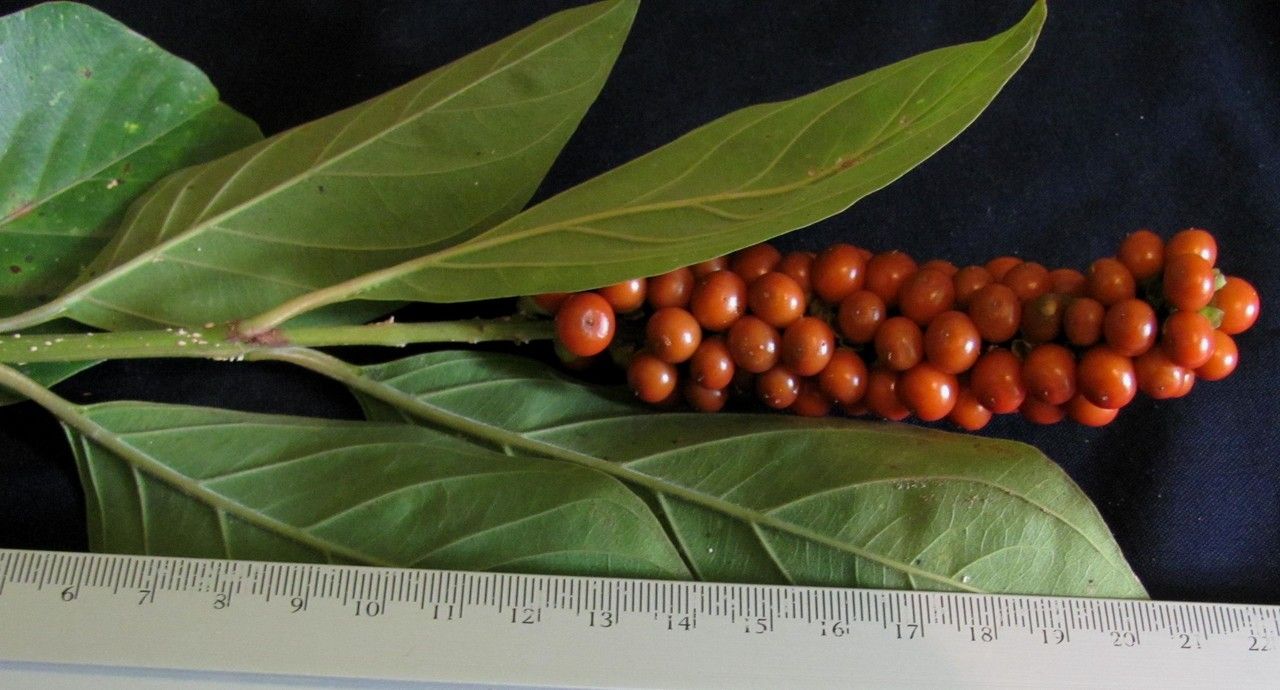
Hello there, fellow garden enthusiasts! It’s so lovely to connect with you today. I’m thrilled to talk about a plant that’s really captured my heart over the years: Citharexylum cooperi, often known as Fiddlewood. If you’re looking for a plant that brings a bit of tropical flair with its lovely, fragrant blooms and a graceful growth habit, Fiddlewood is a fantastic choice. And the joy of successfully coaxing new life from an existing plant? Well, that’s a reward like no other. For those of you just dipping your toes into the world of plant propagation, Citharexylum cooperi is moderately easy to propagate, making it a great plant to practice your skills on.
The Best Time to Start
When it comes to getting the best bang for your buck, so to speak, I find that late spring to early summer is your sweet spot for propagating Fiddlewood. This is when the plant is actively growing and has plenty of robust, yet not overly woody, stems. You’re essentially tapping into its peak energy, which really helps those cuttings get going. Look for stems that are flexible but firm – no limp, sad-looking bits, please!
Supplies You’ll Need
Here’s a little gathering of what I like to have on hand. It doesn’t have to be fancy, just functional:
- Sharp Gardening Shears or a Knife: Clean cuts are crucial!
- Rooting Hormone (Optional, but Recommended): A good one can give your cuttings a helpful boost.
- Well-Draining Potting Mix: I prefer a blend of perlite, peat moss, and a bit of compost.
- Small Pots or Trays: Clean containers are a must.
- Plastic Bags or a Propagation Dome: To create a humid environment.
- Water: For moistening the soil and, potentially, for water propagation.
Propagation Methods
Let’s get our hands dirty with how we can create more Fiddlewoods!
Stem Cuttings
This is my go-to method for Fiddlewood.
- Select Your Cuttings: Find those healthy, semi-ripe stems from your mature plant. Aim for cuttings that are about 4-6 inches long.
- Make the Cut: Using your clean shears or knife, make a clean cut just below a leaf node. This is where the plant’s magic happens for rooting.
- Prepare the Cutting: Gently remove the lower leaves, leaving just a few at the very top. This prevents them from rotting in the soil or water. If your cutting is very long, you can even trim the remaining leaves in half to reduce water loss.
- Apply Rooting Hormone (If Using): Dip the bottom inch of the cutting into your rooting hormone. Tap off any excess.
- Plant Your Cuttings: Fill your small pots with your well-draining mix, moisten it thoroughly. Make a small hole in the center with a pencil or your finger. Insert the cutting, ensuring the exposed leaf nodes are buried. Gently firm the soil around it.
- Create a Humid Environment: Water the soil lightly again. Place a plastic bag over the pot, secured with a rubber band around the rim, or use a propagation dome. This traps moisture, which is vital!
Water Propagation
For a more visual approach, you can try water propagation.
- Prepare the Cuttings: Follow steps 1-3 from the stem cutting method. You won’t need rooting hormone here.
- Place in Water: Put your cuttings in a clean jar or glass of water. Make sure no leaves are submerged – they will rot!
- Position: Place the jar in a bright spot that gets indirect light.
- Refresh Water: Change the water every few days to keep it fresh and prevent bacterial growth. You’ll start to see those little root nubs appearing soon!
The “Secret Sauce”
Here are a few little tricks I’ve picked up that can really make a difference:
- Bottom Heat is Your Friend: If you’re serious about rooting success, especially with stem cuttings, consider using a seedling heat mat under the pots. It provides gentle warmth that encourages root development.
- The “Heel” Method: Sometimes, when taking cuttings, I’ll try to get a small piece of the parent stem attached to the bottom of my cutting – some call this a “heel.” It’s believed to provide a bit more energy for rooting.
- Don’t Disturb Too Soon: Resist the urge to constantly tug at your cuttings to check for roots. With stem cuttings, wait at least 3-4 weeks before gently trying to pull on one. If there’s resistance, you’ve got roots!
Aftercare & Troubleshooting
Once your cuttings have developed a decent root system (about an inch or so long for water propagation, or when you feel that resistance with stem cuttings), it’s time to move them.
- Transplanting: For water-propagated cuttings, carefully transplant them into your well-draining potting mix as you would a fresh stem cutting. Water them in gently.
- Ongoing Care: Keep the new plants in a bright, humid location but out of direct, harsh sunlight for the first few weeks. Water them when the top inch of soil feels dry.
- Common Issues: The biggest culprit of failure is overwatering leading to rot. If your cutting turns black and mushy, it’s usually a sign of too much moisture and not enough air circulation. Another sign is wilting that doesn’t improve with watering – this can mean the cutting is dried out or just hasn’t rooted. Don’t be discouraged by a few losses; it’s part of the learning curve!
Propagating your own Fiddlewoods is such a fulfilling endeavor. It connects you deeper to your plants and a wonderful way to share your garden’s beauty with others. Be patient with your little green charges, observe their progress, and most importantly, enjoy the journey. Happy propagating!
Resource:
https://identify.plantnet.org/k-world-flora/species/Citharexylum%20cooperi%20Standl./data