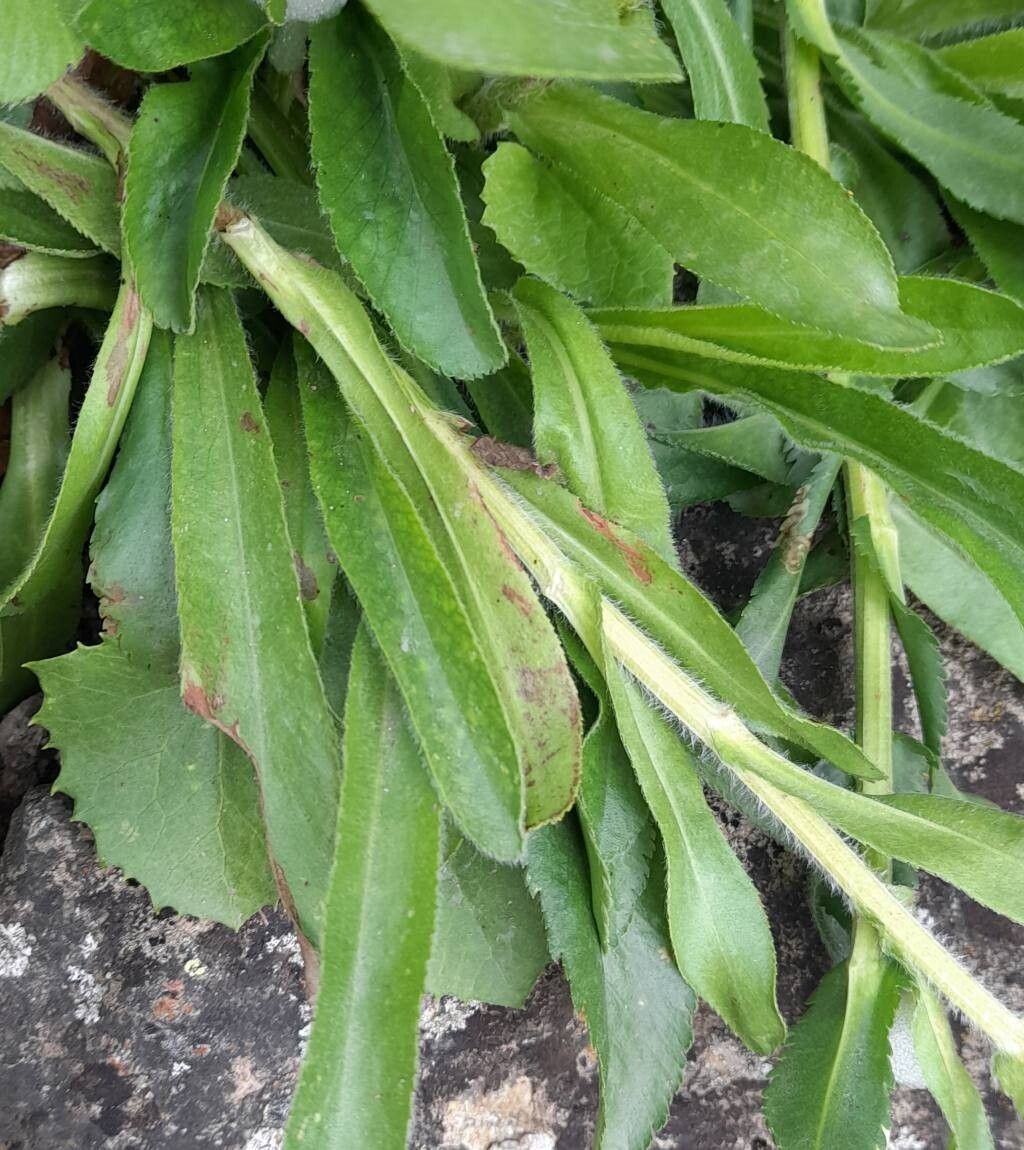
Oh, hello there! Pull up a chair, let’s chat about a plant close to my heart: Achillea lingulata, or as I affectionately call it, the elegant yarrow. If you’re drawn to the gentle sway and delicate blooms of this beauty, you’re in for a treat. Propagating it is a wonderfully rewarding endeavor, allowing you to fill your garden or share these lovely plants with friends. And the good news? For the most part, bringing more Achillea lingulata into your life is quite achievable, even for those just starting their gardening journey.
The Best Time to Start
My go-to time for propagating Achillea lingulata is late spring or early summer. This is when the plant is actively growing and has plenty of sturdy stems to work with. Waiting until after the initial flush of spring growth, when the stems are firm but not yet woody, gives you the best chance for success.
Supplies You’ll Need
Gathering your tools beforehand makes the whole process smooth sailing. Here’s what I always have on hand:
- Sharp pruning shears or a clean knife: For making precise cuts.
- Rooting hormone (optional but helpful): Look for a powder or gel specifically for stem cuttings.
- Small pots or trays: With drainage holes, of course!
- A well-draining potting mix: A mix of perlite, peat moss, and coarse sand works beautifully. Or, a commercially available seedling or cutting mix is fine.
- Watering can or spray bottle: For gentle watering.
- Clear plastic bags or a propagation dome: To maintain humidity.
Propagation Methods
Achillea lingulata is quite obliging, and two methods stand out for their ease and effectiveness.
Stem Cuttings
This is my favorite way to multiply these beauties. It’s straightforward and yields excellent results.
- Select your stems: Look for healthy, non-flowering shoots that are about 4-6 inches long. These should feel firm, not floppy or too woody.
- Make the cut: Using your sharp shears or knife, cut just below a leaf node (where a leaf attaches to the stem). This is where the magic happens, as the plant has a higher concentration of rooting hormones here.
- Prepare the cutting: Gently remove the lower leaves from the stem, leaving just a few at the top. This prevents them from rotting in the soil. If you’re using rooting hormone, dip the cut end into it now, tapping off any excess.
- Plant the cuttings: Fill your small pots with your prepared potting mix. Make a small hole with a pencil or your finger and carefully insert the cutting, ensuring the nodes that had leaves removed are buried. Gently firm the soil around the stem.
- Water and cover: Water the soil gently until it’s evenly moist but not soggy. Then, cover the pots with a clear plastic bag or a propagation dome to create a humid environment. You can secure the bag with a rubber band.
Division
If you have an established clump of Achillea lingulata, division is a wonderfully simple way to get more plants and also invigorate the parent plant.
- Prepare to dig: In early spring or fall, when the plant is dormant or just starting its active growth, dig up the entire clump.
- Gently separate: Carefully break or cut the root ball into smaller sections. Each section should have at least a few healthy roots and some leafy shoots.
- Replant: Trim any damaged roots. Then, immediately replant the divisions into prepared garden beds or pots, spacing them appropriately and watering them in well.
The “Secret Sauce” (Pro Tips)
Here are a couple of little tricks that have served me well over the years:
- Don’t let leaves touch the soil: For stem cuttings, it’s absolutely crucial that the leaves you leave on the cutting are not touching the potting mix. If they do, they’ll almost certainly rot, and that can lead to the whole cutting failing.
- Bottom warmth is your friend: While not strictly necessary, placing your pots on a gentle heat mat designed for propagation can significantly speed up root development. It mimics the warmth of spring soil and gives those roots a real encouraging push.
Aftercare & Troubleshooting
Once your cuttings have rooted, it’s time to nurture them into independent plants.
- Check for roots: After a few weeks, very gently tug on a cutting. If you feel resistance, you’ve got roots! You can also look for tiny white root tips poking through the drainage holes.
- Acclimatize gradually: Once rooted, gradually remove the plastic bag over a week or so, allowing the new plants to adjust to normal humidity levels.
- Watering: Continue to keep the soil consistently moist but not waterlogged. As the plant grows stronger, you can reduce watering.
- Signs of trouble: The most common issue is rot, which usually happens from overwatering or poor drainage. You’ll notice the cutting becoming mushy and discolored. If you see this, remove the affected cutting immediately to prevent it from spreading. Wilting without rot can sometimes indicate the cutting hasn’t rooted yet and is simply drying out, so ensure humidity is maintained.
A Little Patience Goes a Long Way
There you have it! Propagating Achillea lingulata is a journey, not a race. Sometimes success comes quickly, and other times, you’ll need to be a bit patient. Don’t get discouraged if a few don’t make it; it’s all part of the learning process. Just enjoy the quiet satisfaction of nurturing new life in your hands. Happy gardening!
Resource:
https://identify.plantnet.org/k-world-flora/species/Achillea%20lingulata%20Waldst.%20&%20Kit./data