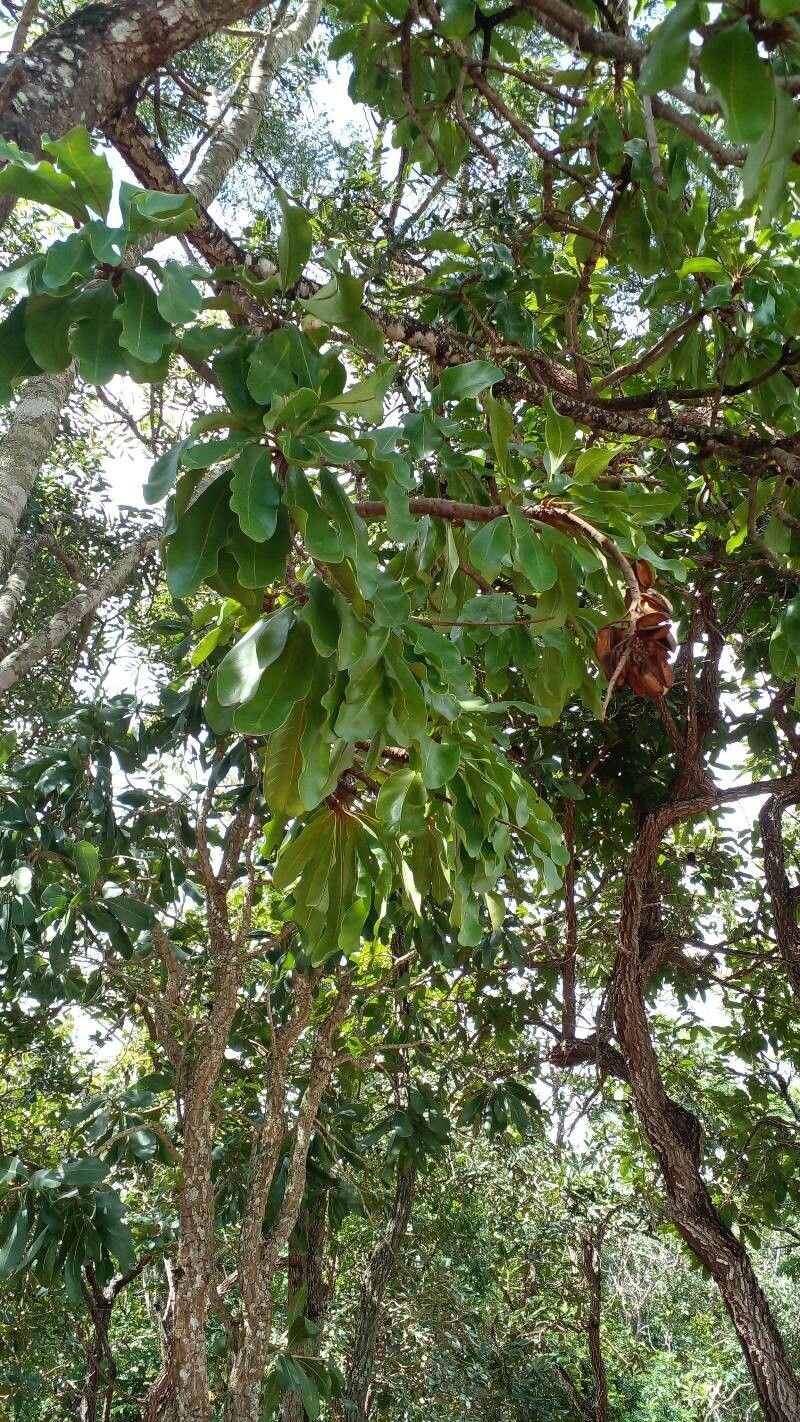
Hey there, fellow plant lovers! I’m so excited to chat with you today about a really special tree – Vochysia rufa. If you’ve ever seen one of these beauties, you know why they’re so captivating. Their vibrant, often golden-yellow flowers are a true showstopper, bringing a splash of tropical sunshine to any garden. And the idea of creating more of these treasures from a single plant? Well, that’s just pure gardening magic, isn’t it?
Now, I’ll be honest with you. Propagating Vochysia rufa isn’t quite like whipping up a batch of cuttings from a pothos. It can be a little more challenging, especially for total beginners. But don’t let that deter you! With a bit of patience, the right approach, and these tips I’m about to share, you can absolutely succeed. The reward of nurturing a new life from your existing plant is incredibly fulfilling.
The Best Time to Start
For the highest chance of success with Vochysia rufa, I always recommend spring or early summer. This is when the plant is actively growing, or just coming out of its resting phase. The new growth is more pliable and receptive to rooting. Avoid trying to propagate during the heat of high summer or the cold of winter when the plant is stressed or dormant. You want to catch it when it’s feeling energetic!
Supplies You’ll Need
Gathering your tools beforehand makes the whole process so much smoother. Here’s what I find essential:
- Sharp, clean pruning shears or a sharp knife: Sterilize them with rubbing alcohol to prevent disease.
- Rooting hormone: A powdered or gel form works well. This really gives your cuttings a boost.
- Well-draining potting mix: A good blend is crucial. I like to use a mix of perlite and peat moss or coco coir. About a 50/50 ratio is a great starting point.
- Small pots or propagation trays: Clean ones, of course! Make sure they have drainage holes.
- Clear plastic bag or propagation dome: This creates a humid environment, which is vital.
- Gloves: Always a good idea to keep your hands clean.
- Watering can or spray bottle: For gentle watering.
Propagation Methods
Vochysia rufa is most reliably propagated from stem cuttings. It’s a straightforward method if you get the conditions right.
-
Select Your Cuttings: On your healthy Vochysia rufa plant, look for semi-hardwood cuttings. These are stems that are no longer brand new and green, but not yet old and woody. They should be firm but still slightly flexible. Aim for cuttings that are about 4-6 inches long. Make sure each cutting has at least two or three leaf nodes (the points where leaves emerge from the stem).
-
Prepare the Cuttings: Using your sterilized shears or knife, take your cuttings. Remove any flowers or flower buds – these drain precious energy that the cutting needs for rooting. Also, strip off the lower leaves, leaving only two or three sets of leaves at the top. If the remaining leaves are very large, you can cut them in half to reduce water loss through transpiration.
-
Apply Rooting Hormone: Dip the cut end of each stem into your rooting hormone. Make sure the entire bottom inch or so of the cutting is coated. Gently tap off any excess.
-
Plant Your Cuttings: Fill your small pots or trays with your prepared potting mix. Poke a hole in the center of the mix with a pencil or your finger, deep enough for the cutting. Gently insert the hormone-coated end of the cutting into the hole. Firm the soil around the base of the cutting to ensure good contact.
-
Create a Humid Environment: Water the soil gently to settle it around the cuttings. Then, carefully cover the pots with a clear plastic bag, ensuring the bag doesn’t touch the leaves of the cuttings. You can use stakes or skewers to keep the bag elevated. Alternatively, use a propagation dome. Place the pots in a warm spot.
-
Provide Light and Heat: Your cuttings need bright, indirect light. Avoid direct sun, which can scorch them. If possible, use bottom heat. A heating mat placed under the propagation tray can significantly speed up the rooting process. It encourages root development from below.
The “Secret Sauce” (Pro Tips)
Here are a couple of things I’ve learned over the years that really make a difference for Vochysia:
- Don’t Let Leaves Touch the Water: If you are using water propagation (though I find stem cuttings in soil more reliable for this specific plant), make sure absolutely no leaves are submerged in the water. Any submerged foliage will rot and can take the whole cutting down with it.
- Fresh Cuttings are Key: Never let your cuttings dry out between taking them and planting them. If you can’t plant them immediately, keep them wrapped in a damp paper towel in a plastic bag. Time is of the essence!
- Patience is Your Best Friend: Vochysia rufa can be a bit slow to root. Don’t get discouraged if you don’t see roots forming for several weeks, or even a couple of months. Resist the urge to constantly pull them up and check. Trust the process!
Aftercare & Troubleshooting
Once you start to see tiny roots emerging from the drainage holes or new growth appearing at the top of the cutting, you know you’ve got a success!
- Gradual Acclimation: Begin by slowly opening the plastic bag or dome for a few minutes each day to let the new plant get used to the drier air. Gradually increase the time over a week or two until you can remove the cover entirely.
- Gentle Watering: Continue to water the new plant regularly, keeping the soil consistently moist but not waterlogged. They are still quite delicate at this stage.
- Potting Up: Once the plant has developed a good root system, you can pot it up into a slightly larger container with a good quality potting mix.
The most common sign of failure is rot. If your cuttings turn black and mushy, or if the leaves wilt and turn yellow instead of showing signs of rooting, it’s likely rot. This is often caused by too much moisture, poor drainage, or lack of airflow. If you see rot, discard the affected cuttings to prevent it from spreading.
A Little Encouragement
So there you have it! Propagating Vochysia rufa is a journey, but a truly rewarding one. Remember to be patient with your cuttings. Nature works on its own timeline, and your job is to provide the best possible conditions. Enjoy the process, learn from each attempt, and before you know it, you’ll be surrounded by your own beautiful Vochysia rufa trees! Happy gardening!
Resource:
https://identify.plantnet.org/k-world-flora/species/Vochysia%20rufa%20Mart./data