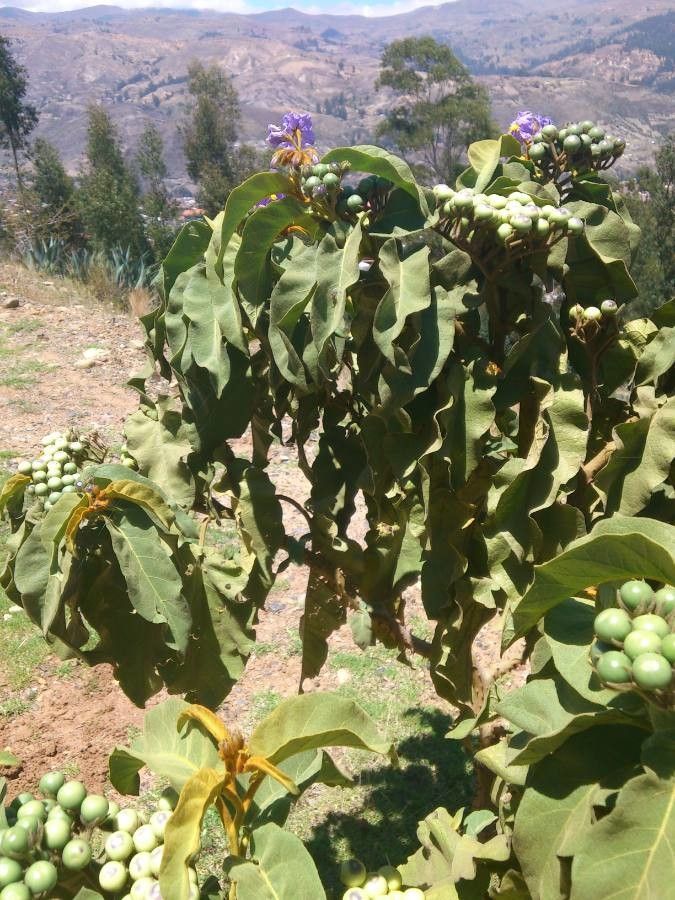
Hello there, fellow plant lovers! It’s so good to be chatting with you today. If you’ve ever admired the lush foliage and unique charm of Solanum asperolanum, you know it’s a special kind of plant. Often grown for its attractive leaves and sometimes delicate flowers, it brings a touch of the tropics to our gardens. And guess what? Propagating it is a wonderfully rewarding experience. While Solanum asperolanum isn’t the most challenging plant to multiply, it does have its preferences, so a little know-how goes a long way to ensure success. Think of it as learning a new dance with your plant – a little practice and you’ll be twirling!
The Best Time to Start
For Solanum asperolanum, spring and early summer are your golden windows. This is when the plant is actively growing, which means it’s full of vigor and ready to push out new roots. Starting from cuttings during this period gives them the best chance to establish themselves before the cooler months arrive. You’re essentially mimicking how nature does things – it’s all about that growth surge!
Supplies You’ll Need
Before we get our hands dirty, let’s gather our tools. Having everything ready makes the process so much smoother.
- Clean, sharp pruning shears or a knife: For taking nice, clean cuttings.
- Small pots or seed trays: To house your new plant babies. Make sure they have drainage holes!
- Propagation mix or a light potting soil: I like a blend of peat moss or coco coir with perlite or coarse sand. It needs to be well-draining.
- Rooting hormone (optional but recommended): A little boost can really help those cuttings take off.
- Clear plastic bags or a propagator lid: To create a humid environment.
- Watering can or spray bottle: For gentle watering.
- Labels: So you don’t forget what you planted!
Propagation Methods
Let’s get down to business! Two methods work beautifully for Solanum asperolanum: stem cuttings and water propagation.
Stem Cuttings
This is my go-to method for many plants, and Solanum asperolanum is no exception.
- Select your parent plant: Choose a healthy, vigorous specimen. Look for stems that are not too soft and new (they might rot) and not too old and woody. Semi-hardwood cuttings are often ideal.
- Take your cuttings: Using your clean shears, cut a stem that is about 4-6 inches long. Make your cut just below a leaf node (where a leaf meets the stem). This is where the magic happens for root formation.
- Prepare the cuttings: Gently remove the lower leaves from the cutting. You want to expose at least one or two leaf nodes where roots can form. You can also snip off any flower buds if present; we want all the energy to go into root development, not flowering.
- Apply rooting hormone (if using): Dip the cut end of the stem into the rooting hormone powder, tapping off any excess.
- Plant your cuttings: Fill your pots with your prepared propagation mix. Make a small hole in the center with your finger or a pencil. Insert the cut end of the stem into the hole, ensuring at least one leaf node is buried beneath the soil surface. Gently firm the soil around the stem.
- Water gently: Water thoroughly until you see water draining from the bottom of the pot.
Water Propagation
This is a classic for a reason – it’s so satisfying to watch the roots develop!
- Take your cuttings: Follow steps 1-3 from the stem cutting method.
- Place in water: Put your prepared cuttings into a clean jar or glass filled with lukewarm water.
- Positioning is key: Make sure that the leaf nodes you removed the leaves from are submerged in the water, but do not let any remaining leaves touch the water. They will rot quickly.
- Find a bright spot: Place the jar in a bright location, out of direct sunlight.
- Change the water regularly: Every few days, change the water to keep it fresh and prevent bacterial growth. You’ll be amazed at how quickly you start to see tiny white roots emerging.
The “Secret Sauce” (Pro Tips)
Here are a couple of things I’ve learned over the years that make a real difference.
- The power of humidity: For stem cuttings, after planting, I like to pop a clear plastic bag over the pot, securing it around the rim with a rubber band. This creates a miniature greenhouse effect, keeping the air around your cuttings nice and humid. Make sure to open it up for a few minutes each day for ventilation to prevent mold.
- Bottom heat for speed demons: If you’re really eager or the weather is a bit cool, placing your pots on a gentle heating mat can significantly speed up root development. It gives those roots the cozy warmth they crave to get going.
Aftercare & Troubleshooting
Once you’ve seen those lovely little roots emerge (you can gently tug on a cutting – if there’s resistance, they’re rooting!), it’s time to transition to more regular care.
- For water-propagated cuttings: Once the roots are about an inch long, carefully pot them into your well-draining potting mix. Handle them gently to avoid damaging those brand-new roots. Water lightly.
- For soil-propagated cuttings: Once the cuttings have started to show new leaf growth (a sure sign they’ve rooted!), you can treat them like a small plant. Water when the top inch of soil feels dry. Continue with the humidity dome for a week or two, gradually acclimatizing them to open air.
- Troubleshooting: The most common issue you might face is rot. This usually happens if the cuttings are too wet, the air isn’t circulating, or the water is stagnant. If you see a cutting turning black and mushy, unfortunately, it’s best to remove it to prevent it from spreading. Don’t get discouraged; sometimes it takes a few tries!
A Little Patience, A Lot of Joy
Propagating Solanum asperolanum is an exercise in patience and observation. Watch your cuttings, enjoy the process of bringing new life into your home, and celebrate every tiny root you discover. You’re nurturing something special, and that’s a truly wonderful feeling. Happy propagating!
Resource:
https://identify.plantnet.org/k-world-flora/species/Solanum%20asperolanatum%20Ruiz%20&%20Pav./data