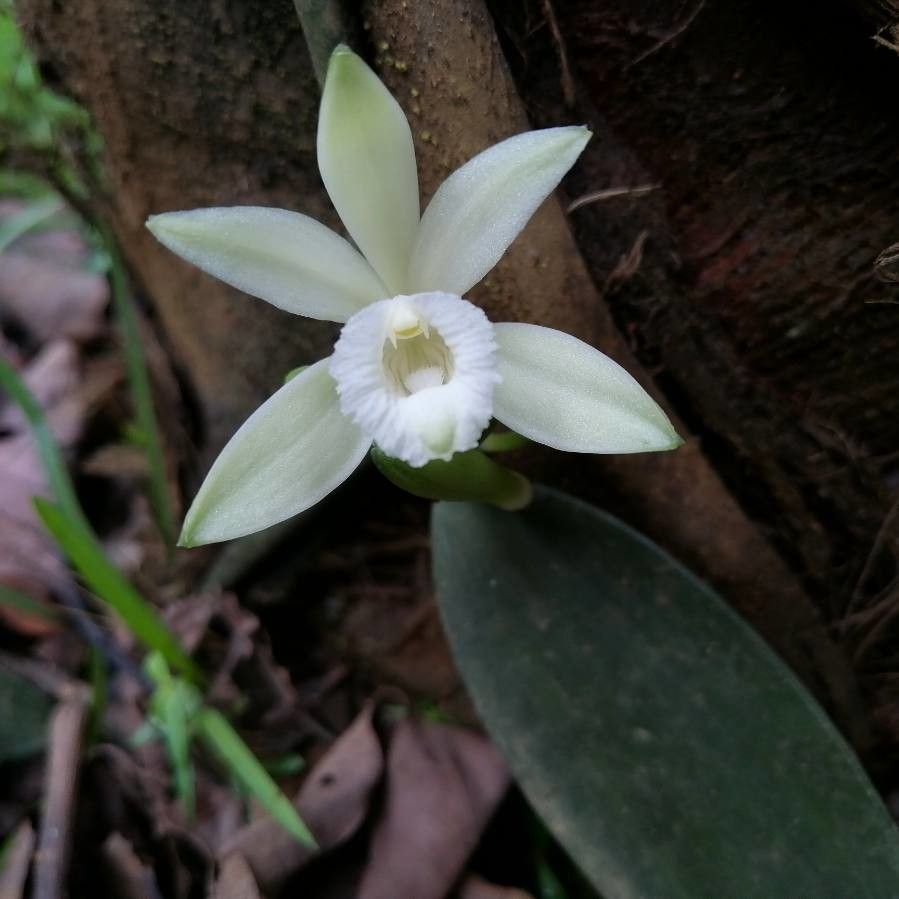
Hey there, fellow plant lovers! Let’s chat about one of my absolute favorites: Vanilla hartii. This gorgeous vine, with its lush green leaves and the promise of its exquisite vanilla scent (though actual vanilla bean production is a whole other journey!), is a real showstopper. Sharing its beauty by propagating it is incredibly satisfying. Now, I won’t lie, Vanilla hartii can be a touch more fussy than your average pothos, so for absolute beginners, it might be a bit of a learning curve. But with a little patience and these tips, you’ll be well on your way!
When to Get Your Hands Dirty
The best time to take cuttings from your Vanilla hartii is during its active growing season. Think late spring through summer. This is when the plant has plenty of energy to put into growing new roots. You’ll want to choose healthy, vigorous stems that are at least a foot long. Avoid any that are looking stressed or have yellowing leaves.
Your Propagation Toolkit
Gathering the right supplies makes all the difference. Here’s what you’ll want to have on hand:
- Sharp, sterile pruning shears or a clean knife: Essential for making clean cuts that heal well.
- A good quality potting mix: I like a blend of peat moss, perlite, and a bit of orchid bark. This provides excellent drainage, which is crucial for vanilla.
- Rooting hormone powder or gel (optional but recommended): This really gives your cuttings a boost.
- Small pots or trays: About 4-6 inches in diameter work well. Make sure they have drainage holes!
- Clear plastic bags or a propagation dome: To create a humid environment.
- Water: For watering and potentially for water propagation.
- Patience! The most important tool of all.
Bringing New Vanilla to Life
There are a couple of ways to get new Vanilla hartii plants going.
Stem Cuttings: My Go-To Method
This is my favorite approach because it’s straightforward and usually gives great results.
- Select and Cut: Choose a healthy, mature stem. Look for one with at least two to three nodes. A node is where a leaf attaches to the stem. Using your sterile shears, make a clean cut just below a node. You want your cutting to be between 6-12 inches long.
- Prepare the Cutting: Gently remove any lower leaves, especially those that might end up submerged if you’re potting directly into soil. Leaving the top one or two leaves is fine. If using rooting hormone, dip the cut end into the powder or gel, tapping off any excess.
- Planting Time: Fill your chosen pot with your prepared potting mix. Make a small hole in the center with your finger or a pencil. Gently insert the cut end of your stem cutting into the hole, ensuring at least one node is below the soil surface. Firm the soil gently around the cutting.
- Give it a Drink: Water thoroughly until water runs out of the drainage holes.
- Create Humidity: Cover the pot with a clear plastic bag, securing it loosely with a rubber band or twist tie. Alternatively, use a propagation dome. This creates that essential humid microclimate. Place it in a bright spot, but out of direct sunlight.
Water Propagation: A Sneak Peek
This method is fun because you can watch the roots develop!
- Prepare Your Cutting: Follow steps 1 and 2 from the stem cutting method, but you’ll want to make sure no leaves are touching the water.
- Into the Water: Place your prepared cutting in a clean glass or jar filled with room temperature water. Make sure at least one node is submerged.
- Placement Is Key: Set it in a bright location, away from harsh sun.
- Water Changes: Change the water every few days to keep it fresh and prevent bacterial growth.
- Watch and Wait: Within a few weeks, you should see tiny white roots emerging from the nodes. Once the roots are about 1-2 inches long, it’s time to plant it into soil (following step 3 from stem cuttings).
The “Secret Sauce” – My Insider Tips
Here are a few little things I’ve learned over the years that can really give your vanilla cuttings a leg up.
- Bottom Heat is Your Friend: If you can, place your pots on a gentle heat mat designed for seedlings. This mimics the warmth of the soil during the growing season and encourages root development much faster. Just a consistent 70-75°F is perfect.
- Don’t Over-Mist: While humidity is vital, you don’t want the leaves constantly soggy, as this can lead to fungal issues. Aim to mist the air around the plant or the inside of your humidity dome a couple of times a day, rather than spraying the leaves directly every time.
- Node Check-In: When you’re unsure about the health of a cutting, gently scratch a tiny bit of the outer layer of the stem at a node. If it’s still green underneath, it’s likely still viable and working on roots. If it’s brown and mushy, it might be time to try again.
Aftercare & What to Look For
Once your cuttings have developed a good root system (you’ll see roots emerging from the drainage holes or the plant will feel more stable when gently tugged), it’s time to move them into slightly larger pots if needed and adjust your watering.
- Watering: Water thoroughly when the top inch of soil feels dry. Avoid letting it sit in soggy soil.
- Light: Continue to provide bright, indirect light.
- Humidity: Maintain good humidity, especially in drier environments.
Troubleshooting: The most common issue new propagators face is rot. If your cutting turns mushy and black, or if you spot mold on the soil, it’s likely due to too much moisture and not enough air circulation. Don’t be disheartened! This is a learning process. Inspect the cutting; if any part looks healthy, you might be able to salvage it by cutting away the rotten bits and trying again. Yellowing leaves can sometimes indicate too much direct sun or a watering issue.
Happy Propagating!
Watching a new plant emerge from a simple cutting is one of the most rewarding experiences for a gardener. Be patient with your Vanilla hartii. It might take a few weeks, or even a couple of months, to see significant root development. Enjoy the process of nurturing these new lives, and before you know it, you’ll have your own little vanilla family! Happy gardening!
Resource:
https://identify.plantnet.org/k-world-flora/species/Vanilla%20hartii%20Rolfe/data