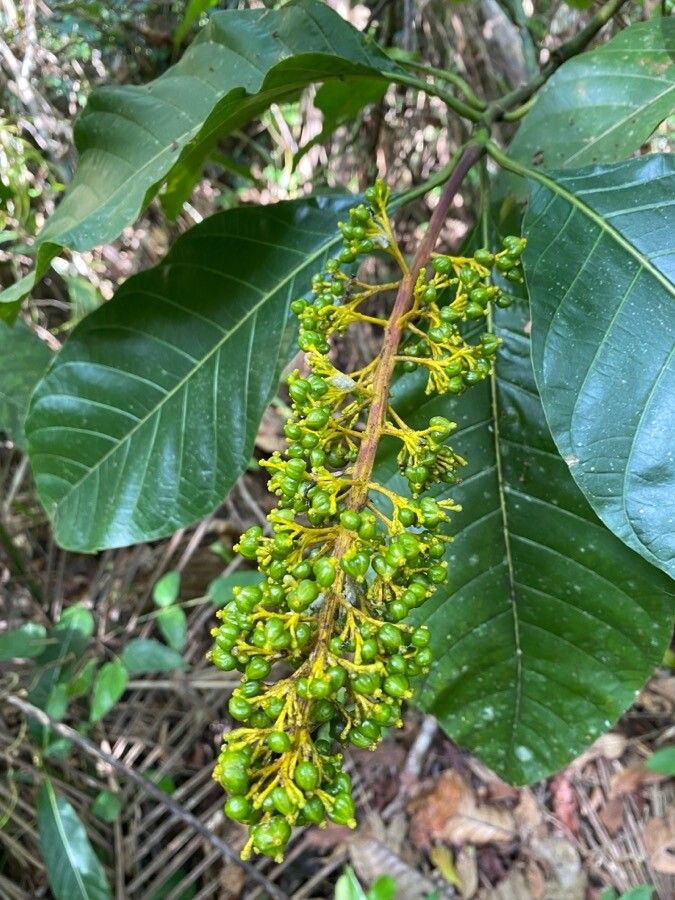
Hello, fellow garden enthusiasts! If you’ve ever admired the vibrant, almost jewel-toned blooms of Palicourea blanchetiana, you’re in for a treat, because bringing more of these beauties into your life is absolutely achievable. There’s a special kind of joy in taking a small piece of a plant you love and watching it transform into something entirely new. It feels like a little bit of magic, doesn’t it? While Palicourea blanchetiana might have a reputation for being a bit particular, with the right approach, propagating it can be a very rewarding experience, even for those who are relatively new to the plant propagation game. We’ll walk through it together.
The Best Time to Start
For the highest success rates with Palicourea blanchetiana, I always recommend starting your propagation efforts during the active growing season. Think late spring or early summer. This is when the plant has ample energy to put into developing new roots. You’re looking for stems that are mature but not woody – a bit like a firm but flexible pencil. Avoid trying to propagate from new, soft growth or very old, hard wood.
Supplies You’ll Need
To get started, you’ll want to gather a few key items:
- Sterilized pruning shears or a sharp knife: Clean tools prevent disease.
- A well-draining potting mix: I often use a blend of perlite, coarse sand, and peat moss or coco coir. Sterilizing your mix in the oven can also be a good idea.
- Rooting hormone (optional but recommended): This can give your cuttings a significant boost. Look for one with IBA.
- Small pots or propagation trays: Clean plastic pots are perfect.
- Clear plastic bags or a propagator: This helps maintain humidity around your cuttings.
- Water: For misting and, depending on the method, for rooting.
- Labels and a marker: You’ll want to know what you planted and when!
Propagation Methods
Let’s dive into the techniques that usually work best for Palicourea blanchetiana.
Stem Cuttings
This is my go-to method for Palicourea blanchetiana.
- Take your cuttings: Using your sterilized pruning shears, select a healthy stem and make a clean cut just below a leaf node. A leaf node is where a leaf attaches to the stem. You want cuttings that are about 4-6 inches long. Remove the lower leaves, leaving just a few at the top.
- Apply rooting hormone (if using): Dip the cut end of the stem into your rooting hormone powder, tapping off any excess. This stuff can be a bit dusty, so do it over a small dish.
- Plant the cuttings: Fill your small pots with your pre-moistened potting mix. Make a small hole in the center with your finger or a pencil and insert the cutting, ensuring the leaf nodes are buried. Gently firm the soil around the base.
- Create a humid environment: Water the soil lightly, making sure it’s moist but not soggy. Then, cover the pot with a clear plastic bag or place it in a propagator to trap humidity. You can prop up the bag with a small stake so it doesn’t touch the leaves.
Water Propagation (Proceed with Caution)
While some plants thrive in water, Palicourea blanchetiana can be a bit trickier with this method, as it’s prone to rot if not managed perfectly. If you do choose this route, here’s how I’d approach it:
- Prepare your cuttings: Same as above, take 4-6 inch cuttings from healthy stems, and remove the lower leaves.
- Place in water: Fill a clean jar or glass with room-temperature water. Place the cuttings in the water, making sure no leaves are submerged. This is crucial!
- Change water regularly: Change the water every 2-3 days to keep it fresh and prevent bacterial growth.
- Provide bright, indirect light: Keep the jar in a location that receives plenty of bright, indirect light.
- Transplant once roots are established: Once you see good root development (about an inch long or so), carefully transplant the cuttings into your well-draining potting mix.
The “Secret Sauce” (Pro Tips)
Here are a couple of things I’ve learned over the years that can really make a difference:
- Bottom Heat is Your Friend: For stem cuttings, placing your pots on a gentle heat mat can significantly speed up root formation. It mimics the warmer soil temperatures of spring and summer, giving those roots a real encouragement to grow. You don’t want it too hot, just warm.
- Don’t Drown Your Cuttings: This is especially important for water propagation, but it applies to soil too. Overwatering is the quickest way to kill a cutting. The soil should be consistently moist, not waterlogged. If you can squeeze water out of the soil when you grab a handful, it’s too wet.
Aftercare & Troubleshooting
Once your cuttings have developed a healthy root system, it’s time to transition them.
- Acclimatize them: Gradually introduce your rooted cuttings to drier air by opening the plastic bag or propagator for short periods, increasing the duration each day. Once they look happy and established in their pots, you can remove the cover entirely.
- Water gently: Continue to water them as you would an established plant, allowing the top inch of soil to dry out between waterings.
- Watch for rot: The most common sign of failure is rot, which looks like mushy, black stems at the soil line. This is usually a sign of too much moisture and poor air circulation. If you catch it early, you might be able to save healthy parts of the stem by taking new cuttings and improving your watering habits.
- Legginess: If your cuttings are growing tall and thin with few leaves, they might not be getting enough light. Move them to a brighter location, but still avoid direct sun which can scorch them.
A Little Patience Goes a Long Way
Bringing new life into your garden through propagation is such a rewarding journey. It takes a bit of patience and observation, but seeing those first roots emerge or those tiny leaves unfurl is incredibly satisfying. Don’t get discouraged if not every cutting makes it; nature has its own rhythm, and what matters most is enjoying the process and learning from each bit of green magic you create. Happy propagating!
Resource:
https://identify.plantnet.org/k-world-flora/species/Palicourea%20blanchetiana%20Schltdl./data