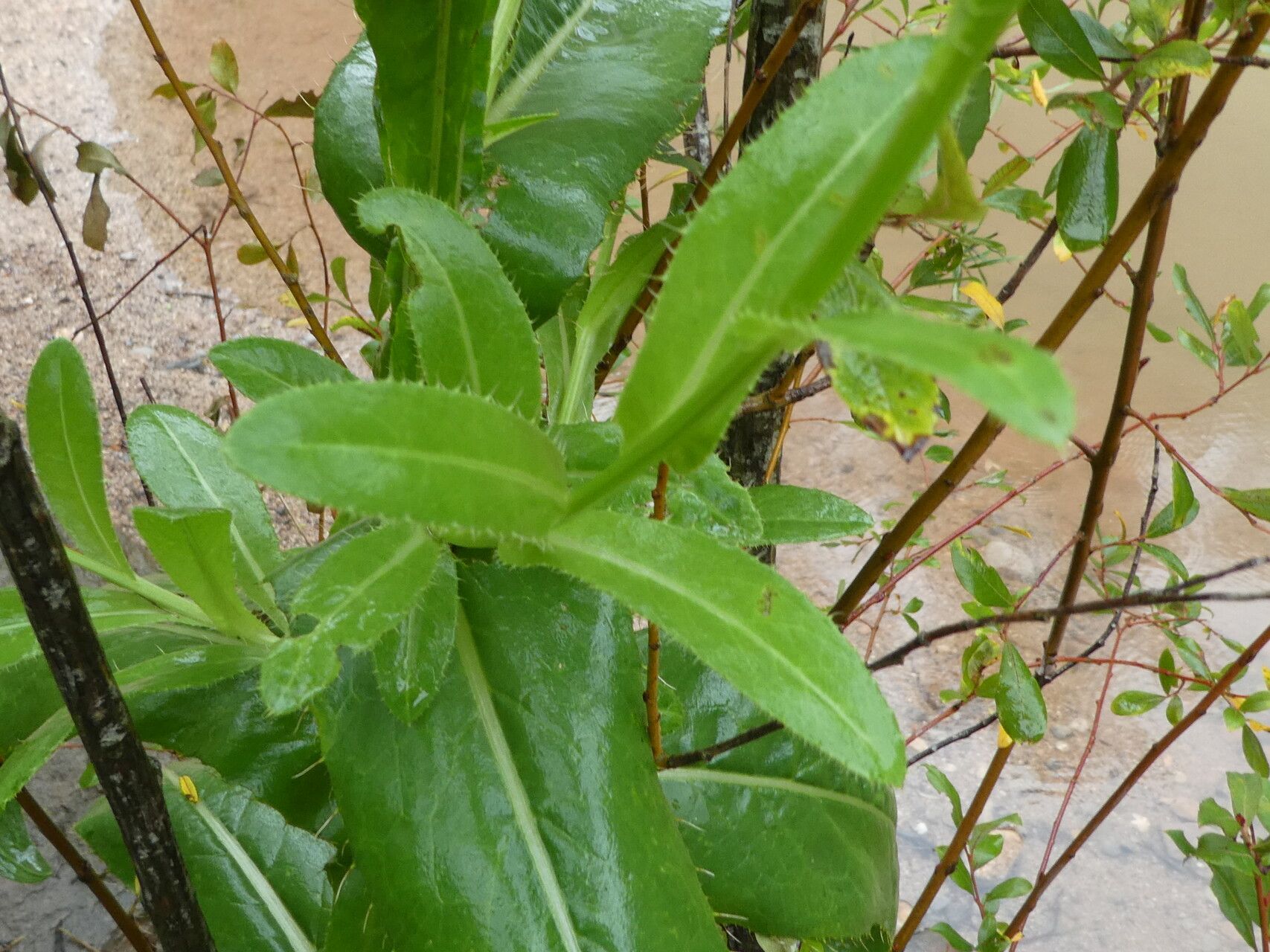
Hello there, fellow plant enthusiasts! I’m so excited to chat with you today about a real gem in the garden: Cirsium monspessulanum, or as some affectionately call it, the Montpellier Thistle. If you love a plant with architectural presence and a magnet for pollinators, you’re in for a treat. Its architectural form and the buzz of bees it attracts make it truly special. And the best part? Growing more of this beauty from your existing plants is incredibly rewarding.
Now, about whether it’s beginner-friendly… I’d say Cirsium monspessulanum falls into the moderately easy category for propagation. It’s not as foolproof as, say, a spider plant, but with a little care and attention, you’ll have a great success rate. Think of it as a gentle nudge in the right direction, rather than a forceful shove!
The Best Time to Start
For the highest chance of success, I always recommend propagating Cirsium monspessulanum in late spring to early summer. This is when the plant is actively growing and has plenty of energy to put into developing new roots. Look for stems that are firm but not yet woody. You want that perfect, pliant stage that snaps cleanly when bent.
Supplies You’ll Need
Gathering your tools beforehand makes the whole process smooth sailing. You’ll want:
- Sharp pruning shears or a clean knife: For making precise cuts.
- Rooting hormone (optional but recommended): This little helper gives your cuttings a boost.
- Well-draining potting mix: A good quality seed starting mix or a blend of peat moss, perlite, and a touch of compost works wonderfully.
- Small pots or trays: Clean and with good drainage holes.
- Watering can or spray bottle: For gentle watering.
- Plastic bags or a propagator: To maintain humidity around your cuttings.
- Labels: So you don’t forget what you planted where!
Propagation Methods
Cirsium monspessulanum can be propagated through a few methods, but I find stem cuttings to be the most reliable and rewarding.
Stem Cuttings:
- Take Your Cuttings: In late spring or early summer, select healthy, non-flowering stems from your established plant. Using your sharp shears, cut pieces that are about 4-6 inches long. Make your cut just below a leaf node (where a leaf emerges from the stem).
- Prepare the Cuttings: Gently remove the lower leaves from the bottom half of the cutting. You only want a few leaves left at the top to help with photosynthesis. If you have larger leaves, I’ll often cut them in half to reduce water loss.
- Apply Rooting Hormone (Optional): Dip the cut end of each stem into your rooting hormone powder or gel, tapping off any excess. This step is like giving your cutting a little “insurance policy” for root development.
- Plant the Cuttings: Fill your small pots or trays with your well-draining potting mix. Make a small hole in the center of each pot with your finger or a pencil. Insert the cut end of the stem into the hole, making sure the leaf nodes are buried in the soil. Gently firm the soil around the cutting.
- Water Gently: Water the soil thoroughly but gently. You don’t want to wash away the rooting hormone or dislodge the cutting.
- Create a Humid Environment: Cover the pots with a plastic bag, creating a mini-greenhouse. Make sure the leaves don’t touch the plastic if possible. Alternatively, place the pots inside a propagator.
The “Secret Sauce” (Pro Tips)
Here are a few things I’ve learned over the years that can really make a difference:
- Bottom Heat is Your Friend: If you can, place your pots on a propagator mat or a warm windowsill. This gentle warmth from below encourages root growth much faster than just ambient room temperature. It’s like a cozy warm bed for your little cuttings!
- Don’t Overwater, Ever! This is probably the most common mistake. Soggy soil is a breeding ground for rot. Let the top inch of soil dry out slightly between waterings. When in doubt, it’s better to err on the side of slightly too dry than too wet.
- Fresh Cuttings, Fresh Start: Always use freshly taken cuttings. Don’t leave them lying around after you’ve cut them. Get them into the soil and their humid environment as quickly as possible to minimize stress.
Aftercare & Troubleshooting
Once your cuttings are planted, place them in a bright spot but out of direct, harsh sunlight, as this can scorch the delicate leaves. Keep an eye on the humidity. If you see condensation on the plastic, it’s good! If not, a light misting might be needed.
You’ll know your cuttings have rooted when you see new leaf growth appearing at the top, or when you can gently tug on the cutting and feel resistance. This usually takes anywhere from 3-6 weeks, sometimes longer.
The most common sign of failure is rot. If your cuttings turn black and mushy at the base, or start to wilt significantly without perking up after watering, it’s a sign they’ve rotted. This is usually due to too much moisture in the soil. Unfortunately, there’s not much you can do once rot sets in.
Once roots have formed and you see good growth, you can gradually acclimatize your new plants to less humid conditions by opening the plastic bag or propagator bit by bit over a week. Then, you can transplant them into their own individual pots, using a slightly richer potting mix.
A Encouraging Closing
Propagating plants is such a wonderful way to connect with nature and expand your garden without spending a fortune. Be patient with your Cirsium monspessulanum cuttings. Some might take a little longer than others, and that’s perfectly okay. Celebrate each success, and don’t be discouraged by any failures – they are simply learning opportunities! Happy propagating, and may your garden overflow with beautiful thistles!
Resource:
https://identify.plantnet.org/k-world-flora/species/Cirsium%20monspessulanum%20(L.)%20Hill./data