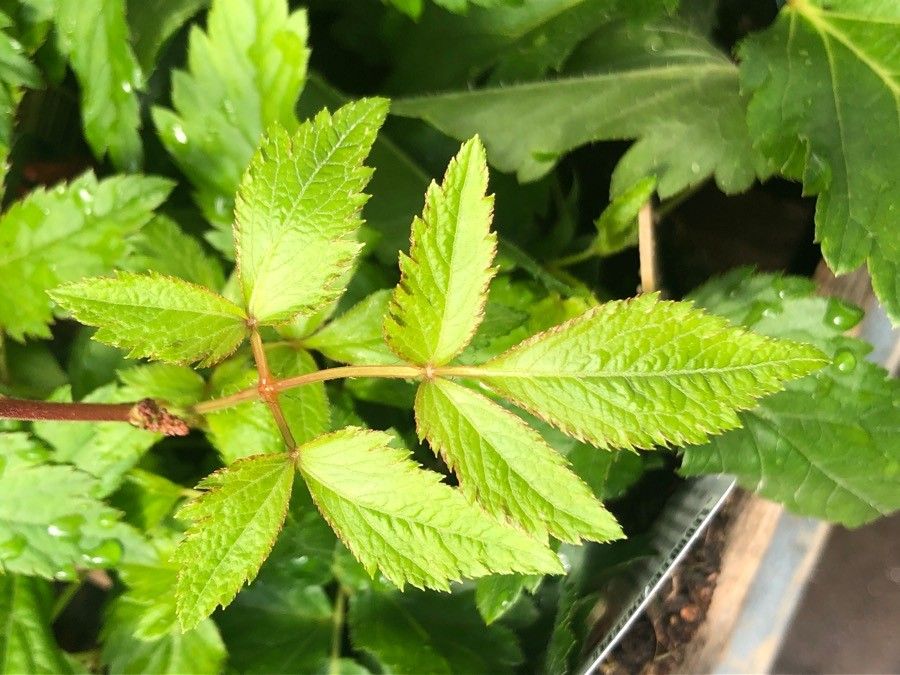
Oh, Astilbe thunbergii! Those feathery plumes are just delightful, aren’t they? I remember the first time I saw a mass of them nodding in the breeze, a truly magical sight. If you’ve fallen in love with these beauties like I have, you’ll be pleased to know that propagating them yourself is a wonderfully rewarding endeavor. And guess what? It’s not as tricky as you might think. Even if you’re new to the gardening game, with a little patience, you can absolutely do this!
The Best Time to Start
For Astilbe thunbergii, the absolute sweet spot for propagation is early spring. Think of it as the plant waking up from its winter slumber. That’s when the energy is just starting to surge, making it ripe for giving it a little nudge to create new life. You can also have success with division later in the fall, after the foliage has started to die back, but spring offers the best chance for robust new growth right out of the gate.
Supplies You’ll Need
Gathering your tools before you begin makes everything so much smoother, just like having your ingredients ready before you bake. You won’t need much:
- Sharp, clean pruning shears or a knife: For making clean cuts.
- Rooting hormone (optional but helpful for cuttings): Look for a powder or gel.
- Pots or containers with drainage holes: Small ones are perfect for starting out.
- A good quality potting mix: I like to use a blend that’s well-draining. A mix of peat moss and perlite or vermiculite works wonderfully.
- A watering can or spray bottle: For gentle watering.
- Labels: So you don’t forget what you’ve planted!
- A warm place: This could be a sunny windowsill or a propagation mat.
Propagation Methods
Astilbe thunbergii is primarily propagated through division, which is my go-to method, though stem cuttings can also work.
1. Division (The Most Reliable Way)
This is the easiest and most successful method for Astilbe. It’s basically like giving your plant a little haircut and a chance to spread its wings.
- Step 1: Dig it Up. In early spring, gently dig up your Astilbe plant. You want to get as much of the root system as possible without causing too much damage. A garden fork can be helpful here.
- Step 2: Clean the Roots. Gently shake off excess soil from the root ball. You’ll want to be able to see the individual growth points or crowns of the plant.
- Step 3: Divide the Plant. Using your hands, a trowel, or even your clean pruning shears, carefully separate the root ball into smaller sections. Each section should have at least one healthy eye or growing point and a good amount of root. Don’t force it; if it’s resistant, try a different angle.
- Step 4: Replant. Plant your new divisions immediately into prepared pots or back into their original garden spot. Make sure the crowns are just at or slightly below the soil surface. Water them in well.
2. Stem Cuttings (A Bit More Advanced)
While division is my preferred method, you can try stem cuttings for more plants. This takes more patience, but it’s satisfying when it works!
- Step 1: Take Cuttings. In late spring or early summer, select healthy, non-flowering stems. Cut sections about 4-6 inches long, just below a leaf node. Remove the lower leaves, leaving only the top few.
- Step 2: Rooting Hormone. Dip the cut end of each stem into rooting hormone. Tap off any excess.
- Step 3: Plant the Cuttings. Insert the treated stems into pots filled with your well-draining potting mix. They should be snug, with the nodes where you removed leaves buried in the soil.
- Step 4: Provide Humidity. Gently mist the cuttings and cover the pot with a clear plastic bag or place it in a propagator. This will help maintain humidity, which is crucial. Keep them in bright, indirect light.
The “Secret Sauce” (Pro Tips)
These are the little tricks that make a big difference:
- Don’t be afraid of damaging the roots during division. Astilbe are surprisingly resilient. As long as you’re reasonably gentle and replant promptly, they bounce back beautifully.
- For stem cuttings, bottom heat is your best friend. Placing your pots on a heated propagation mat will significantly speed up root development. It mimics the warmth of the soil in spring and gives those roots a real boost.
- When dividing, always look for fresh, healthy growth points. These are usually at the edges of the plant where the new shoots emerge. Old, woody centers are less likely to sprout new roots.
Aftercare & Troubleshooting
Once your divisions or cuttings have taken root (you’ll see new growth emerging!), they’re ready for a little extra TLC.
- Watering: Keep the soil consistently moist but not waterlogged. Overwatering is the quickest way to invite rot, a common problem with propagated plants.
- Light: Continue to provide bright, indirect light. Gradually acclimate them to more direct sun as they get stronger.
- Transplanting: Once your new plants are a good size (a few sets of true leaves for cuttings, or showing robust growth for divisions), you can transplant them into larger pots or their permanent garden home.
The main thing to watch out for is rot. If your cuttings droop and turn mushy, or if division sections look slimy and dark, it’s usually a sign of too much moisture and not enough air circulation. You might need to repot, ensure better drainage, or reduce watering. Don’t get discouraged if a few don’t make it; that’s just part of the learning curve!
A Encouraging Closing
Gardening is all about patience and observation. Propagating new Astilbe plants is a wonderful way to fill your garden with more of these lovely blooms or to share them with friends. Trust your instincts, enjoy the process, and celebrate every little green shoot you see! Happy propagating!
Resource: