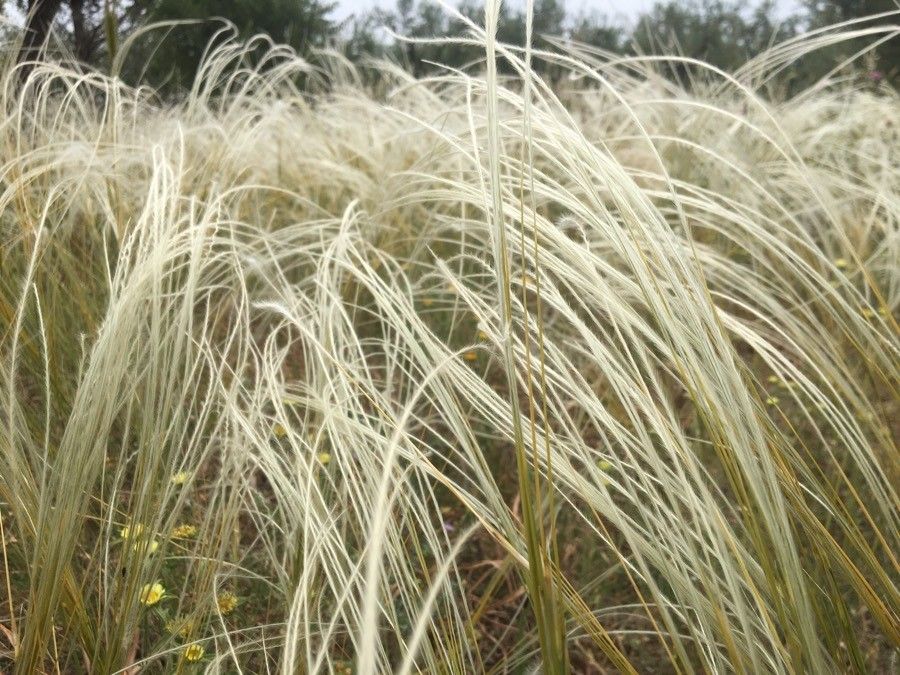
Hello fellow plant lovers! I’m so thrilled you’re interested in propagating Stipa barbata, also known as prickly feather grass. This ornamental grass is a real showstopper with its elegant, airy plumes that dance in the slightest breeze. I’ve found it to be incredibly rewarding to grow from seed or division, and the best part? It’s surprisingly forgiving! Even if you’re just dipping your toes into the world of plant propagation, I think you’ll find success with this beauty.
The Best Time to Start
For the highest success rate with Stipa barbata, I like to get a move on in early spring. This is when the plant is just waking up from its winter slumber and has plenty of energy to put into new growth. If you’re looking at seed propagation, sowing them indoors a few weeks before your last frost is ideal. For division, wait until the soil has warmed up a bit but before the real summer heat kicks in.
Supplies You’ll Need
Gathering your supplies beforehand makes the whole process feel much smoother. Here’s what I usually have on hand:
- Clean pots or trays: Recycled plastic pots work just fine! Just make sure they have drainage holes.
- Well-draining potting mix: A mix formulated for succulents or cacti is excellent, or you can create your own blend with equal parts potting soil, perlite, and coarse sand.
- Sharp pruning shears or a clean knife: For making clean cuts.
- Rooting hormone (optional but recommended): This can give your cuttings a nice boost.
- Watering can with a fine rose or a spray bottle: Gentle watering is key.
- Labels: Trust me, you’ll thank yourself later!
- A bright, indirect light source: A sunny windowsill or a grow light.
Propagation Methods
Stipa barbata is a breeze to propagate, and I find two methods work particularly well.
Seed Propagation
This is my go-to for Stipa barbata, and it’s quite simple.
- Collect seeds: In late summer or fall, look for the mature seed heads. You’ll see the fluffy, feathery plumes. Gently snip these off and place them in a paper bag to dry completely.
- Prepare the seeds: Once dry, you can gently rub the seed heads to release the tiny seeds. You can sow them directly or give them a cold stratification treatment. To do this, mix the seeds with a little lightly moist peat moss or sand in a plastic bag and pop it in the refrigerator for about 4 weeks.
- Sow the seeds: Fill your pots or trays with your well-draining potting mix and lightly moisten it. Sprinkle the seeds evenly over the surface and gently press them into the soil – don’t bury them too deeply.
- Provide warmth and light: Cover the pots loosely with plastic wrap or a humidity dome to retain moisture. Place them in a warm spot with bright, indirect light.
- Be patient: Germination can take anywhere from 2 to 6 weeks. Once you see seedlings emerge, remove the plastic and continue to provide a good amount of light.
Division
This method is perfect for when your Stipa barbata plant is looking a little crowded or you simply want more plants.
- Prepare the plant: In early spring, water your Stipa barbata thoroughly a day or two before you plan to divide it. This helps the plant recover from the disturbance.
- Gently excavate: Carefully dig up the entire plant. You can use a spade or a trowel for this.
- Divide the root ball: Once the plant is out of the ground, gently shake off excess soil. You’ll see the dense root ball. You can use your hands, a trowel, or even a sharp spade to carefully split the clump into smaller sections. Ensure each section has a good amount of roots and some healthy foliage.
- Replant immediately: Have your new pots or garden beds ready. Replant the divisions, ensuring they are at the same depth as they were previously. Water them well.
The “Secret Sauce” (Pro Tips)
Over the years, I’ve picked up a few little tricks that make a big difference.
- Seed starting mix matters: Don’t skimp on the soil for baby seedlings. A light, airy mix is crucial to prevent damping off, which is a fungal disease that can wipe out young plants.
- Bottom heat is your friend: If you’re struggling with germination, especially for seeds, placing your seed trays on a seedling heat mat can significantly speed things up. It mimics the warmth of spring soil and encourages root development.
- Don’t overwater after division: While watering is important after dividing, be careful not to drown your newly transplanted clumps. You want the soil to be moist but not waterlogged. Excess moisture can lead to root rot, especially when the plant is stressed.
Aftercare & Troubleshooting
Once you see those little sprouts or your divisions have settled in, the real fun begins!
Keep your new Stipa barbata plants consistently moist, but never soggy. As they grow, gradually introduce them to more direct sunlight. If you’re propagating from seeds, thin out weaker seedlings to give the stronger ones room to thrive.
The most common issue you might encounter is root rot, which usually stems from overwatering. You might see yellowing leaves or a general lack of vigor. If this happens, ease up on the watering and ensure your pots have excellent drainage. Another sign of trouble is if your divisions fail to establish; this can sometimes be due to trying to divide too late in the season or if the root system was severely damaged.
A Encouraging Closing
Propagating plants is a journey, and with Stipa barbata, it’s a truly delightful path to walk. Be patient with your new baby plants. Nature works on its own schedule, and sometimes the most rewarding results come from a little waiting and a lot of love. Enjoy the process of nurturing these grasses into gorgeous additions to your garden! Happy propagating!
Resource:
https://identify.plantnet.org/k-world-flora/species/Stipa%20barbata%20Desf./data