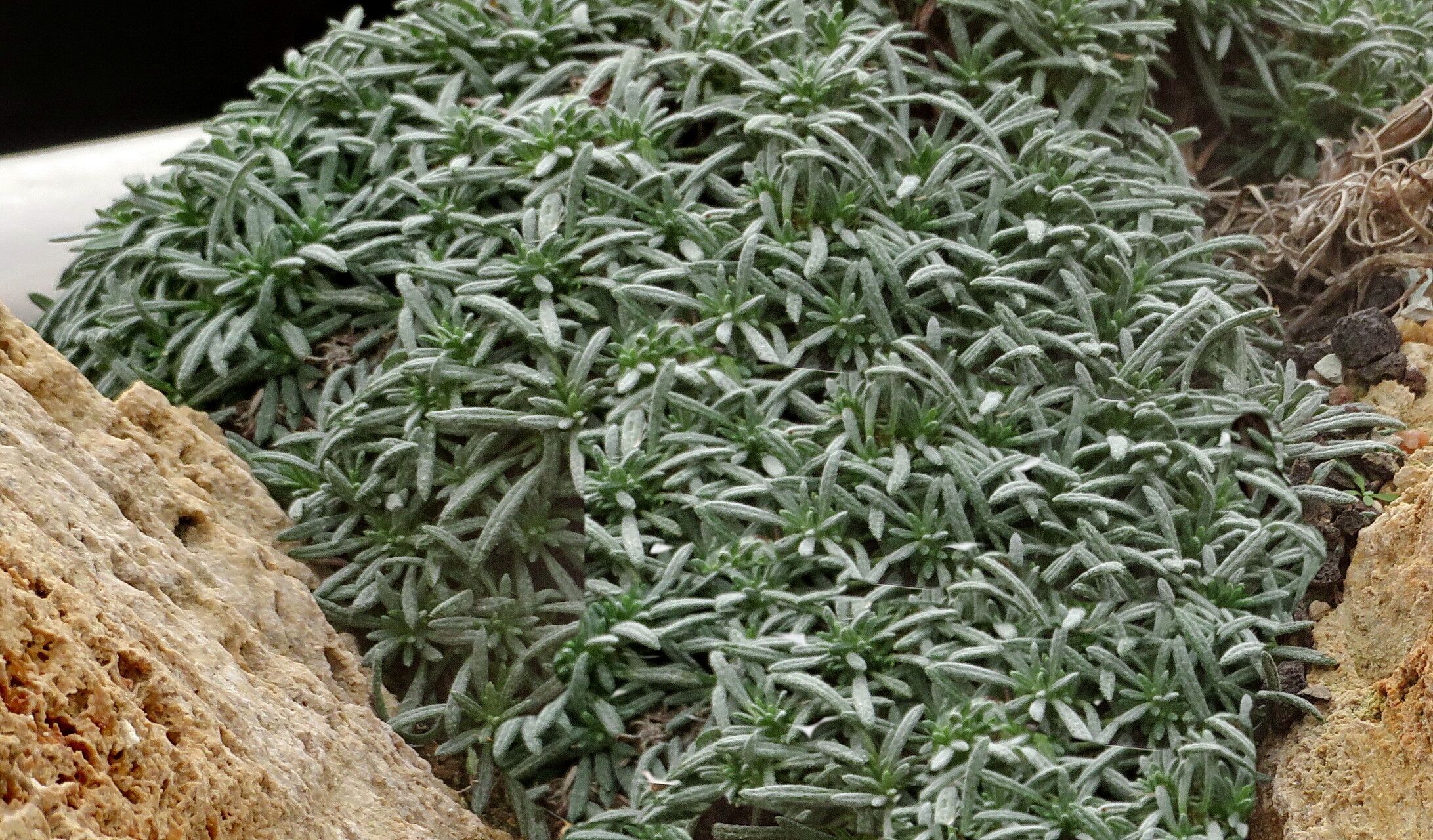
Hello fellow garden enthusiasts! Let’s talk about a plant that’s captured my heart: Phagnalon bicolor. This little gem, with its striking silver foliage and delicate daisy-like flowers, brings a lovely touch of Mediterranean charm to any garden. It’s one of those plants that’s both tough and beautiful, and propagating it is a wonderfully rewarding experience. You get to multiply your joy and share these striking plants with friends! Now, for beginners, I’d say Phagnalon bicolor leans towards the moderately easy side of propagation. It’s not quite as hands-off as some succulents, but with a little care and attention, you’ll find success.
The Best Time to Start
For the highest success rate, I find that late spring to early summer is the sweet spot for propagating Phagnalon bicolor. This is when the plant is actively growing and has plenty of vigorous new shoots that are perfect for taking cuttings. Waiting until you see new growth emerge after the last frost is key.
Supplies You’ll Need
Here’s a little toolkit to get you going:
- Sharp Pruning Shears or a Craft Knife: For clean cuts.
- Rooting Hormone (Optional but Recommended): A powder or gel helps speed things up.
- Well-Draining Potting Mix: I like a blend of 50% perlite and 50% seedling mix.
- Small Pots or Seedling Trays: With drainage holes!
- Plastic Bags or a Clear Dome: To create a humid environment.
- Watering Can or Mister: For gentle watering.
Propagation Methods
I find stem cuttings to be the most reliable way to multiply my Phagnalon bicolor. Here’s how I do it:
- Take the Cuttings: Look for healthy, non-flowering stems. Snip pieces about 4-6 inches long, making the cut just below a leaf node (where a leaf attaches to the stem). Remove the lower leaves from the cutting.
- Apply Rooting Hormone: Dip the cut end of the stem into your rooting hormone, tapping off any excess. This step is optional, but I find it gives those roots a helpful boost.
- Plant Your Cuttings: Fill your small pots with your well-draining potting mix. Make a small hole in the center with your finger or a pencil. Gently insert the cut end of each Phagnalon cutting into the hole, ensuring it stands upright. Firm the soil gently around the base.
- Create a Humid Environment: Water the soil lightly. Then, place the pots inside a plastic bag or cover them with a clear dome. This creates a mini-greenhouse effect, keeping the humidity high, which is crucial for cuttings to root.
The “Secret Sauce” (Pro Tips)
Here are a couple of things I’ve learned that really make a difference:
- Choose “Young Wood”: Don’t use old, woody stems. You want cuttings from the current season’s growth – they’re softer and root with much more enthusiasm. A cutting that bends easily but doesn’t snap is usually perfect.
- Keep Leaves Dry: When you mist or water, be really careful not to get the leaves of the cuttings too wet. Excess moisture on the foliage can encourage rot before roots even have a chance to form.
Aftercare & Troubleshooting
Once your cuttings are planted, give them a bright spot out of direct, intense sunlight. Check the soil moisture regularly; it should be kept consistently lightly moist, not soggy. You can gently tug on a cutting after about 3-4 weeks. If you feel resistance, that means roots have formed!
Now, let’s talk about what can go wrong. The most common issue I see is rot. If your cuttings turn mushy and black, they’ve likely been kept too wet or the humidity was too high for too long. Don’t despair! Just try again with new cuttings, ensuring better air circulation and slightly less moisture. Sometimes, cuttings just don’t take; it’s part of the gardening dance.
A Encouraging Closing
Propagating Phagnalon bicolor is a journey, and like all good things in the garden, it requires a bit of patience. Don’t be discouraged if your first attempt isn’t perfect. Keep trying, observe your plants, and learn from each experience. Before you know it, you’ll have a lovely collection of your own beautiful Phagnalon to enjoy and share. Happy propagating!
Resource:
https://identify.plantnet.org/k-world-flora/species/Phagnalon%20bicolor%20Ball/data