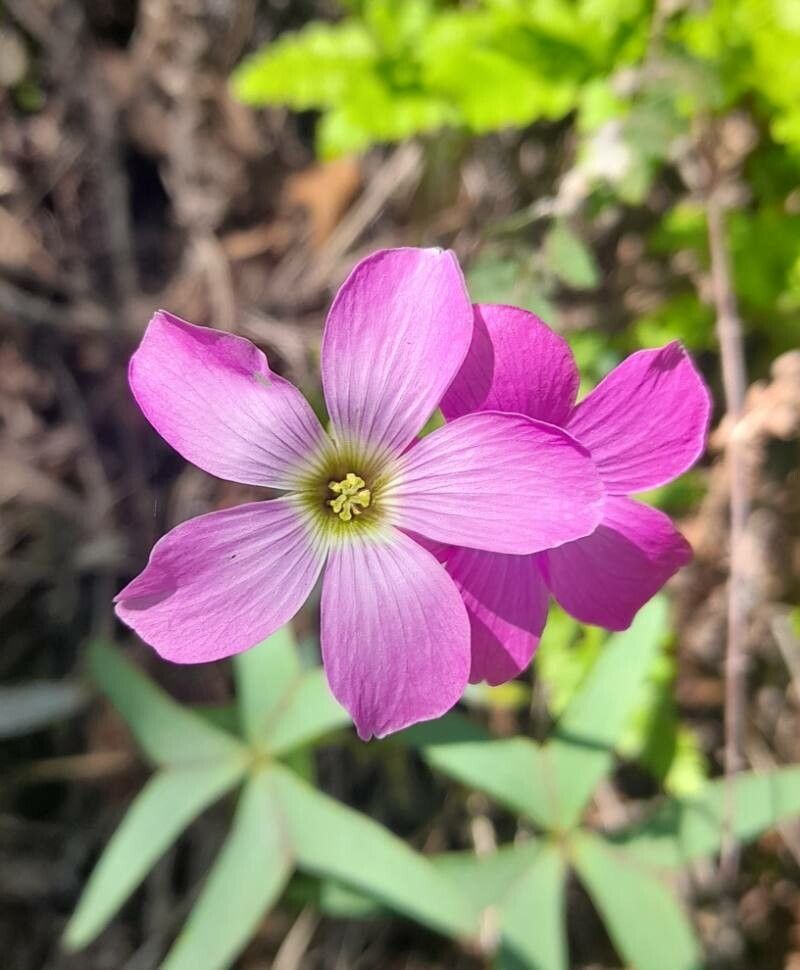
Hello green thumbs! It’s so lovely to have you join me today. If you’ve ever admired the delicate, clover-like foliage and cheerful blooms of Oxalis argentina, you’re in the right place. This plant, often called Argentinian wood sorrel, brings a touch of elegant wildness to any spot, whether it’s cascading from a hanging basket or adding a whisper of green to a terrarium. And the best part? It’s wonderfully rewarding to propagate. Honestly, even if you’re just dipping your toes into the world of plant propagation, Oxalis argentina is a fantastic, forgiving friend to start with. You’ll be amazed at how quickly you can share this beauty with others (or just fill more of your own home with it!).
The Best Time to Start
When it comes to Oxalis argentina, spring, as the plant is waking up from its dormancy and bursting with new growth, is truly your golden ticket. You’ll see the most vigorous energy then, making it prime time for taking cuttings or dividing. While you can propagate it at other times, spring gives you the best chance of quick, successful roots. Look for stems that are actively growing and look healthy – no wilting or yellowing allowed!
Supplies You’ll Need
Gathering your supplies before you begin makes the whole process so much smoother. Here’s what I usually have on hand:
- Clean, sharp pruning shears or scissors: Sanitation is key to preventing disease.
- A well-draining potting mix: I like a blend of equal parts peat moss and perlite, or a good quality houseplant mix with extra perlite added.
- Small pots or containers: Seedling starter trays, small individual pots, or even repurposed yogurt cups with drainage holes will work.
- Rooting hormone (optional but helpful): This can give your cuttings a super-boost.
- A spray bottle filled with water: For keeping things humid.
- A plastic bag or propagator: To create a mini-greenhouse environment.
Propagation Methods
Oxalis argentina is a champ at reproducing, and I find two methods work exceptionally well.
Stem Cuttings: The Usual Suspect
This is my go-to for Oxalis argentina. It’s straightforward and yields great results.
- Take Your Cuttings: Find a healthy stem that’s at least 4-6 inches long. Using your clean shears, cut just below a leaf node (that’s the little bump where a leaf grows from the stem). You want at least two or three leaf nodes on your cutting.
- Prepare the Cutting: Gently remove the lower leaves from the stem, leaving just a couple of leaves at the very top. This prevents them from rotting when they’re in the soil or water.
- Apply Rooting Hormone (Optional): If you’re using rooting hormone, dip the cut end of the stem into it. Tap off any excess.
- Plant or Pot:
- For Soil Propagation: Fill your small pots with your prepared potting mix. Make a small hole with your finger or a pencil and gently insert the cut end of the stem into the soil. Firm the soil around it.
- For Water Propagation: You can also place the prepared cuttings directly into a small glass or jar of water. Make sure the water level covers the leaf nodes, but importantly, don’t let the leaves themselves touch the water. They’ll just turn mushy.
- Create Humid Conditions: If you’re potting them, give them a good misting with water. Then, cover the pots loosely with a plastic bag or place them in a propagator. This traps moisture and creates that humid environment cuttings love. If you’re water propagating, just placing the jar in a humid spot might be enough, or you can carefully tent a bag over it if needed.
Division: For the Established Clumps
If you have a larger, established Oxalis argentina plant that’s looking a bit crowded, division is a fantastic option. It’s like giving your plant a haircut and a new lease on life!
- Gently Remove the Plant: Carefully take the entire plant out of its pot. You might need to gently loosen the sides with a knife if it’s really stuck.
- Inspect the Roots: Gently shake off excess soil to get a good look at the roots. You’ll see the rhizome-like structures.
- Divide: Using your fingers or a clean knife, carefully separate the clump into smaller sections. Each section should have healthy roots and at least a few shoots. Don’t stress too much about perfection; happy divisions are the goal!
- Pot Up: Pot each divided section into its own small pot filled with your well-draining potting mix.
The “Secret Sauce” (Pro Tips)
Here are a couple of little tricks I’ve picked up over the years that really help boost success with Oxalis argentina:
- Bottom Heat is Your Friend: If you have a heat mat designed for seedlings, placing your pots on top of it can make a world of difference. The warmth encourages root development much faster. I’ve found it particularly helpful during cooler spring days.
- Don’t Be Afraid to Mist: Oxalis loves a humid environment. I often give my cuttings a light misting every couple of days, especially if I see the leaves starting to look a bit dry. Just be careful not to over-water the soil at this stage – we want roots, not rot!
Aftercare & Troubleshooting
Once you start seeing new growth emerging from your cuttings, or if you’ve divided a plant, congratulations! That’s a sign that roots are forming.
- Gradual Acclimation: If you’ve used a plastic bag, slowly start to open it up more each day over the course of a week. This helps the new plant adjust to normal humidity levels.
- Watering Gently: Once roots are established and you’ve removed the humidity dome, water as you would your established Oxalis. Let the top inch of soil dry out between waterings. Avoid letting it sit in soggy soil, as this is the quickest way to invite root rot.
- Signs of Trouble: The most common issue you’ll encounter is rot. If your cutting turns mushy and black, or if the leaves start yellowing and dropping rapidly without new growth appearing, it’s likely too much moisture or not enough airflow. Sometimes, especially with stem cuttings, you might find they just don’t root. If you see signs of rot, it’s best to discard that cutting and try again. Don’t get discouraged; it happens to all of us!
A Encouraging Closing
Propagating plants is a journey, and patience is truly a gardener’s virtue. Embrace the process, learn from each attempt, and don’t be afraid to experiment. Soon you’ll have a lovely collection of Oxalis argentina to enjoy and share. Happy growing, dear friends!
Resource:
https://identify.plantnet.org/k-world-flora/species/Oxalis%20argentina%20R.Knuth/data