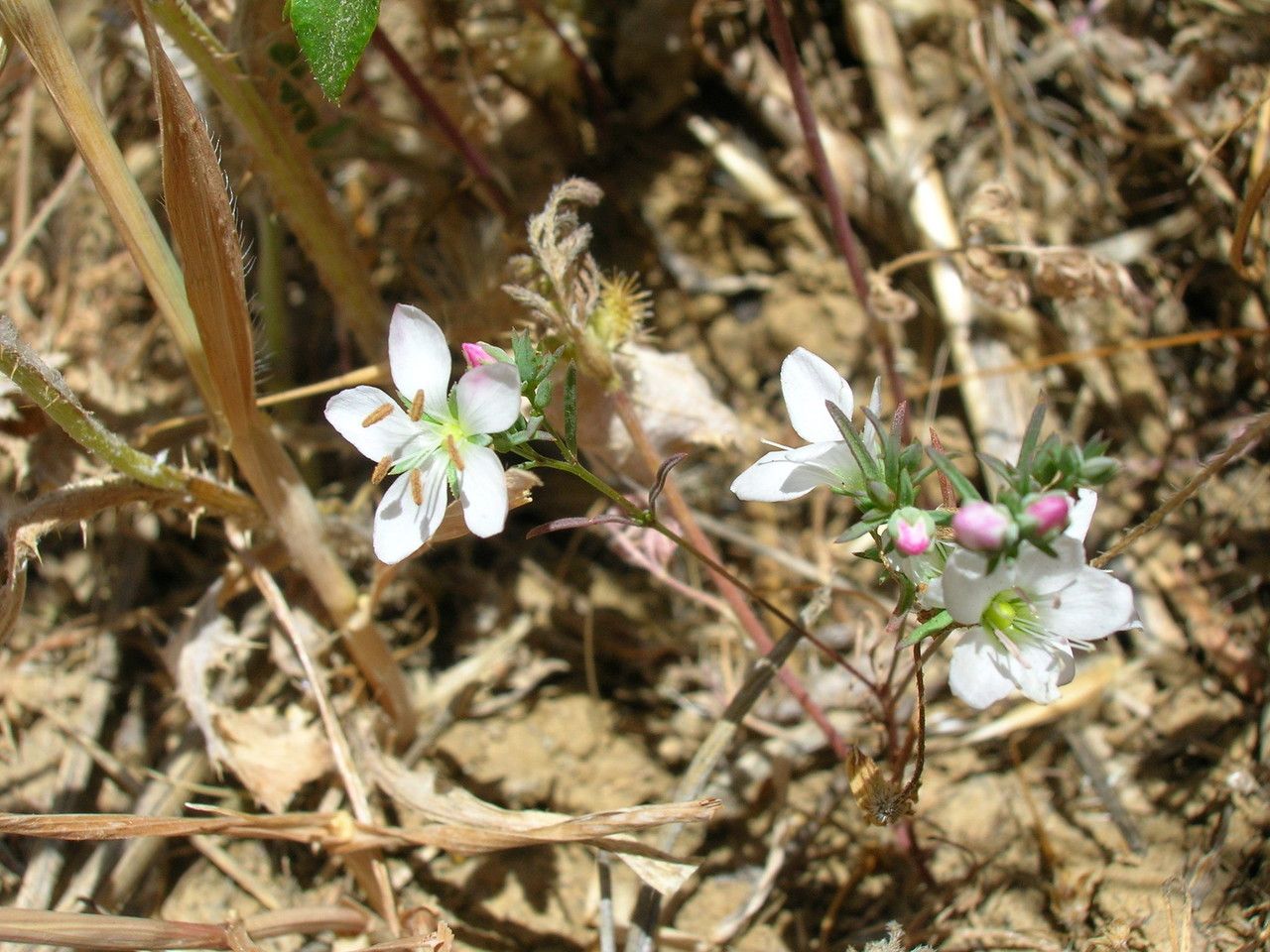
Well hello there, fellow plant enthusiasts! It’s so wonderful to have you join me today. We’re going to dive into the delightful world of propagating Linum californicum, also known as California flax. If you’ve ever admired those delicate, sky-blue blooms gracing our wild spaces or tucked into a sunny garden border, you know just how special this native beauty is.
Propagating Linum californicum is a truly rewarding endeavor. There’s just something incredibly satisfying about taking a piece of a beloved plant and coaxing it to grow into a brand new one. It’s a gentle way to expand your garden, share with friends, or simply deepen your connection with nature. For beginners, you might find it a tad more challenging than, say, a succulent, but with a little patience and these tips, you’ll be well on your way.
The Best Time to Start
Timing is everything in the garden, isn’t it? For Linum californicum, the sweet spot for propagation is late spring to early summer. This is when the plant is actively growing, full of vigor, and has plenty of energy to put into developing new roots. You’ll be looking for healthy, non-flowering stems to get your best results.
Supplies You’ll Need
Gathering your supplies beforehand makes the whole process smoother. Here’s what I usually have on hand:
- Sharp Pruning Shears or a Clean Knife: For making clean cuts.
- Rooting Hormone (Optional but Recommended): A powdered or liquid type works well.
- Well-Draining Potting Mix: A blend of potting soil, perlite, and coarse sand is ideal. You want it light and airy.
- Small Pots or Seed Trays: With drainage holes, of course!
- Plastic Bags or a Propagation Dome: To create a humid environment.
- Watering Can with a Fine Rose or Spray Bottle: For gentle watering.
- Labels: So you don’t forget what you planted where!
Propagation Methods
Let’s get our hands dirty! For Linum californicum, stem cuttings are generally the most successful method.
Stem Cuttings:
- Select Your Cuttings: Head out to your healthy Linum californicum plant in late spring or early summer. Look for softwood or semi-hardwood cuttings. These are stems that are still flexible but have started to firm up a bit. Aim for pieces that are about 4-6 inches long. You want to avoid any woody, old stems or those that are already flowering.
- Make the Cut: Using your clean, sharp shears or knife, make a clean cut just below a leaf node. A leaf node is where a leaf attaches to the stem; this is where the magic of root development often happens.
- Prepare the Cuttings: Gently remove the lower leaves from the cutting, leaving just a few at the very top. This prevents them from rotting when they’re in the soil or water.
- Dip in Rooting Hormone (Optional): If you’re using rooting hormone, lightly dip the cut end of the stem into the powder or liquid. Tap off any excess.
- Plant Your Cuttings: Fill your small pots or trays with your well-draining potting mix. Make a small hole in the center of the mix with a pencil or your finger. Carefully insert the cut end of the Linum californicum cutting into the hole, and gently firm the soil around it. You can plant several cuttings in one pot, as long as they have a little space between them.
- Water Gently: Water the soil thoroughly but gently. You want it to be moist, not waterlogged.
- Create Humidity: Cover the pots loosely with a plastic bag, a propagation dome, or even a clear plastic bottle cut in half. This will create a mini-greenhouse effect, keeping the humidity high, which is crucial for cuttings to root. Make sure the leaves aren’t touching the plastic if possible.
The “Secret Sauce” (Pro Tips)
Now for a few things I’ve learned over the years that really seem to make a difference:
- “The Nibble Test”: Before you even take your cutting, give the stem a gentle squeeze. If it snaps easily, it’s too soft (too much leafy growth). If it’s completely rigid and hard to bend, it’s too woody. You’re aiming for that perfect middle ground, where it bends but doesn’t break.
- “Bottom Heat for Boost”: While not strictly necessary for Linum californicum, if you have trouble with rooting or want to speed things up, placing your pots on a heated propagator mat can work wonders. The gentle warmth from below encourages root formation. Just ensure it’s not too hot!
- “Air Circulation is Key”: Once you see signs of new growth, it’s important to start gradually increasing ventilation. Open the bag or dome for a few minutes each day to help the new plant acclimate and prevent fungal issues.
Aftercare & Troubleshooting
Once your cuttings have been in their humid little homes for a few weeks, you can start checking for roots. Gently tug on a cutting; if you feel resistance, you’ve got roots!
- Transplanting: When the new plants have a decent root system, you can transplant them into their own small pots. Continue to keep them in a bright, indirect light spot and water them when the top inch of soil feels dry.
- Signs of Trouble: The most common issue you’ll encounter is rot. If your cuttings turn black and mushy, or if you see fuzzy mold on the soil, it’s usually a sign of overwatering and not enough air circulation. In this case, it’s best to discard the affected cuttings and start fresh, being extra mindful of drainage and ventilation next time.
A Encouraging Closing
Propagating Linum californicum is a journey, not a race. Be patient with your little green babies. Some will take root quickly, while others might take a bit longer. Don’t get discouraged if not every cutting is a success. Celebrate the ones that do thrive, and enjoy the process of learning and growing alongside these beautiful plants. Happy gardening!
Resource:
https://identify.plantnet.org/k-world-flora/species/Linum%20californicum%20Benth./data