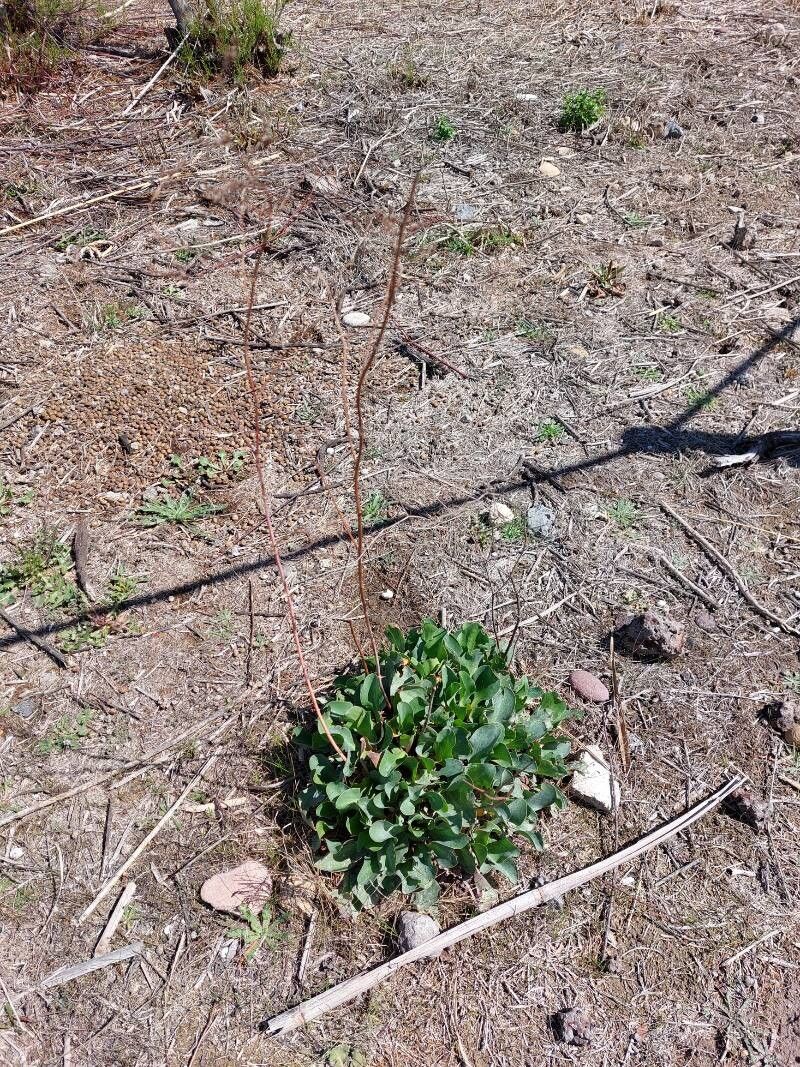
Hello fellow garden enthusiasts! Today, I want to chat about a plant that truly brings a touch of breezy, Mediterranean charm to any garden or vase: Limonium dufourii, often known as Spanish Statice. Its papery, vibrant blooms are a testament to nature’s artistry, and honestly, propagating them yourself is incredibly satisfying. For those new to plant propagation, Limonium dufourii can be a little finicky, but with a few well-aimed tips, you’ll be well on your way to success. Think of it as a rewarding challenge, not an insurmountable hurdle!
The Best Time to Start
The sweet spot for propagating Limonium dufourii is definitely late spring to early summer. This is when the plant is in its active growing phase, producing healthy new shoots that are full of vigor. Starting during this time gives your cuttings the best chance to establish roots before cooler weather arrives.
Supplies You’ll Need
Before we get our hands dirty, let’s gather our trusty tools:
- Sharp, clean pruning shears or a sharp knife: For making clean cuts.
- Rooting hormone powder or gel: This is a helpful booster, though not strictly essential for every attempt.
- A well-draining potting mix: I like a blend of equal parts peat moss, perlite, and coarse sand. You can also buy a commercial succulent or cactus mix.
- Small pots or seedling trays with drainage holes: Cleanliness is key here.
- A spray bottle filled with water: For keeping things consistently moist.
- Clear plastic bags or a propagation dome: To create a humid environment.
- Optional: A heat mat: This can significantly speed up root development.
Propagation Methods
Limonium dufourii is most commonly propagated from stem cuttings. It’s pretty straightforward once you get the hang of it.
- Take Your Cuttings: Choose a healthy, non-flowering stem from your parent plant. Using your clean shears, make a cut just below a leaf node (that little bump where leaves emerge from the stem). You’re looking for cuttings that are about 3-4 inches long. Remove the lower leaves, leaving just a few at the top.
- Prepare the Cutting: If you’re using rooting hormone, dip the cut end of the stem into the powder or gel. Tap off any excess. This step helps encourage root formation.
- Planting Time: Fill your small pots or trays with your prepared potting mix. Make a small hole in the center of the soil with your finger or a pencil. Gently insert the cut end of your Limonium cutting into the hole, ensuring the leaf nodes are just covered by soil. Firm the soil gently around the stem.
- Create Humidity: Water the soil thoroughly until water drains from the bottom. Then, place the pots inside clear plastic bags or cover them with a propagation dome. Make sure the plastic doesn’t touch the leaves. This creates a mini-greenhouse effect, keeping the humidity high, which is crucial for cuttings that haven’t developed roots yet.
- Location, Location, Location: Place your cuttings in a bright spot with indirect sunlight. Direct sun can scorch young cuttings. If you have a heat mat, place the pots on top of it.
The “Secret Sauce” (Pro Tips)
Here are a few little tricks I’ve learned over the years that make a big difference:
- Don’t Overwater from the Start: While you want to keep the soil consistently moist, soggy soil is the enemy of cuttings. It can lead to rot before roots even have a chance to form. Water when the top inch of soil feels dry to the touch.
- Bottom Heat is Your Friend: I really can’t stress this enough. A gentle, consistent bottom heat (around 70-75°F or 21-24°C) from a heat mat can dramatically speed up the rooting process for Limonium. It mimics the warmth of summer soil and really encourages those roots to get going.
- Be Patient with the Nodules: Sometimes, you might see tiny little nubs or swellings forming at the leaf nodes. These are often signs that roots are developing! Don’t be discouraged if it takes a few weeks – patience is a gardener’s greatest virtue.
Aftercare & Troubleshooting
Once you start to see new leaf growth on your cutting, that’s a very good sign that roots are forming! You can gently tug on the cutting – if there’s resistance, it has rooted. Gradually introduce it to less humid conditions by opening the plastic bag or dome a little each day over a week before removing it entirely. Continue to water as needed, letting the soil dry slightly between waterings.
The most common issue you’ll face is rot. If your cutting turns black and mushy, unfortunately, it’s likely a goner. This is usually a sign of overwatering and poor drainage. If you notice wilting without obvious drought, check the soil moisture.
A Little Patience Goes a Long Way
Propagating Limonium dufourii is a journey, and like all good gardening endeavors, it requires a bit of patience. Don’t be discouraged if your first few attempts aren’t perfect. Each time you try, you learn something new. Celebrate the small successes, and enjoy the process of bringing new life into your garden. Happy propagating!
Resource:
https://identify.plantnet.org/k-world-flora/species/Limonium%20dufourii%20(Girard)%20Kuntze/data