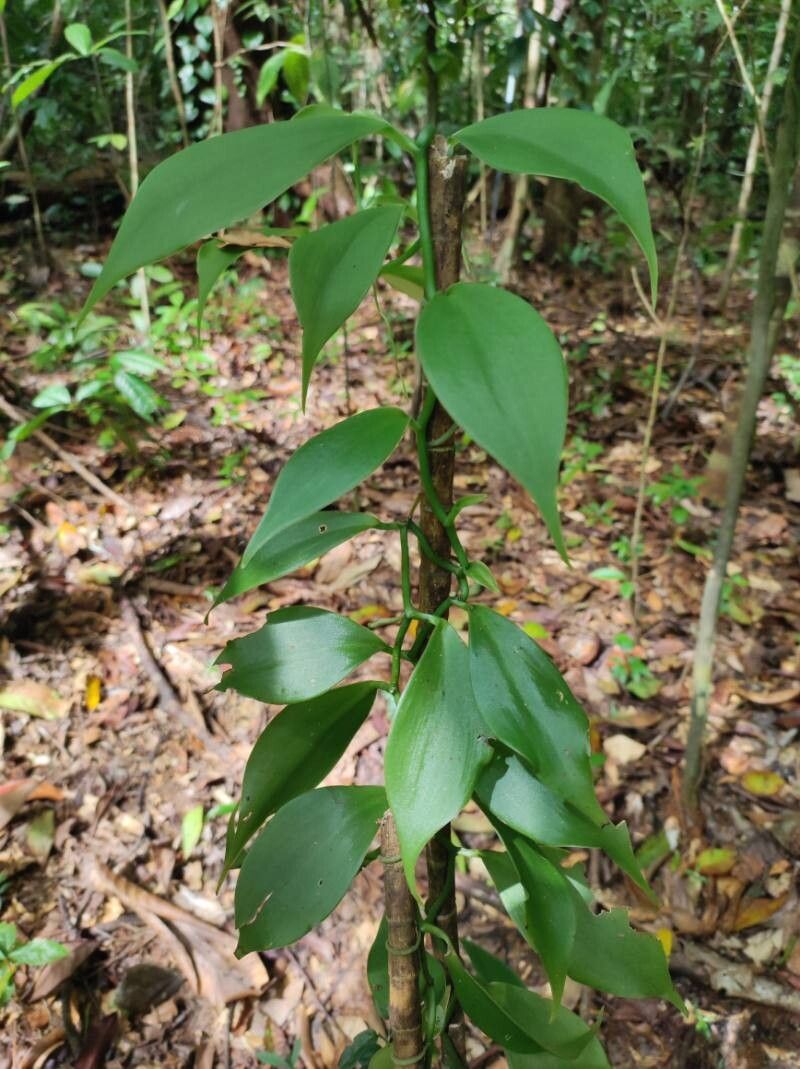
Oh, hello there! Pull up a chair and let’s chat about something truly special: Vanilla trigonocarpa. If you’ve ever admired their unique, almost alien-looking blooms or the sheer joy of growing your own little piece of the tropics, you’re in for a treat. Propagating this beauty isn’t just about making more plants; it’s about unlocking the secrets of this fascinating vine and watching new life unfurl before your eyes. For beginners? Let’s just say it’s a rewarding challenge, but with a little care and a dash of patience, you’ll be celebrating success.
The Best Time to Start
The sweet spot for propagating Vanilla trigonocarpa is definitely when the plant is actively growing, which usually means late spring through early summer. Think of it as giving your new cuttings the longest possible stretch of warm, sunny days to establish themselves. Avoid propagating when the plant is stressed, perhaps from extreme heat or cold, or during its dormant period.
Supplies You’ll Need
Here’s what you should gather before we get our hands dirty:
- Sharp, clean pruning shears or a sharp knife: Precision is key to a clean cut that heals well.
- Well-draining potting mix: A popular choice is a mix of orchid bark, perlite, and a bit of peat moss. You want air to circulate, but also moisture retention.
- Small pots or rooting containers: I prefer small plastic pots with good drainage holes.
- Rooting hormone (optional but helpful): A powder or gel can give your cuttings a boost.
- Clear plastic bags or a propagator lid: This helps create a humid environment, vital for success.
- Watering can with a fine rose or a spray bottle: Gentle watering is essential.
- Labels and a marker: Don’t forget to label your babies!
Propagation Methods
Let’s explore the most successful ways to get more Vanilla trigonocarpa.
Stem Cuttings
This is my go-to method for Vanilla trigonocarpa.
- Select your cutting: Look for a healthy, mature stem that is at least 6-12 inches long and has a few nodes (those little bumps where leaves emerge). Avoid very young, soft growth or old, woody stems.
- Make the cut: Using your sharp, clean shears, make a clean cut just below a node. This is where roots are most likely to emerge. You can also take cuttings that include a section of aerial root if one is present.
- Prepare the cutting: Gently remove the lower leaves from the stem, leaving just a few at the top. This prevents them from rotting in the soil and encourages the plant to focus energy on rooting.
- Apply rooting hormone (optional): If you’re using rooting hormone, dip the cut end into the powder or gel, tapping off any excess.
- Plant your cutting: Fill your small pot with your well-draining potting mix. Make a hole with your finger or a pencil and gently insert the cut end of the stem. Firm the soil around it so the cutting is secure.
- Create humidity: Water the soil gently until it’s evenly moist but not soggy. Then, cover the pot with a clear plastic bag secured with a rubber band, or place it in a propagator with a lid. This will trap humidity around the cutting.
Water Propagation
This can be a good visual method to see root development.
- Prepare the cutting: Follow steps 1-3 from the stem cutting method.
- Place in water: Fill a clean jar or container with lukewarm water. Submerge the cut end of the stem, making sure no leaves are touching the water.
- Find a good spot: Place the container in a bright, indirect light location. Avoid direct sun, which can scorch the leaves.
- Change the water: Refresh the water every few days to keep it clean and oxygenated.
The “Secret Sauce” (Pro Tips)
Here are a few tricks I’ve picked up over the years that make a real difference:
- Aerial roots are your best friend: If your parent plant has aerial roots (those little fleshy roots that grow from the stem), try to include one on your cutting. They are ready-made to anchor and absorb. Don’t cut them off!
- Bottom heat is like magic: Vanilla trigonocarpa absolutely loves a little warmth from below. Placing your potted cuttings on a seedling heat mat will significantly speed up root formation. It mimics the warm tropical soil they crave.
- Don’t overwater, but don’t let it dry out: This is a delicate balance for new cuttings. The soil should feel consistently moist, like a wrung-out sponge, but never waterlogged. If you’re using the plastic bag method, check the moisture level by gently pressing the soil.
Aftercare & Troubleshooting
Once you see those beautiful little roots emerging (you can often see them peeking out of the drainage holes of pots, or clearly in water propagation), it’s time for a little adjustment.
- Gradual acclimation: For cuttings in plastic bags or propagators, begin to remove the cover for short periods, gradually increasing the time over a week or two. This helps them adjust to the lower ambient humidity.
- Move to a slightly larger pot: Once roots are well-developed and the plant is showing new growth, you can transplant it into a slightly larger pot with fresh, well-draining potting mix.
- Watering moving forward: Continue to water when the top inch of soil feels dry.
- Watch for rot: The most common issue is rot, appearing as mushy, black stems or leaves. This is almost always due to overwatering or poor drainage. If you see this, it’s often too late to save the cutting, but don’t despair! Just try again with a fresh one and adjust your watering. Any yellowing leaves without visible rot might just be the plant shedding old leaves to conserve energy.
A Encouraging Closing
Propagating Vanilla trigonocarpa is a journey of observation and gentle intervention. There will be times when things don’t go perfectly, and that’s okay! Every gardener has had cuttings that didn’t make it. The key is to learn from each attempt, adjust your approach, and keep nurturing those hopeful little shoots. Be patient, enjoy the process of watching new life take hold, and soon you’ll have a whole new generation of these wonderful vines to share. Happy propagating!
Resource:
https://identify.plantnet.org/k-world-flora/species/Vanilla%20trigonocarpa%20Hoehne/data