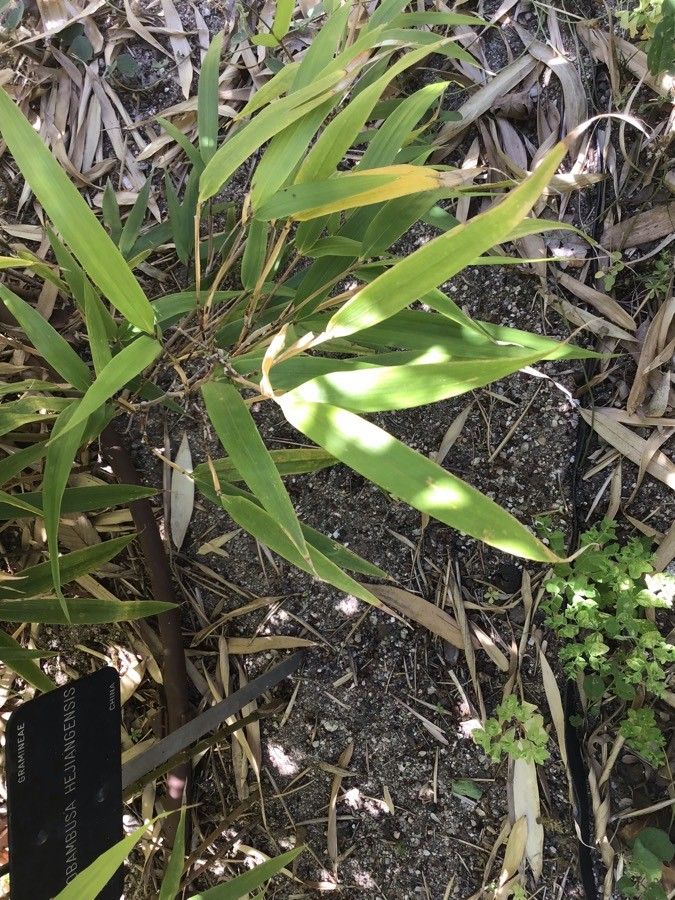
Hey there, fellow garden enthusiasts! I’m so excited to dive into the world of Chimonobambusa hejiangensis with you today. If you’ve ever admired those graceful, clumping bamboos with their lovely striped culms, you know exactly what I’m talking about. They bring such a wonderful, natural elegance to any space, and honestly, watching them unfurl new shoots is one of gardening’s simple joys.
Propagating this beauty is a fantastic way to multiply its charm and share it with gardening friends (or just fill up every corner of your own yard!). For those of you just starting out, I’d say Chimonobambusa hejiangensis is a moderately easy plant to propagate. With a little care and the right timing, you’ll be well on your way to success.
The Best Time to Start
When it comes to getting the most bang for your propagation buck, late spring to early summer is your golden window. Think about when the plant is actively growing, pushing out new shoots and developing energy. This is the prime time for division and cuttings, as the plant is at its most vigorous and best equipped to put out new roots.
Supplies You’ll Need
Gathering your tools beforehand makes the whole process so much smoother. Here’s what I always have on hand:
- Sharp Pruning Shears or a Clean Knife: For making clean cuts. Dull tools can damage the plant and invite disease.
- Potting Mix: A well-draining mix is crucial. I like to use a blend of equal parts peat moss, perlite, and compost. For divisions, a good quality, general potting mix works well.
- Rooting Hormone (Optional, but recommended for cuttings): This can significantly speed up root development and increase success rates.
- Small Pots or Trays: For your new cuttings or divisions. Make sure they have drainage holes.
- Clear Plastic Bags or a Propagation Dome: To create a humid environment for cuttings.
- Watering Can with a Fine Rose: For gentle watering.
- Labeling Stakes: So you don’t forget what you’ve planted and when!
Propagation Methods
Let’s get our hands dirty! Chimonobambusa hejiangensis can be propagated by two main methods: division and stem cuttings.
Division
This is perhaps the most straightforward method for bamboo.
- Dig it Up (Carefully!): In late spring or early summer, when the plant is actively growing, gently dig around the clump of your Chimonobambusa hejiangensis. You want to lift the entire root ball out of the ground or pot if it’s containerized. Avoid damaging the main roots as much as possible.
- Separate the Rhizomes: Once the clump is out, you’ll see the thick rhizomes (underground stems). You can often gently pull these apart with your hands. If they’re really tough, use your sharp pruning shears or knife to cut through them, ensuring each division has at least one healthy bud or shoot and a good chunk of root.
- Repot or Replant: Immediately pot your divisions into containers filled with your well-draining potting mix or replant them directly into their new garden spot. Water them thoroughly.
Stem Cuttings
This method gives you more individual plants from a single parent.
- Take Cuttings: From a healthy, actively growing culm (shoot), select pieces that are about 6-8 inches long. Make your cuts just below a node (the swollen joint where leaves emerge). Remove all but the top 1-2 leaves. If your leaves are large, you can cut them in half horizontally to reduce water loss.
- Prepare the Cutting: Dip the cut end into rooting hormone, tapping off any excess.
- Plant the Cuttings: Insert the cut end into small pots filled with your moist potting mix. Push them deep enough so they are stable.
- Create Humidity: Water gently. Then, cover the pots loosely with a clear plastic bag or place them under a propagation dome to maintain high humidity. You can use small stakes to keep the bag from touching the leaves.
- Place in Warmth: Position the pots in a bright spot, but out of direct, harsh sunlight.
The “Secret Sauce” (Pro Tips)
Here are a couple of tricks I’ve picked up over the years that can really make a difference:
- Don’t Let the Leaves Touch the Water: If you’re doing water propagation (which can sometimes work with bamboo, though less reliably than soil-based methods), make sure the leaves of your cuttings are well above the water line. Any submerged foliage will quickly rot and can kill the cutting.
- Embrace Bottom Heat for Cuttings: If you’re serious about cuttings, investing in a heating mat specifically for propagation can be a game-changer. Consistent, gentle warmth at the base of the pot encourages roots to form much faster and more reliably. It mimics the natural conditions of spring.
- A Light Hand with Watering: When dealing with new divisions or cuttings, it’s easy to overwater. The goal is to keep the soil consistently moist, not waterlogged. I find that gently misting cuttings and watering divisions thoroughly at the base, then allowing the top inch of soil to dry slightly before watering again, works best.
Aftercare & Troubleshooting
Once your divisions are planted or your cuttings have hopefully rooted (you’ll see new growth appearing!), it’s time for gentle care.
- Continue with Consistent Moisture: Keep the soil moist, especially during the first few weeks.
- Gradually Acclimate Cuttings: Once you see new leaves and shoots, you can gradually start opening the plastic bag or dome a little each day to get them used to less humid air.
- Avoid Over-Fertilizing: Don’t rush to fertilize. Let the new plant establish itself. A dilute feeding with a balanced liquid fertilizer a month or so after it looks established is usually enough.
The most common sign of failure with cuttings is rot. If your cutting turns black, mushy, or just wilts and doesn’t recover, it’s likely succumbed to rot, usually from too much moisture or a lack of air circulation. For divisions, if they don’t show any signs of new growth after several weeks, they might not have had enough root mass or a healthy bud. Don’t despair, though – sometimes they just need a little more time!
A Encouraging Closing
Growing new plants is such a rewarding journey, and working with Chimonobambusa hejiangensis is a delightful experience. Be patient, enjoy the process, and marvel at the resilience of nature. Soon you’ll have more of these gorgeous bamboos to enjoy in your garden! Happy growing!
Resource: