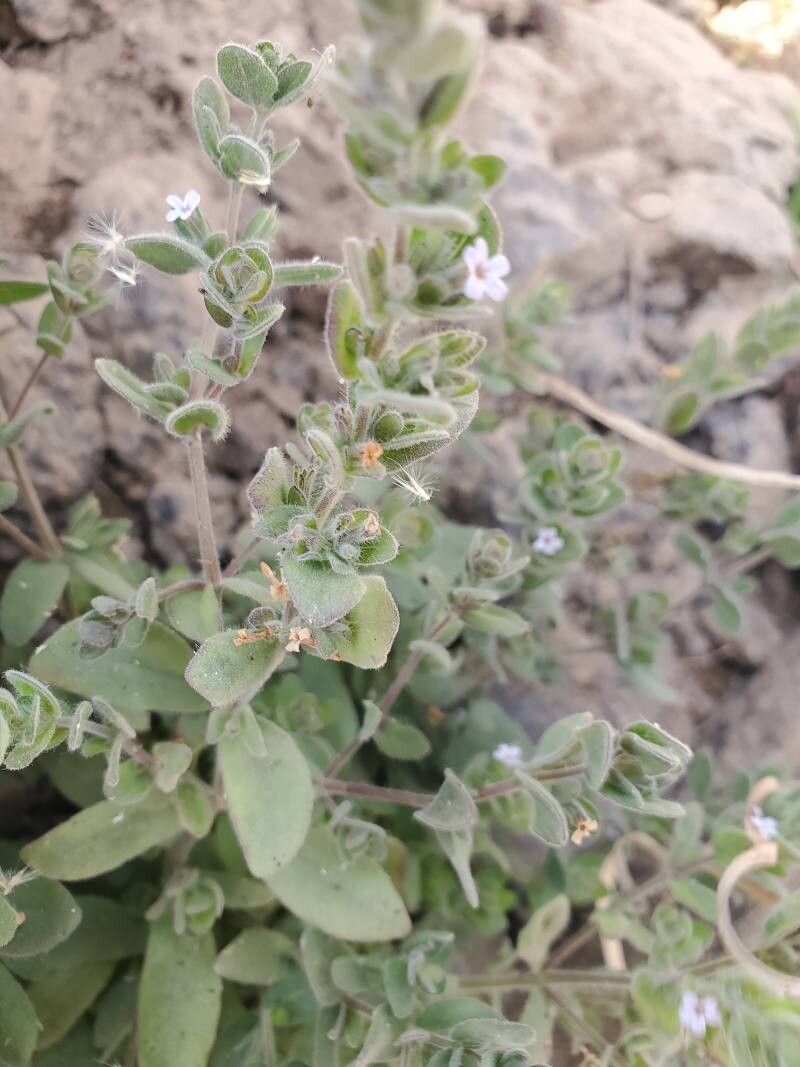
Hello to all my fellow plant lovers! If you’ve ever admired the lush, feathery foliage of Hygrophila abyssinica and thought, “I wish I had more of that beauty,” then you’re in the right place. I’m thrilled to share how easy it is to multiply this gorgeous plant. It’s incredibly rewarding to nurture a tiny cutting and watch it transform into a full-fledged specimen. And the best part? Hygrophila abyssinica is a wonderfully forgiving plant, making it a fantastic choice, even if you’re just dipping your toes into propagation for the first time.
The Best Time to Start
For the happiest Hygrophila abyssinica and the quickest results, I find late spring through early autumn to be the sweet spot. This is when the plant is actively growing, meaning those cuttings have plenty of energy to put into rooting. You can even sneak in some propagation during warmer winter months indoors if you have good light, but you’ll likely see more robust rooting during the active growing season. Look for healthy, vigorous stems on your mature plant.
Supplies You’ll Need
Here’s what you’ll want to have on hand before you get started:
- Sharp, clean pruning shears or scissors: A clean cut prevents disease.
- Rooting hormone (optional but recommended for speed): Not strictly necessary for Hygrophila, but it gives cuttings a nice boost.
- A well-draining potting mix: I love a blend of peat moss, perlite, and a bit of coarse sand. For water propagation, just use clean water!
- Small pots or propagation trays: About 3-4 inches in diameter works well.
- A plastic bag or clear dome: This creates a humid microclimate for your cuttings.
- Watering can with a fine rose or spray bottle.
Propagation Methods
Hygrophila abyssinica is a champion of stem cuttings, which is how I primarily propagate it.
1. Stem Cuttings:
First, select a healthy stem from your mature plant. Look for one that’s at least 4-6 inches long and has plenty of leaves. Using your clean pruning shears, make a cut just below a leaf node. A leaf node is that little bump where a leaf emerges from the stem; this is where new roots will form.
Now, gently remove the leaves from the bottom half of the cutting, leaving just a few at the top. If you’re using rooting hormone, dip the cut end into it now, tapping off any excess.
Next, you have two paths:
- Into Water: Fill a small jar or glass with clean water. Place your cuttings in the water, ensuring that the leaf nodes are submerged, but no leaves are touching the water. Change the water every few days to keep it fresh. You should start seeing tiny white roots appear within a week or two.
- Into Soil: Fill your small pots with your well-draining potting mix. Make a small hole in the center of the soil with your finger or a pencil. Gently insert the cut end of your Hygrophila cutting into the hole. Firm the soil gently around the stem. Water thoroughly until you see water drain from the bottom of the pot.
Now, here’s where the humidity comes in. Cover the pots with a clear plastic bag or a propagation dome. This acts like a mini-greenhouse, keeping the moisture levels high, which cuttings desperately need. Place them in a bright spot that is out of direct, harsh sunlight.
The “Secret Sauce” (Pro Tips)
Over the years, I’ve picked up a few tricks that seem to make all the difference.
- Don’t let the leaves touch the water! This is crucial for water propagation. Submerged leaves will quickly rot, which can take down the whole cutting. If a leaf dips in, gently trim it off or adjust the cutting.
- Bottom heat is a game-changer. If you’re propagating in soil, placing your pots on a seedling heat mat can significantly speed up root development. The gentle warmth encourages root formation from below.
- Patience is a virtue, but so is observation. Don’t be afraid to gently tug on a cutting after a couple of weeks. If you feel resistance, it means roots have formed! You can also look for new leaf growth as a sign of success.
Aftercare & Troubleshooting
Once your cuttings have developed a nice root system – about an inch or so long in water, or when they feel firmly rooted in soil – it’s time to give them a bit more independence.
If they were in water, gently pot them up into your well-draining potting mix. Water them in well and continue to keep them in a humid environment for another week or so before gradually acclimating them to normal room conditions. If they started in soil, you can remove the plastic cover, but still keep them in bright, indirect light and ensure the soil stays consistently moist but not waterlogged.
The most common issue you might encounter is rot. This usually happens when the cutting is kept too wet and doesn’t have enough air circulation, or if leaves were left submerged in water. If you see mushy, brown stems or leaves, sadly, that cutting is likely a goner. Don’t despair! Just trim away the infected parts (if any on other cuttings) and try again with cleaner tools and a slightly drier approach next time. Overwatering is the main culprit here.
A Final Thought
Propagating Hygrophila abyssinica is such a joy. It’s a wonderful way to expand your collection, share with friends, or simply enjoy the satisfaction of growing plants from scratch. Be patient, observe your cuttings, and don’t be discouraged by the occasional setback. With a bit of care and these tips, you’ll be surrounded by gorgeous Hygrophila abyssinica in no time! Happy growing!
Resource: