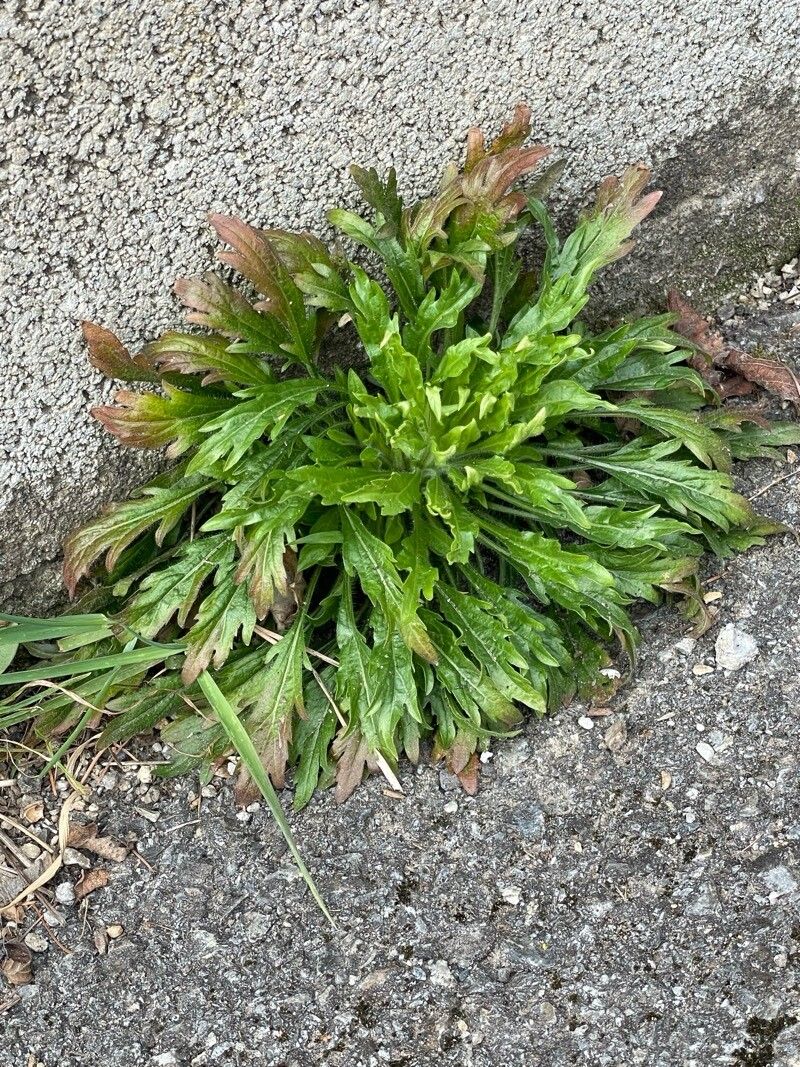
Hello, fellow garden enthusiasts! It’s so wonderful to connect with you again. Today, we’re diving into the world of Erigeron floribundus, often known as Fleabane. If you love a plant that just keeps on giving, this one’s for you. Its delicate, daisy-like flowers add a charming, airy touch to any garden border or container. And the best part? It’s a real joy to propagate! I find it’s a fantastic plant for beginners looking to expand their collection without breaking the bank.
The Best Time to Start
When it comes to coaxing new life from existing plants, timing is everything. For Erigeron floribundus, I’ve found the late spring to early summer is truly the sweet spot. This is when the plant is in active growth, meaning it’s full of vigor and ready to lend a hand (or rather, a stem!) in creating new babies. You want to work with healthy, non-flowering stems if possible.
Supplies You’ll Need
Gathering your tools before you begin makes the whole process much smoother. Here’s what I usually have on hand:
- Sharp pruning shears or a clean knife: For taking nice, clean cuttings.
- Rooting hormone powder or gel: While Erigeron can sometimes root without it, this gives you a significant boost.
- A good quality potting mix: I prefer a light, well-draining mix, often with perlite or coarse sand added. A seed-starting mix works beautifully too.
- Small pots or trays: With drainage holes, of course!
- A watering can with a fine rose: To water gently without disturbing your cuttings.
- Plastic bags or a propagator lid: To create a humid environment.
- A spray bottle: For misting.
Propagation Methods
Let’s get our hands dirty! Here are the methods I find most successful for Erigeron floribundus.
Stem Cuttings: My Go-To Method
This is usually my preferred way to propagate Fleabane.
- Take your cuttings: Look for healthy, non-flowering stems. Using your sharp shears or knife, take cuttings that are about 4-6 inches long. Make the cut just below a leaf node (where leaves attach to the stem).
- Prepare the cuttings: Gently remove the lower leaves, leaving just a few at the top. This prevents them from rotting in the soil.
- Apply rooting hormone: Dip the cut end of each cutting into your rooting hormone, tapping off any excess.
- Plant the cuttings: Make small holes in your potting mix using a pencil or your finger. Insert the cut end of each cutting into the hole and gently firm the soil around it. Make sure at least one leaf node is buried under the surface.
- Water gently: Water thoroughly but gently, ensuring the soil is moist but not waterlogged.
- Create humidity: Cover the pots with a plastic bag (you can secure it with a rubber band or prop it up with sticks) or use a propagator lid. This keeps the humidity high, which is crucial for cuttings to root. Place them in a bright spot, but out of direct sunlight.
Division: For Established Plants
If you have an older, established clump of Erigeron, division is a fantastic way to get more plants and also revitalizes the parent plant.
- Gently dig up the plant: In spring or autumn, carefully dig up the entire plant.
- Separate the roots: You can often gently pull the root ball apart with your hands. If it’s dense, use a clean trowel or knife to divide it into smaller sections, ensuring each section has roots and some foliage.
- Replant immediately: Replant the divisions in their desired locations or into pots with fresh soil. Water them well and keep them consistently moist for the first few weeks.
The “Secret Sauce” (Pro Tips)
Every plant has its quirks, and Erigeron floribundus is no different. Here are a few little things I’ve learned over the years:
- Mist, but don’t drown: While humidity is key for cuttings, avoid letting the leaves sit in water, especially if they’re in a propagator. This is a fast track to rot. A light misting every day or two is usually sufficient, along with the cover.
- Bottom heat is your friend: If you’re struggling with rooting, popping your tray of cuttings on a gentle heat mat can make a huge difference. It encourages root development from below, giving those roots a lovely warm boost to get going.
- Patience with the ‘bendy’ stems: Sometimes, Erigeron cuttings can look a bit sad and floppy, even with humidity. Don’t despair too quickly! As long as the leaves haven’t completely turned yellow or black, give them a bit more time. They can be surprisingly resilient.
Aftercare & Troubleshooting
Once you start to see new growth pushing through or feel a gentle tug when you lightly pull on a cutting, you know roots are forming!
- Acclimatize: Once your cuttings have a good root system, it’s time to gradually remove the plastic cover or propagator lid over a week or so. This helps them adjust to lower humidity levels.
- Potting up: When the new plants are sturdy enough to handle, pot them into individual, slightly larger pots with your regular potting mix. Water them well.
- Keep them moist: Young plants need consistent moisture, especially in their first year. Avoid letting them dry out completely.
- Watch for rot: The most common sign of failure is rot. If your cuttings turn black and mushy, or if new plants wilt suddenly and die, it’s usually a sign of overwatering or poor drainage. Make sure your soil mix is airy and your pots have good drainage.
There you have it! Erigeron floribundus is a rewarding plant to propagate, and with a little care and these tips, you’ll be on your way to a garden overflowing with these cheerful blooms. Be patient, enjoy the process of watching new life emerge. Happy gardening!
Resource:
https://identify.plantnet.org/k-world-flora/species/Erigeron%20floribundus%20(Kunth)%20Sch.Bip./data