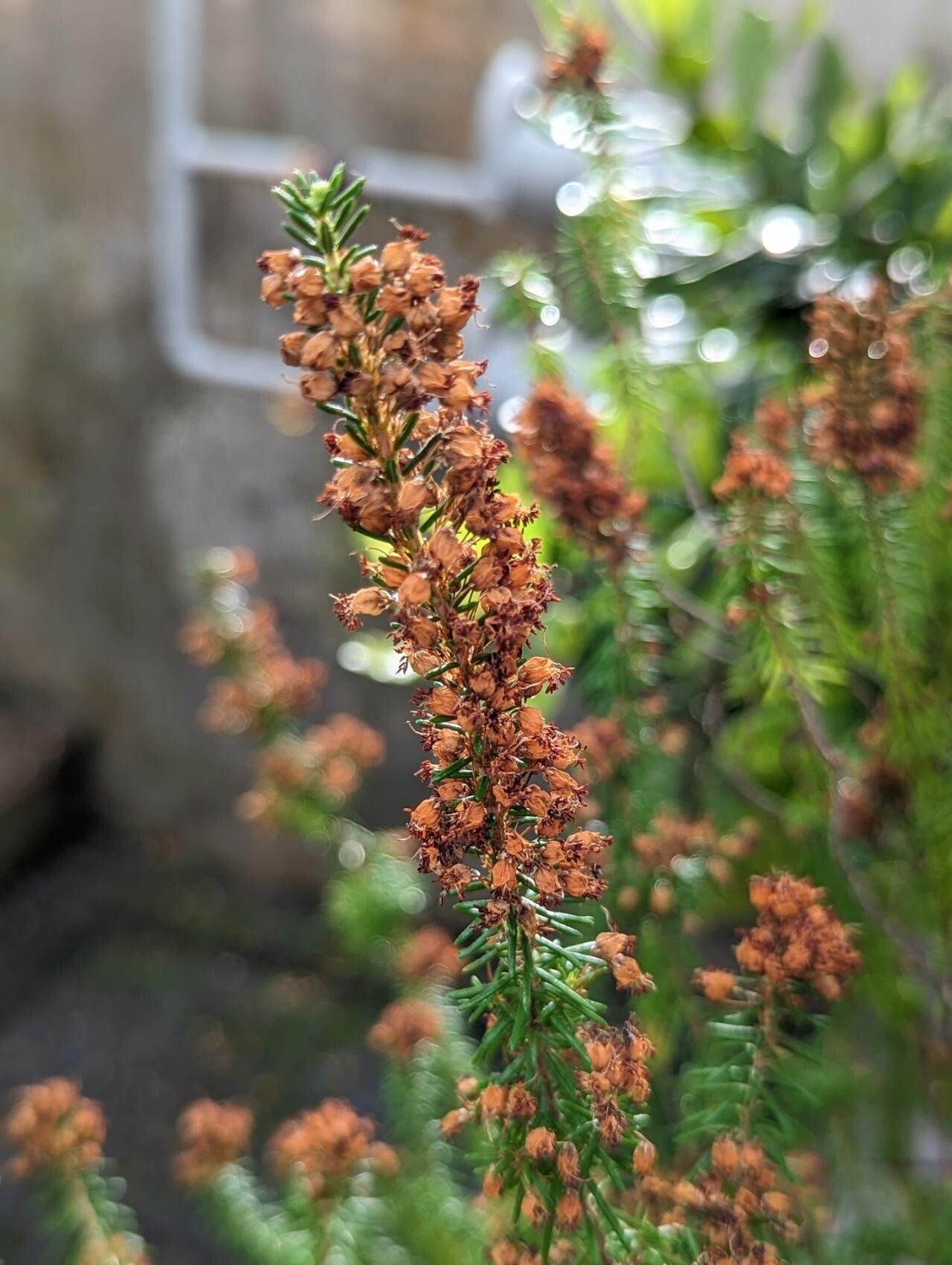
Well hello there, fellow plant lovers! If you’ve ever seen a clump of Erica manipuliflora, with its delicate, wispy blooms and lovely evergreen foliage, you know why it’s such a charmer. I’ve been growing and gardening for two decades now, and I find the process of coaxing new life from a beloved plant incredibly rewarding. And I’m so glad you’re here to learn how to propagate this particular gem. Now, I want to be honest with you: while it’s not the absolute easiest plant to start from scratch for a complete novice, with a little patience and these tips, you’ll find it’s absolutely manageable. It’s a journey I’m eager to share with you!
The Best Time to Start
When it comes to Erica manipuliflora, timing is definitely key. For the highest success rate, I’ve found that taking cuttings is best done late spring to early summer. This is when the plant has finished its main flush of flowering and is actively putting on new, semi-hardy growth. You’re looking for stems that are firm but not yet woody – think of a pencil in terms of thickness. Avoid really soft, new growth or old, hard, woody stems.
Supplies You’ll Need
Before we get our hands dirty, let’s gather our tools. Having everything ready makes the whole process much smoother.
- Sharp Pruning Shears or a Craft Knife: Cleanliness is crucial to prevent disease.
- Rooting Hormone: A good quality powder or gel can significantly boost your success.
- Well-Draining Potting Mix: A mix specifically for ericaceous plants (like those for blueberries or rhododendrons) is ideal. You can also make your own by combining equal parts peat moss, perlite, and coarse sand.
- Small Pots or Trays: Clean containers with drainage holes are a must.
- Plastic Bags or a Propagator: To create a humid environment.
- Watering Can with a Fine Rose: For gentle watering.
- Labels and a Marker: To keep track of your cuttings!
Propagation Methods: Taking Stem Cuttings
This is my go-to method for Erica manipuliflora, and where I’ve seen the most success.
- Prepare Your Cuttings: Select healthy stems from your mature plant. Using your clean shears or knife, take cuttings that are about 4-6 inches long. Remove the lower leaves carefully, leaving just a few at the very top. This prevents leaves from rotting in the soil.
- Apply Rooting Hormone: Dip the cut end of each stem into your rooting hormone. Gently tap off any excess.
- Plant Your Cuttings: Fill your small pots with your well-draining potting mix. Make a small hole in the center for each cutting using a pencil or your finger. Insert the cuttings, ensuring the bottom leaves are just above the soil line. Gently firm the soil around each cutting to ensure good contact.
- Water Gently: Water the pots thoroughly but gently. You want the soil to be moist but not waterlogged.
- Create Humidity: Place your pots inside a plastic bag (you can use a clear bread bag or a larger food storage bag) or into a propagator. Seal it loosely to allow for some air circulation. This creates a mini-greenhouse effect, keeping the humidity high, which is vital for cuttings.
- Provide Light and Warmth: Place the pots in a bright spot with indirect light. Avoid direct sun, which can scorch the delicate cuttings. A bit of bottom heat from a heat mat can be very beneficial, especially if your home is on the cooler side.
The “Secret Sauce” (Pro Tips)
Here are a few things I’ve learned over the years that can make a real difference:
- Don’t Let the Leaves Touch the Water: If you’re attempting water propagation (which I find less successful for Erica, but some try), ensure no leaves are submerged. They will rot and foul the water, often killing the cutting.
- Use Bottom Heat: I can’t stress this enough! Erica manipuliflora really thrives with a little warmth from below. It encourages root formation much faster and more reliably than just ambient room temperature. You can buy small, inexpensive propagation heat mats online.
- Mist Regularly (But Don’t Drench): While the plastic bag or propagator creates humidity, giving the inside surfaces a light mist every few days can help keep things nice and moist without making the soil soggy.
Aftercare & Troubleshooting
Once your cuttings have rooted – this can take anywhere from 4-8 weeks, sometimes longer – you’ll start to see new growth at the tip. You can also gently try to tug on a cutting; if there’s resistance, roots are forming!
- Acclimatize: Once you see good root development, gradually begin to acclimatize your new plants to drier air. Open the plastic bag for a few hours each day, slowly increasing the time over a week or two before removing it completely.
- Potting On: When your cuttings have a decent root system and are actively growing, you can pot them on into slightly larger individual pots using that same ericaceous mix.
- Watch for Rot: The biggest enemy of cuttings is rot. If you see black, mushy stems or the leaves turning yellow and falling off very quickly, it’s usually a sign of too much moisture and poor air circulation. Sadly, these usually can’t be saved. Ensure your soil is free-draining and you’re not overwatering.
A Little Patience Goes a Long Way
And there you have it! Propagating Erica manipuliflora is a delightful way to multiply these beautiful plants and share them with friends. Be patient with the process. Not every cutting will be a success, and that’s perfectly okay. Each attempt is a learning experience, and soon you’ll be a pro. Enjoy the journey, and happy growing!
Resource:
https://identify.plantnet.org/k-world-flora/species/Erica%20manipuliflora%20Salisb./data