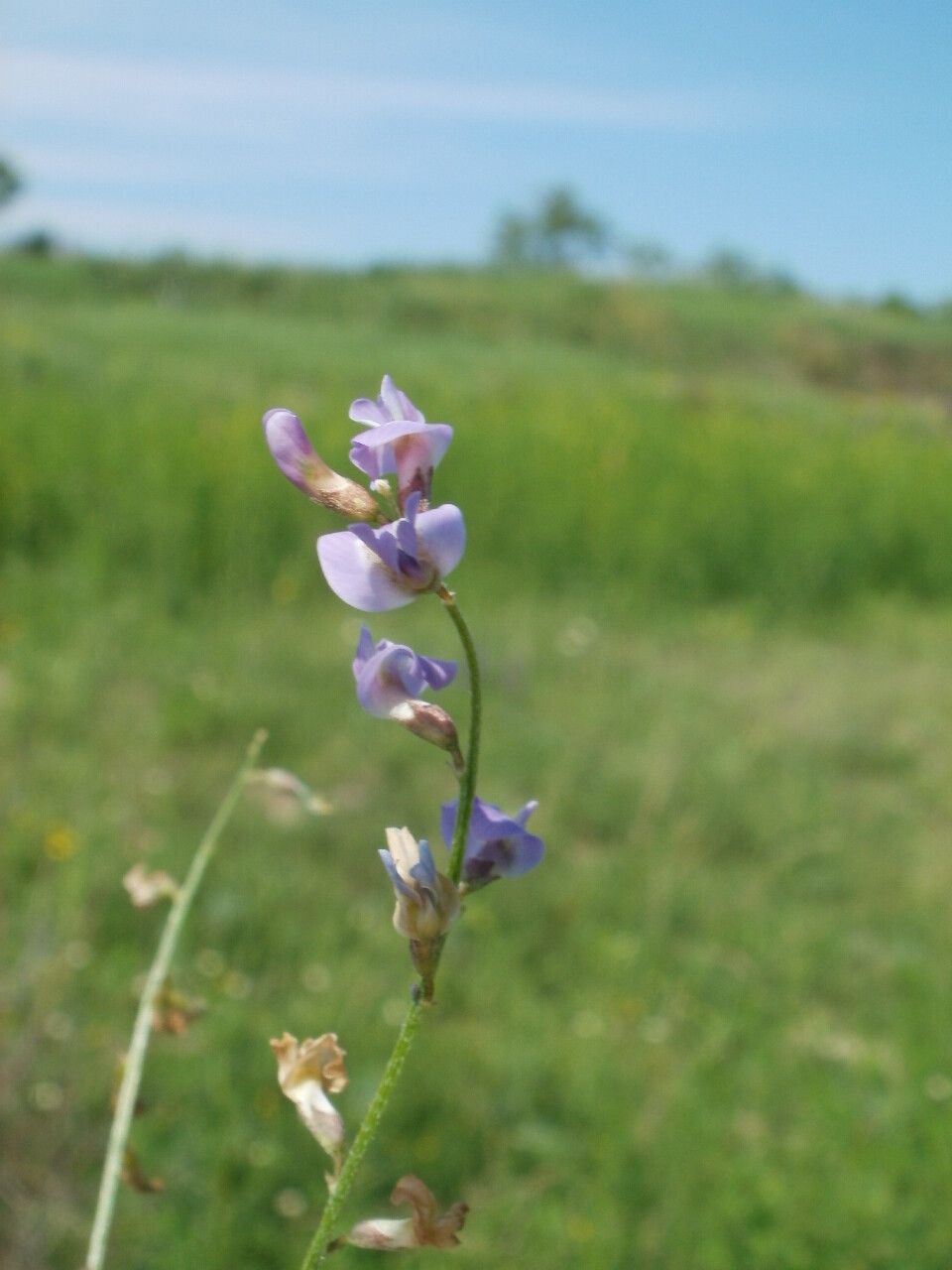
Hey there, fellow garden lovers! Today, we’re going to dive into the wonderful world of propagating Astragalus austriacus. I’ve been growing and sharing this beauty for years, and let me tell you, there’s something incredibly satisfying about coaxing new life from a beloved plant. Astragalus austriacus, with its delicate foliage and charming little flowers, is a real gem. It’s not the absolute easiest plant for a total beginner, but with a little patience and these tips, you’ll be well on your way to success. Trust me, the reward of seeing those tiny roots emerge is absolutely worth it.
The Best Time to Start
Timing is everything in gardening, and for Astragalus austriacus, the sweet spot for propagation is typically late spring to early summer. You want to catch the plant when it’s actively growing but before the intense heat of midsummer sets in. This gives your new cuttings or divisions a good chunk of the growing season to establish themselves before cooler weather arrives.
Supplies You’ll Need
Before we get our hands dirty, let’s gather our arsenal. Here’s what you’ll want to have on hand:
- Sharp, clean pruning shears or a sharp knife: For making clean cuts to minimize damage and disease.
- Rooting hormone (optional but recommended): This can significantly boost your success rates, especially for stem cuttings.
- Well-draining potting mix: A good recipe is a blend of equal parts peat moss or coco coir, perlite, and vermiculite. Or, you can buy a good quality seed starting mix.
- Small pots or propagation trays: Clean containers with drainage holes are essential.
- A spray bottle with water: For misting.
- Plastic bags or a clear plastic dome: To create a humid environment for cuttings.
- A shallow tray (for water propagation): If you choose that method.
Propagation Methods
Astragalus austriacus can be propagated quite successfully using a couple of our favorite methods. Let’s walk through them.
Stem Cuttings
This is a fantastic way to get lots of new plants from a parent specimen.
- Take cuttings: In late spring or early summer, select healthy, non-flowering stems from your Astragalus austriacus. Using your sharp shears, cut stems about 3-4 inches long, just below a leaf node (where a leaf meets the stem).
- Prepare the cuttings: Gently remove the lower leaves from the stem, leaving just a couple of leaves at the top. If you’re using rooting hormone, dip the cut end of the stem into the powder, tapping off any excess.
- Plant the cuttings: Fill your small pots or trays with your well-draining potting mix. Make a small hole in the center with your finger or a pencil. Carefully insert the stem cutting into the hole, ensuring the lower leaf nodes are below the soil surface. Gently firm the soil around the cutting.
- Create humidity: Water the soil lightly. Then, cover the pots with plastic bags or a clear plastic dome to create a mini-greenhouse effect. Make sure the plastic doesn’t touch the leaves if possible. Place the pots in a bright location, but out of direct sunlight.
Division
If your Astragalus austriacus has grown into a nice clump, division is a wonderful way to get a larger, more established plant right away.
- Excavate the plant: In late spring, when the plant is actively growing, gently dig up the entire clump. You can do this by loosening the soil around the base and lifting it carefully.
- Gently separate the crowns: If the root system is dense, you might need to use a clean trowel or even your hands to gently tease apart the root ball. Look for natural divisions where new shoots are emerging from the main root.
- Replant immediately: Once you have divided the clump into smaller sections (each with healthy roots and a few shoots), plant them directly into your garden beds or pots filled with your well-draining soil. Water them in well.
The “Secret Sauce” (Pro Tips)
Here are a few little tricks I’ve learned over the years that can make all the difference:
- Bottom heat is your friend: For stem cuttings, especially if your house is a bit on the cooler side, placing your pots on a gentle heat mat can significantly speed up root development. You don’t want it too hot, just a nice, consistent warmth.
- Don’t let those leaves drown: If you’re doing stem cuttings or any propagation where leaves might touch water (like if you’re using a propagator with a water reservoir), make sure the leaves are well above the water line. Rot can set in fast if those leaves are constantly wet.
- Patience is truly a virtue: I know, I know, we want to see roots yesterday! But for Astragalus austriacus, it can take several weeks, sometimes even a couple of months, for cuttings to show signs of rooting. Resist the urge to keep pulling them up to check! You’ll disturb any developing roots.
Aftercare & Troubleshooting
Once your cuttings have started to root (you might see new leaf growth, or a gentle tug will show resistance), it’s time for a little more focused care.
- Acclimatize: Before removing the plastic completely, gradually reduce the humidity over a few days. You can do this by opening the bag or dome for longer periods each day. This helps the new plant adjust to ambient humidity.
- Watering: Water consistently, but avoid overwatering. The soil should be kept moist but not soggy. Let the top inch of soil dry out slightly between waterings.
- Feeding: Once your new plants are well-established and showing good growth, you can introduce a diluted liquid fertilizer every few weeks during the growing season.
Now, about troubleshooting. The most common foe here is rot. If your cuttings turn black and mushy at the base, it’s usually a sign of too much moisture and not enough air circulation. Ensure your potting mix is airy and that you have good drainage. If you see fuzzy mold on the surface, try to gently scrape it off and improve ventilation.
A Little Encouragement for Your Journey
Propagating plants is one of the most rewarding parts of gardening, if you ask me. It’s a chance to connect with nature on a deeper level, to understand the life cycles of your favorite plants, and to fill your garden with more beauty. Be patient with your Astragalus austriacus cuttings. Observe them, learn from them, and most importantly, enjoy the process. Happy propagating!
Resource:
https://identify.plantnet.org/k-world-flora/species/Astragalus%20austriacus%20Jacq./data