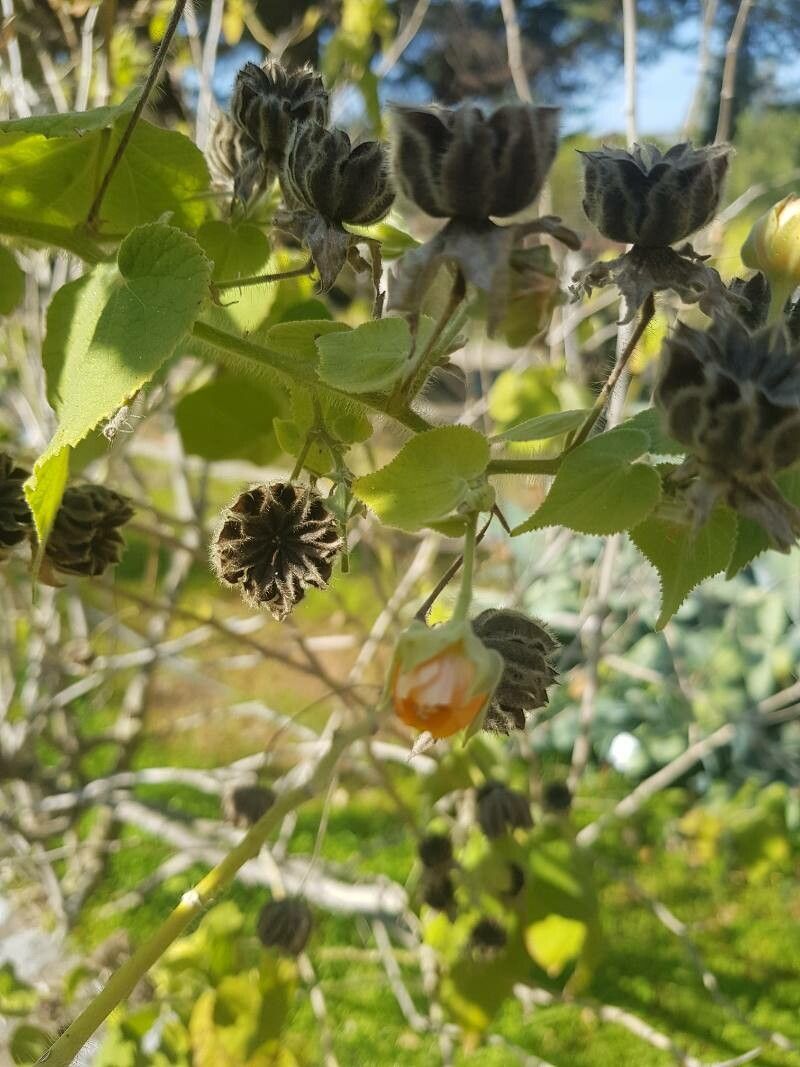
Oh, Abutilon mollissimum! I’m so glad you asked about this one. It’s a plant that truly captures your heart with its soft, velvety leaves and delicate, bell-shaped flowers. Bringing a new one into your garden from your existing plants is such a wonderful feeling, like sharing a little piece of your green magic. For new gardeners, I’d say it’s moderately easy. Nothing too tricky, but a touch of patience goes a long way.
The Best Time to Start
For the best luck with Abutilon mollissimum, I always recommend starting in the late spring or early summer. This is when the plant is in its most vigorous growing phase. You’ll find the stems are supple and full of life, ready to put down roots. Waiting until after the main flush of spring growth has finished is usually perfect.
Supplies You’ll Need
Before we get our hands dirty, let’s gather our toolkit. Here’s what I always have on hand:
- Sharp Pruning Shears or a Clean Knife: For making clean cuts that heal well.
- Small Pots or Seedling Trays: Clean ones, of course!
- Well-Draining Potting Mix: I like a mix of equal parts peat moss/coir, perlite, and compost. Some gardeners swear by a 50/50 blend of perlite and peat moss for cuttings.
- Rooting Hormone (Optional but Recommended): A powder or gel can really give your cuttings a boost.
- Plastic Bag or Clear Cover: For creating a mini-greenhouse effect.
- Spray Bottle: For misting.
- Labels and a Pen: To remember what you planted where!
Propagation Methods
There are a couple of tried-and-true ways to get new Abutilon mollissimum plants. Stem cuttings are my go-to.
Stem Cuttings
- Select Your Stems: Look for healthy, non-flowering stems from the current year’s growth. They should be firm but still bendy, not woody and stiff. Aim for pieces that are about 4-6 inches long.
- Make the Cut: Using your clean shears, make a clean, angled cut just below a leaf node (where a leaf meets the stem). This is where the roots will want to emerge.
- Prepare the Cutting: Gently remove the lower leaves, leaving just a few at the top. This prevents them from rotting in the soil and encourages root development. If you have a thick stem, you can gently scrape a tiny sliver of the outer layer off the bottom inch of the stem.
- Apply Rooting Hormone: Dip the cut end into your rooting hormone, tapping off any excess.
- Plant Your Cuttings: Fill your small pots with your prepared potting mix. Make a small hole with your finger or a pencil and carefully insert the cutting. Gently firm the soil around it.
- Water and Cover: Water thoroughly until you see water drain from the bottom of the pot. Then, place the pot inside a plastic bag or cover it with a clear dome. This traps humidity, which is crucial for cuttings.
Water Propagation (for the impatient gardener!)
While I prefer soil, some people have success with water.
- Prepare the Cutting: Follow steps 1-3 above for selecting and preparing your stem.
- Submerge: Place the cutting in a glass or jar of clean water, making sure the leaf nodes are submerged but the leaves themselves are above the water line.
- Change Water: Change the water every few days to keep it fresh and prevent rot.
- Roots Will Appear: You’ll start to see tiny white roots emerge. Once they are about an inch long, you can carefully transplant them into your potting mix.
The “Secret Sauce” (Pro Tips)
Here are a few little tricks I’ve picked up over the years:
- Bottom Heat is Your Friend: If you can, place your pots on a gentle heat mat. This encourages root growth from below and can significantly speed up the process. It really makes a difference!
- Don’t Let Leaves Touch the Water: If you’re water propagating, this is key. Any leaves submerged in water are a prime candidate for rot, which will then spread to your cutting. Keep those leaves high and dry!
- A Little Air Circulation Helps: While humidity is vital, too much stagnant air can lead to fungal issues. Open the plastic bag or cover for a few minutes each day to allow for some air exchange. This is often called “venting.”
Aftercare & Troubleshooting
Once you see new growth, that’s a good sign roots are forming! You can gently tug a cutting to feel for resistance; if it feels firm, it’s rooted.
- Gradual Acclimation: If you used a plastic bag, gradually introduce your new plant to open air. Open the bag a little wider each day for a week or so before removing it completely.
- Keep Moist but Not Soggy: Continue to water carefully, allowing the top inch of soil to dry out slightly between waterings.
- Troubleshooting: The most common problem you’ll encounter is rot. If your cutting turns mushy or black, it’s unfortunately a goner. This is usually due to too much moisture and not enough air circulation. If you see yellowing leaves, it could be a sign of stress or inconsistent watering. Be patient and observe!
Happy Propagating!
There you have it – a journey into creating more of these lovely Abutilon mollissimum plants. It’s a rewarding process that connects you even more deeply with your garden. Don’t be discouraged if not every cutting takes; gardening is a constant learning curve, and each attempt teaches you something new. Enjoy every step, and soon you’ll have an abundance of these beauties to share!
Resource:
https://identify.plantnet.org/k-world-flora/species/Abutilon%20mollissimum%20(Cav.)%20Sweet/data