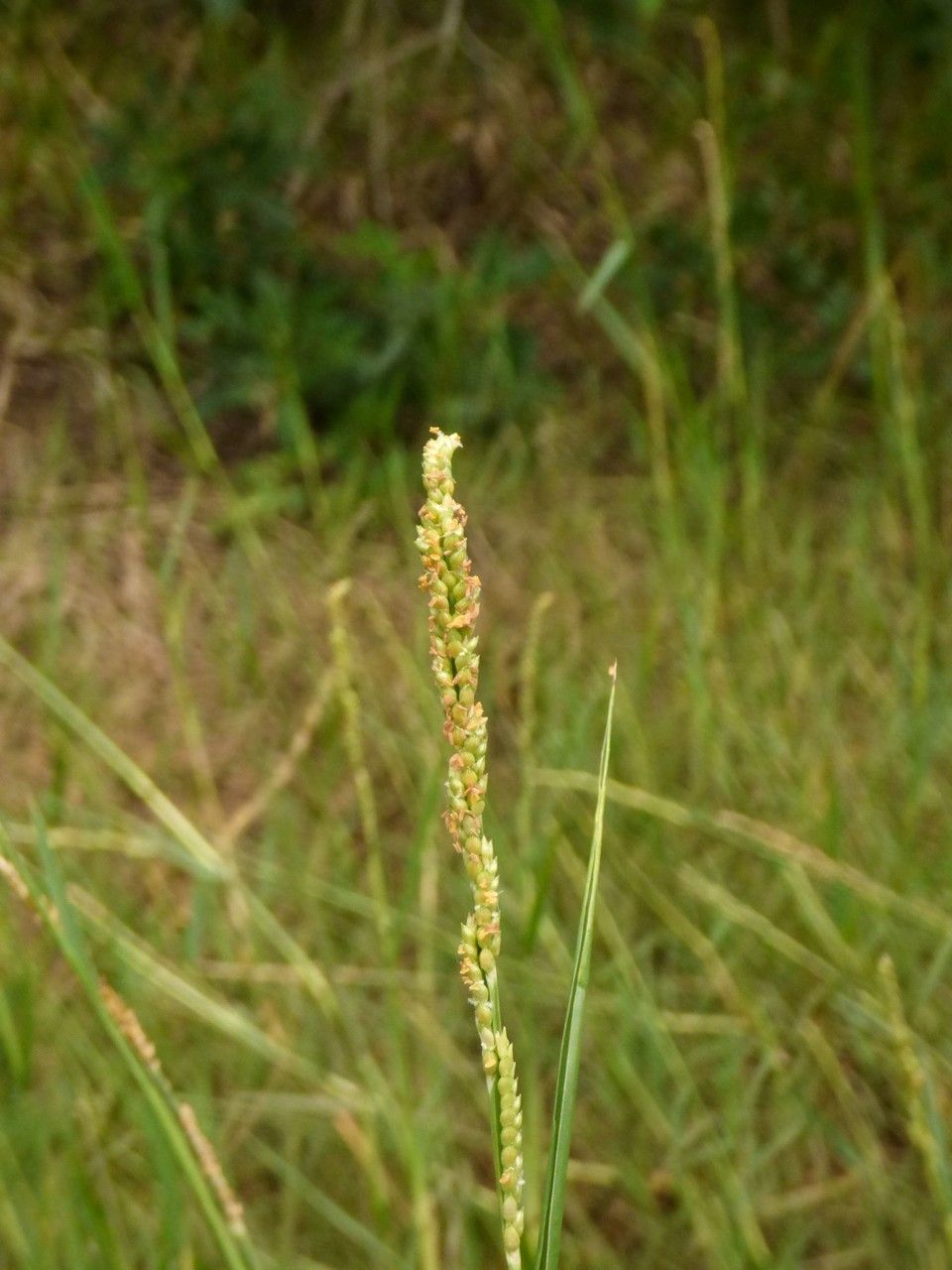
Hello fellow plant lovers! Today, we’re diving into the wonderful world of propagating Setaria geminata. If you’re not familiar with this beauty yet, imagine a cascade of delicate, feathery seed heads that shimmer and sway in the breeze, adding a touch of ethereal charm to any garden. It’s truly a showstopper, and the joy of bringing more of these graceful grasses into your life is immense. Good news for beginners: this one is quite forgiving, making it a fantastic plant to get your propagation feet wet!
The Best Time to Start
For the absolute highest chance of success with Setaria geminata, your best bet is late spring or early summer. This is when the plant is actively growing and has plenty of energy to put into developing new roots. You can also propagate from divisions in early spring as soon as the ground thaws, but if you’re looking for sheer vigor, aim for those warmer months.
Supplies You’ll Need
Gathering your tools makes the process so much smoother. Here’s what I’ve found essential:
- Sharp pruning shears or a clean knife: For making clean cuts to avoid damaging the stems.
- A well-draining potting mix: A blend of peat moss, perlite, and a bit of coarse sand works beautifully. You want something that won’t hold too much moisture.
- Small pots or trays: Clean, empty containers will do the trick. Anything with drainage holes is key.
- Rooting hormone (optional but recommended): This gives your cuttings a helpful boost. Look for one specifically for herbaceous cuttings.
- A spray bottle: For misting your cuttings and keeping humidity levels up.
- Plastic bags or a propagation dome: To create a mini greenhouse effect.
Propagation Methods
Setaria geminata is wonderfully versatile, and I find division and stem cuttings to be the most reliable methods for this grass.
Division (Spring is Ideal!)
This is probably the easiest way to get started with Setaria geminata.
- Gently dig up the parent plant. Do this in early spring.
- Loosen the soil around the roots with your hands or a trowel.
- Carefully pull the plant apart. Look for natural breaks where you can separate healthy sections, each with its own root system and shoots. If you have a particularly dense clump, you might need to use a clean knife to cut through the rhizomes.
- Replant the divisions immediately into their new homes. Give them a good watering.
Stem Cuttings (Late Spring/Early Summer)
This method is exciting because you can increase your plant numbers significantly.
- Select healthy stems. Look for stems that are actively growing but haven’t yet gone to seed. You want pieces that are about 4-6 inches long.
- Make a clean cut just below a leaf node (where a leaf attaches to the stem). This is the magic spot where roots like to form. Remove any lower leaves, as these will just rot if submerged.
- (Optional) Dip the cut end into rooting hormone. Tap off any excess.
- Insert the cuttings into your prepared potting mix. I like to make a small hole with a pencil first to avoid rubbing off the hormone. Ensure at least one leaf node is buried.
- Water gently to settle the soil around the cuttings.
- Create a humid environment. Cover the pots with a plastic bag (making sure the leaves don’t touch the sides) or place them under a propagation dome. Pop them in a bright spot, but out of direct, scorching sun.
The “Secret Sauce” (Pro Tips)
Here are a few things I’ve learned over the years that make a real difference:
- Don’t let those lower leaves touch the soil or water. This is a fast track to rot, especially with stem cuttings. Keep them trimmed away neatly.
- Bottom heat is your friend. If you have a heat mat specifically for propagation, using it can significantly speed up root development. It mimics the warmth of spring soil.
- Mist diligently. Setaria geminata loves a bit of humidity. A light misting every day or two will keep the leaves from drying out while they’re waiting to root.
Aftercare & Troubleshooting
Once you see signs of new growth or feel a bit of resistance when gently tugging on a cutting, congratulations! Roots are forming.
- Gradually acclimate your new plants to normal humidity. If they’ve been under a dome, lift it for a few hours each day for a week before removing it completely.
- Keep the soil consistently moist but not waterlogged. Water when the top inch of soil feels dry.
- Watch for rot. The most common sign of trouble is a mushy, discolored stem that easily falls apart. This usually means too much moisture and not enough air circulation. If you see this, act quickly by removing affected cuttings and improving drainage. Brown, crispy leaves can indicate it’s too dry or getting too much sun.
A Little Patience Goes a Long Way
Growing new plants is such a rewarding journey. Don’t get discouraged if a few don’t make it; it happens to all of us! Enjoy the process, celebrate your successes, and soon you’ll have a whole collection of these lovely Setaria geminata to brighten your garden. Happy propagating!
Resource:
https://identify.plantnet.org/k-world-flora/species/Setaria%20geminata%20(Forssk.)%20Veldkamp/data