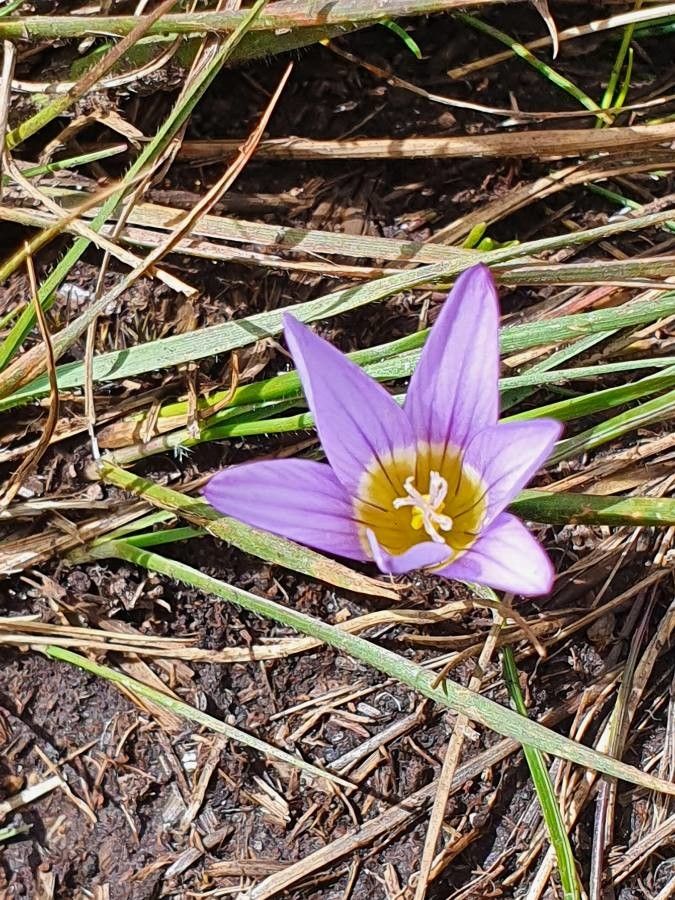
Hello fellow garden enthusiasts! It’s Sarah here, your green-thumbed friend, ready to chat about a truly delightful little plant: Romulea fischeri.
A Tiny Gem Worth Growing
I’ve always been drawn to the charm of Romulea fischeri. These little bulbs produce delicate, star-shaped flowers that can really brighten up a corner of your garden or a pot on the patio. They’re just so dainty and lovely, and the reward of multiplying them yourself is incredibly satisfying. Now, if you’re new to the propagation game, I’d say Romulea fischeri is moderately easy, but with a few key pointers, anyone can have success.
When Does Romulea Fischeri Like to Wake Up?
For Romulea fischeri, the absolute best time to propagate is during its dormant period. This usually happens after the plant has flowered and its foliage begins to yellow and die back. Think late spring or early summer for most climates. Waiting until the plant has truly finished its growth cycle ensures you won’t disturb it while it’s putting all its energy into blooming.
Gather Your Tools
Before we get our hands dirty, let’s make sure we have everything we need. Here’s a quick checklist:
- Well-draining potting mix: A blend for bulbs or a gritty mix of potting soil and perlite/grit is perfect.
- Small pots or trays: Clean containers are a must.
- Sharp trowel or dibber: For gently separating bulbs.
- Label stakes and a waterproof marker: To keep track of what’s what!
- Watering can with a fine rose: To avoid disturbing tiny seedlings.
- Optional: Rooting hormone powder: Can give a boost, though not strictly necessary for Romulea fischeri.
Let’s Get Propagating! The Magic of Division
Romulea fischeri primarily reproduces through bulb division. It’s quite straightforward once you know what you’re doing.
- Gentle Excavation: When your Romulea fischeri has finished blooming and the foliage has died back, it’s time to dig them up. Carefully excavate the bulbs from their current pot or garden bed. Use a trowel to gently loosen the soil around them.
- Clean and Inspect: Gently brush off as much of the old soil as you can. You’ll see the main bulb with smaller offsets, or bulblets, attached. These are your new baby plants!
- The Art of Separation: This is the crucial step. Using your fingers or a small, sharp knife if they’re really tightly attached, gently separate the bulblets from the parent bulb. Try to keep a tiny bit of the base of the bulblet intact. It’s okay to leave them attached if they’re very small; they often grow larger over time.
- Planting Your New Treasures: Place your separated bulbs in your prepared pots or trays. I like to plant them about as deep as they are tall, or slightly deeper. Give them a little space, as they will grow.
- Water Wisely: Water them in gently. You want the soil to be moist but not waterlogged. Place them in a bright spot, but out of direct, harsh sunlight for the first week or so.
My “Secret Sauce” Tips
Over the years, I’ve learned a few tricks that make all the difference.
- Don’t Rush the Dormancy: I know it’s tempting to poke around at your bulbs, but truly wait until the foliage has completely faded. This signals that the bulb has stored enough energy to withstand division and replanting. Trying to divide too early can stress the plant and reduce your success rate.
- Air Circulation is Key: Especially after you plant your new bulbs, ensure good air circulation around them. This helps prevent rot, which is the enemy of bulbs, especially when they’re establishing. If you’re using trays, consider placing them on a shelf where air can move freely underneath.
After You’ve Planted and What to Watch For
Once your bulbs are snug in their new pots, water them lightly and place them in a bright spot. Keep the soil consistently lightly moist, but never soggy. You might not see much action above ground for a while. Romulea fischeri can be a bit slow to show new growth, so be patient!
If you see mushy, blackening bulbs, that’s a clear sign of rot. This usually means the soil is too wet or the drainage isn’t sufficient. If you catch it early, you might be able to save them by removing the affected parts and repotting in fresh, dry, well-draining soil. However, sometimes it’s a loss, and that’s part of gardening. Don’t get discouraged!
Go Forth and Grow!
Propagating Romulea fischeri is a wonderful way to expand your collection and share the joy of these delicate blooms. Remember to be patient, observe your plants, and enjoy the process. Each new seedling is a little victory. Happy growing, friends!
Resource:
https://identify.plantnet.org/k-world-flora/species/Romulea%20fischeri%20Pax/data