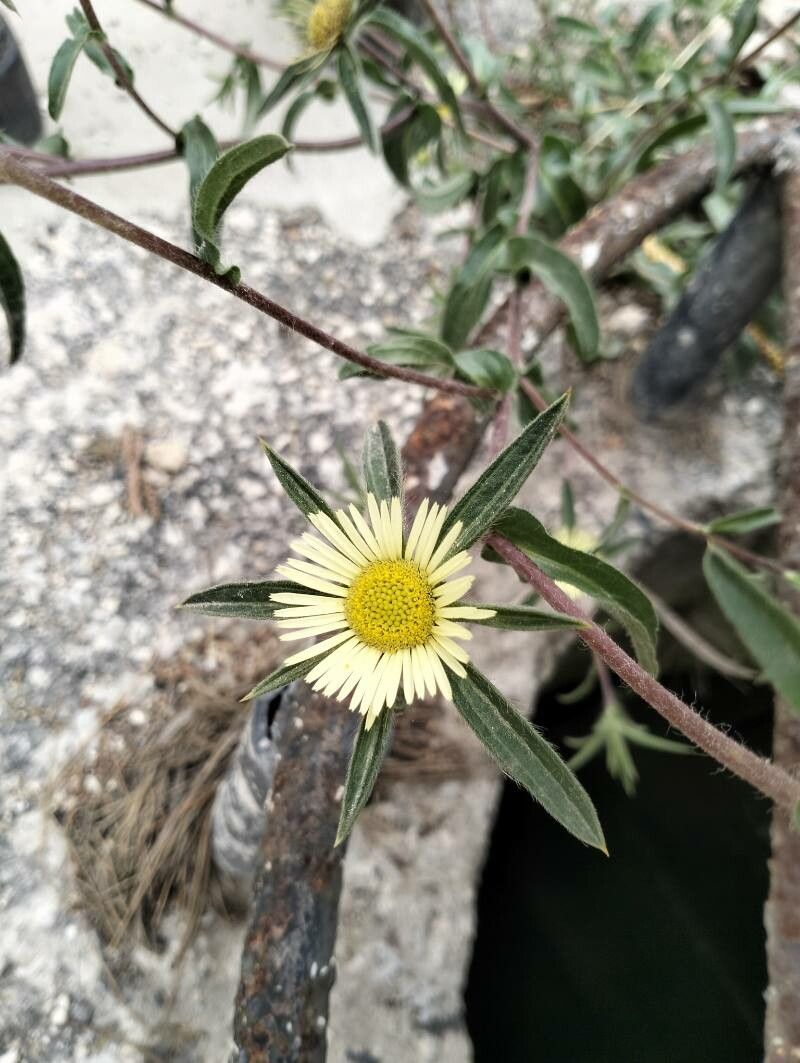
Oh, hello there! Pull up a chair and let’s chat about one of my favorite sunshine-loving plants: Pallenis cuspidata, often called the yellow everlasting or Mediterranean daisy. If you’ve ever seen these cheerful little plants blooming their hearts out, you know why they’re so special. They offer this wonderful pop of sunny yellow, and they’re practically maintenance-free once they’re established. Plus, they dry beautifully, bringing that bit of summer indoors long after the last bloom has faded.
Now, about propagating them – I’m happy to tell you that sharing the joy of Pallenis cuspidata is quite achievable, even for those of you just dipping your toes into the world of plant propagation. It’s a satisfying project, and soon you’ll have more of these delightful blooms to share with friends or fill your own garden.
The Best Time to Start
Honestly, the sweetest spot for propagating Pallenis cuspidata is when things are really humming along in the garden. Late spring to early summer is generally your golden window. This is when the plant is actively growing, meaning it’s full of vigor and ready to channel that energy into creating new roots. You want to take cuttings from stems that are neither brand new and floppy, nor old and woody. Look for stems that have a bit of stiffness but are still actively putting out new growth.
Supplies You’ll Need
Here’s what you’ll want to have on hand before you get started. It’s always good to be prepared!
- Sharp Pruning Shears or a Craft Knife: Cleanliness is key here to prevent disease.
- Rooting Hormone (Optional, but Recommended): This gives your cuttings a little boost. I tend to go for a powder or gel.
- Small Pots or Seed Trays: Anything that will hold your potting mix and cuttings.
- Well-Draining Potting Mix: A standard seed-starting mix or a blend of peat moss and perlite (about 50/50) works beautifully. You want it to be airy so roots don’t drown.
- Watering Can or Spray Bottle: For gentle watering.
- Plastic Bags or a Propagator (Optional): To create a humid environment.
Propagation Methods
We’ll focus on the most straightforward way to get more Pallenis cuspidata – stem cuttings. It’s tried and true!
Stem Cuttings:
- Select Your Source Plant: Find a healthy, mature Pallenis cuspidata plant that has plenty of growth.
- Take Your Cuttings: Using your sharp shears or knife, cut stems that are about 4-6 inches long. Make your cut just below a leaf node (where a leaf attaches to the stem). This is where those magic rooting hormones are concentrated.
- Prepare the Cuttings: Gently remove the lower leaves from the bottom half of each cutting. This prevents them from rotting once they’re in the soil and also reduces moisture loss. If your cuttings have any flowers or buds, nip them off too. Any energy spent on blooming is energy not spent on rooting!
- Apply Rooting Hormone (If Using): Dip the cut end of each stem into your rooting hormone. Tap off any excess.
- Plant Your Cuttings: Fill your pots or trays with your damp potting mix. Make small holes in the mix with a pencil or your finger, and insert the cut ends of your cuttings. Gently firm the soil around them to ensure good contact. You can fit quite a few cuttings into a small pot, giving them a little space.
- Water Gently: Give them a light watering or a gentle misting to settle the soil.
The “Secret Sauce” (Pro Tips)
Now, for a couple of little tricks I’ve picked up over the years that can really make a difference.
- The Power of Humidity: Pallenis cuspidata loves a bit of moisture in the air while it’s trying to root. After planting your cuttings, I highly recommend covering the pots with a clear plastic bag or placing them in a small propagator. This creates a mini-greenhouse effect and keeps the humidity high, which is crucial for successful establishment. Just make sure the leaves aren’t touching the plastic if possible – a few small twigs or stakes can help prop it up.
- Feel the Warmth: While not strictly essential, giving your cuttings a little warmth from below can speed things up considerably. Place your pots on a heated propagator mat if you have one. If not, a sunny windowsill that gets good warmth without baking them is usually sufficient. Just keep an eye on soil moisture.
Aftercare & Troubleshooting
Once your cuttings are nestled in their new homes, the waiting game begins!
- Keep Them Moist but Not Soggy: Water regularly, but only when the top inch of soil feels dry. Overwatering is the quickest way to invite rot. A good misting with a spray bottle is often best.
- Watch for Roots: It can take anywhere from 2 to 6 weeks for roots to form. You can gently tug on a cutting; if you feel resistance, that’s a good sign roots are developing. You might also see tiny new leaves appearing.
- Signs of Trouble: The most common issue is rot. If a cutting turns mushy and black, it’s unfortunately not going to make it. This is usually a sign of too much moisture and not enough airflow. Discard any rotted cuttings immediately to prevent it from spreading. If you don’t see any signs of growth after several weeks, the cuttings may have failed. Don’t get discouraged – just try again! Sometimes, a bit of trial and error is part of the fun.
A Little Encouragement to Finish
Propagating plants is a journey, not a race. Be patient with your little Pallenis cuspidata cuttings. Even if not every single one takes, the ones that do will be a source of immense satisfaction. There’s something truly magical about nurturing a tiny new plant from a piece of its parent. So go ahead, get your hands dirty, and enjoy the process of growing more of that glorious sunshine!
Resource:
https://identify.plantnet.org/k-world-flora/species/Pallenis%20cuspidata%20Pomel/data