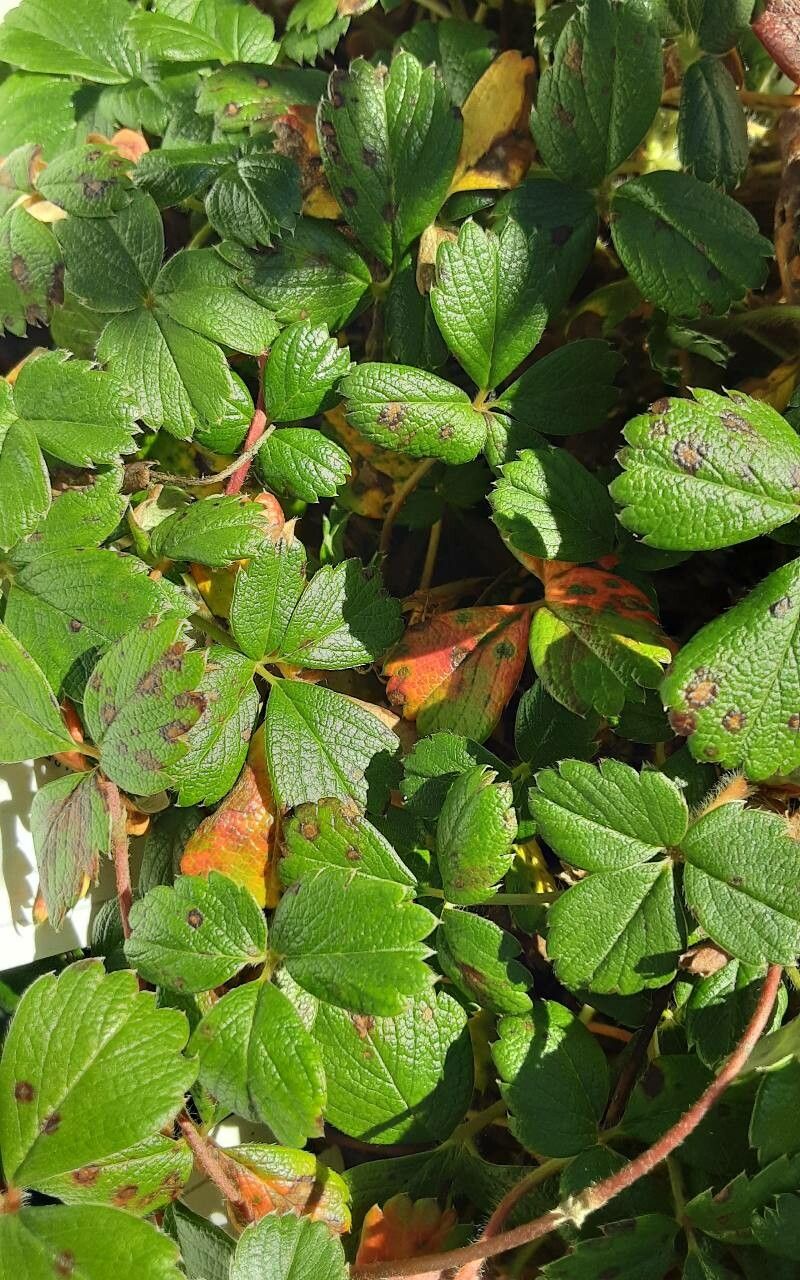
Oh, hello there! Let’s chat about one of my favorite garden companions: Fragaria chiloensis, or what many of us fondly call the beach strawberry. This little groundcover is an absolute gem. It’s a fantastic low-maintenance option for sunny spots, creeping along with beautiful, glossy green leaves and, yes, the sweetest, most intensely flavored tiny strawberries you’ve ever tasted. They’re not the gigantic supermarket kind, mind you, but bursting with a pure, wild strawberry essence.
If you’ve ever admired how this strawberry spreads, you’re in luck! Propagating it is not only incredibly rewarding, but it’s also wonderfully straightforward. I’d say it’s a fantastic project for beginners. You’ll be amazed at how quickly you can fill in bare patches or share these delightful plants with friends.
When Should You Get Started?
The prime time to embark on your Fragaria chiloensis propagation journey is late spring through early summer. This is when the plant is actively growing and sending out plenty of those runners, which are just begging to be turned into new little plants. Aim for a period when the days are getting longer and warmer, but before the peak heat of summer sets in.
What You’ll Need to Gather
You don’t need a whole lot of fancy equipment. Here’s a simple list to get you prepped:
- Sharp Pruning Shears or Scissors: Cleanliness is key! Make sure they’re sharp so you get a clean cut.
- Pots or Trays: Small pots (3-4 inches) or seed trays with drainage holes work perfectly.
- Potting Mix: A light, well-draining mix is essential. I often use a blend of organic potting soil, perlite, and a little bit of coco coir. This prevents waterlogging.
- Rooting Hormone (Optional but helpful): A powdered or liquid rooting hormone can give your cuttings a little boost.
- Dibber or Pencil: For making holes in the soil.
- Watering Can or Spray Bottle: For gentle watering.
Getting Down to Business: Propagation Methods
Fragaria chiloensis is wonderfully generous with its runners. These are horizontal stems that grow out from the main plant and can naturally root wherever they touch soil. We’re essentially just helping them along!
Method 1: Layering Runners (My Favorite!)
This is the most natural and easiest method for beach strawberries.
- Identify a Runner: Look for a long, healthy stem growing out from your parent plant. You want one that’s got a bit of length to it.
- Position the Runner: Gently bend the runner down so that a section of it, ideally with a small leaf node (where a leaf attaches to the stem), is touching the soil. You can secure it with a bent wire (a paperclip works well!) or a small stone to keep it in place.
- “Pin” it Down: Make sure that leaf node is in firm contact with the potting mix. You might even want to make a small nick in the stem at that node; this encourages root development.
- Water Consistently: Keep the soil around the pinned node moist but not soggy. You can mist it gently from time to time.
- Wait and Watch: It usually takes a few weeks for roots to form. You’ll know roots have developed when the runner starts to look a little plumper and you can see a bit of growth from the node.
- Separate and Pot: Once you’re confident roots have formed, use your sharp pruning shears to cut the runner between the parent plant and the new rooted section. You can then carefully dig up your new little strawberry plant and pot it up into its own container.
Method 2: Stem Cuttings (A Little More Hands-On)
This method works best when you have plenty of healthy stems to spare.
- Take Your Cuttings: In late spring or early summer, use your sharp pruning shears to cut healthy stems that are about 4-6 inches long. Make sure each cutting has a few leaves and at least one or two leaf nodes.
- Prepare the Cuttings: Remove the lower leaves from the cutting, leaving just a couple of leaves at the top. This reduces moisture loss.
- Dip in Rooting Hormone (Optional): If you’re using rooting hormone, dip the cut end of the stem into the powder or liquid.
- Plant the Cuttings: Fill your small pots with your prepared potting mix. Use a dibber or pencil to make a hole in the soil for each cutting. Insert the cutting into the hole, ensuring the lower leaf nodes are buried in the soil. Gently firm the soil around the stem.
- Water Gently: Water the pots lightly. You can also mist the cuttings.
- Create a Humid Environment: Cover the pots with a clear plastic bag or place them in a propagation dome. This helps maintain humidity, which is crucial for cuttings to root. Ensure the leaves don’t touch the plastic!
- Provide Light: Place the pots in a bright location but out of direct, harsh sunlight. Too much sun can scorch the delicate cuttings.
- Check for Roots: It can take anywhere from 3-6 weeks to see signs of rooting. Gently tugging on a cutting will tell you if it’s established; if there’s resistance, it’s rooting.
The “Secret Sauce” – My Insider Tips
It’s often the little things that make a big difference, right? Here are a couple of my go-to secret ingredients for successful propagation:
- Don’t Let Leaves Touch the Water (for cuttings): If you’re doing stem cuttings and keeping them in a humid environment, ensure the remaining leaves are not touching the sides of the plastic bag or dome. Any condensation that sits on those leaves can encourage rot. A loose bag or propping the leaves up a bit can prevent this.
- Bottom Heat is Your Friend: While not always essential for Fragaria chiloensis, providing a little gentle warmth from underneath can really speed up root development in cuttings. A simple seedling heat mat placed under your propagation trays works wonders. It encourages cell activity in the roots.
- Patience with Parent Plants: When taking cuttings, don’t strip your main plant completely bare. Ensure the parent plant has enough foliage left to continue photosynthesizing and recovering. Healthy parent plants mean healthier cuttings.
Aftercare and What to Watch For
Once those roots have formed and your new plants are established, they’ll need a little TLC.
- Gradual Acclimation: If you’ve used a plastic dome or bag, slowly start introducing your new plants to the outside air. Remove the cover for a few hours each day, gradually increasing the time until they’re no longer covered.
- Watering: Continue to water your new plants when the top inch of soil feels dry. Avoid overwatering, which can lead to root rot.
- Light: Gradually move your potted plants to a spot where they’ll receive plenty of sunshine, similar to where you want to plant them permanently.
- Transplanting: Once your new plants have several sets of leaves and seem robust, you can transplant them into larger pots or directly into their garden spot.
Troubleshooting: The most common issue you might encounter is rot. This usually happens because the soil has been too wet or the air circulation is poor. If you see stems turning black or mushy, or the leaves wilting dramatically, it’s a sign of rot. Sadly, often these plants can’t be saved, but learning from it is key. Ensure good drainage and air movement for future attempts.
Keep Going, Gardener!
See? It’s really not difficult at all. Propagating Fragaria chiloensis is a wonderful way to expand your strawberry patch, fill in those bare spots, and share the joy of growing your own delicious fruit. Be patient with the process, and don’t be discouraged if a cutting or two doesn’t make it. Every gardener has had those moments! The most important thing is to enjoy the journey of nurturing new life. Happy gardening!
Resource:
https://identify.plantnet.org/k-world-flora/species/Fragaria%20chiloensis%20(L.)%20Mill./data