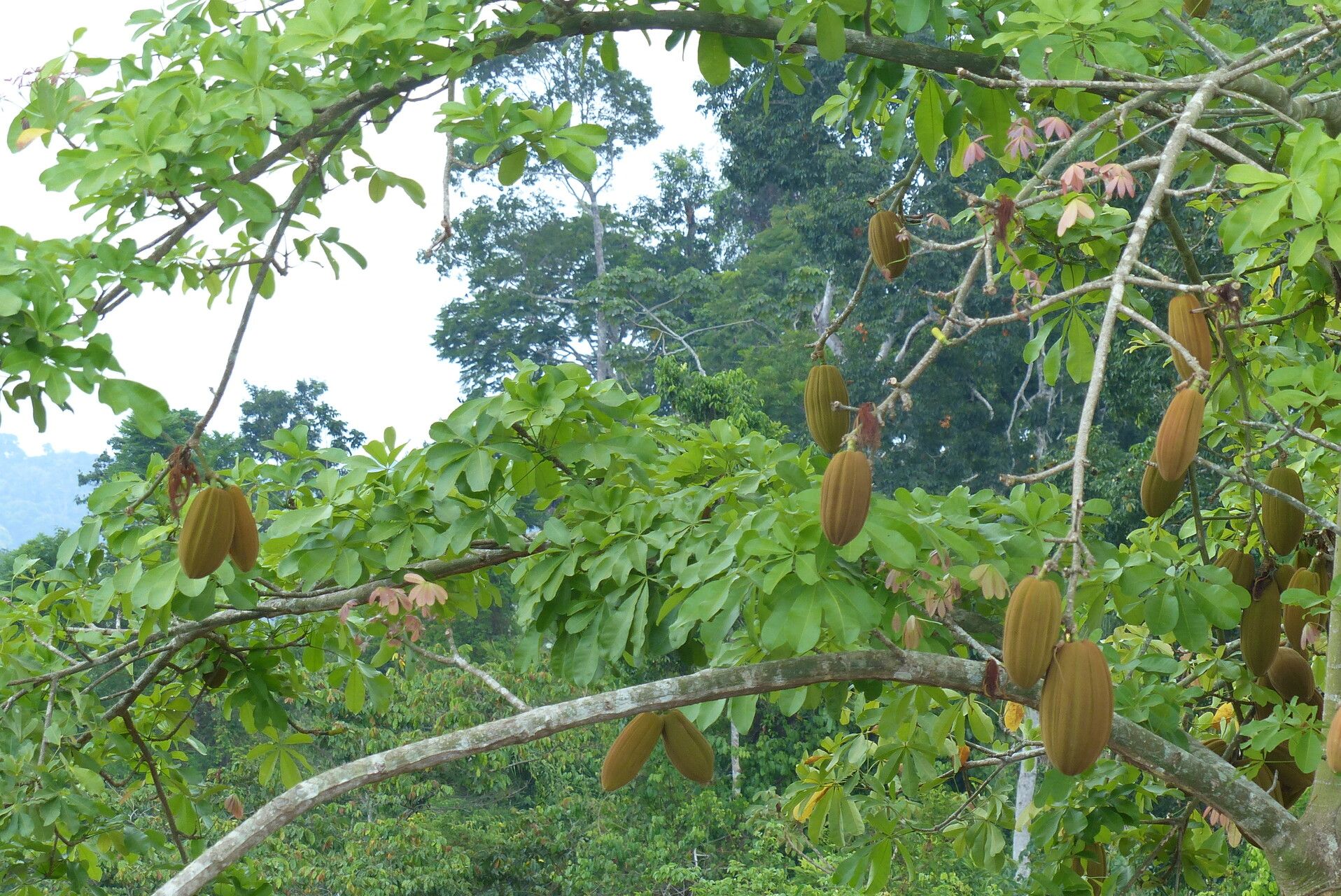
Oh, the magnificent Ceiba pentandra! If you’ve ever seen one of these giants gracing a tropical landscape, you know the kind of awe they inspire. Their massive trunks, often buttressed, and their airy canopy that seems to touch the clouds make them truly special. And the floss (or kapok) they produce? Pure magic!
If you’ve been dreaming of having your own little piece of that magic, you’re in for a treat. Propagating Ceiba pentandra is a wonderful project. Now, I won’t lie to you – it’s not the easiest plant for a complete beginner to get started with, but with a little patience and the right approach, it’s absolutely achievable. And trust me, the reward of nurturing a new life from a cutting is incredibly fulfilling.
The Best Time to Start
For the highest chance of success with Ceiba pentandra, you’ll want to work with new, vigorous growth. This typically means the late spring or early summer is your golden window. You’re looking for stems that have matured a bit from the tip but are still somewhat flexible and green, not woody. Think of it like a young branch that’s filled out but hasn’t hardened off completely.
Supplies You’ll Need
Gathering your tools beforehand makes the whole process smoother. Here’s what I always have on hand:
- Sharp, clean pruning shears or a knife: Essential for making clean cuts that heal well.
- Rooting hormone (optional but recommended): This stuff gives cuttings a real boost. Look for one specifically for woody or semi-hardwood cuttings.
- Potting mix: A well-draining mix is crucial. I like a blend of peat moss, perlite, and a bit of coarse sand. You want it to hold some moisture but not become waterlogged.
- Small pots or containers: Choose something with good drainage holes.
- Plastic bag or humidity dome: To create a mini-greenhouse effect.
- Watering can with a fine rose: For gentle watering.
- Labels and a permanent marker: To keep track of your projects!
Propagation Methods
While Ceiba pentandra can be grown from seed, I find stem cuttings to be a more reliable and common method for home gardeners. It allows you to replicate the parent plant’s characteristics closer.
Propagating by Stem Cuttings:
- Select Your Cuttings: As I mentioned, look for healthy, semi-hardwood stems from your mature plant. Aim for cuttings about 6-8 inches long. Make sure each cutting has at least two or three sets of leaves.
- Make Your Cut: Using your clean pruning shears or knife, make a clean cut just below a leaf node. This is the point where a leaf (or bud) emerges from the stem. New roots will often form from these nodes.
- Prepare the Cutting: Gently remove the lower leaves, leaving just the top two sets. This helps the plant focus its energy on root development rather than leaf maintenance. If the remaining leaves are very large, you can even cut them in half to reduce water loss through transpiration.
- Apply Rooting Hormone (Optional): Dip the cut end of the stem into your rooting hormone, tapping off any excess.
- Potting Up: Fill your pots with your well-draining potting mix. Make a hole in the center of the soil with your finger or a pencil.
- Insert the Cutting: Carefully insert the cut end of the stem into the hole, ensuring the leaf nodes are covered by the soil. Gently firm the soil around the cutting to make sure it has good contact.
- Water Gently: Water thoroughly until you see water draining from the bottom of the pot.
- Create a Humid Environment: This is key! You can either place a clear plastic bag loosely over the pot and cutting, making sure the leaves don’t touch the plastic, or use a humidity dome. This traps moisture, which is vital for the cutting until roots form.
- Placement: Place the pot in a warm, bright location with indirect sunlight. Avoid direct sun, as this can scorch the delicate cutting and overheat the mini-greenhouse.
The “Secret Sauce”
Here are a few tricks I’ve picked up over the years that can really make a difference:
- Bottom Heat is Your Friend: Ceiba pentandra loves warmth. Placing your pots on a heat mat designed for seedlings can significantly speed up root formation. It mimics the warmth of the tropical soil and encourages robust root growth.
- Don’t Drown Them: While humidity is important, overwatering is the quickest way to kill a cutting. The soil should be kept consistently moist, but never soggy. Feel the soil with your finger; if it feels dry an inch down, it’s time to water.
- Be Patient with the “Wiggle Test”: Resist the urge to constantly tug at your cuttings to check for roots. Wait until you see new leaf growth. Then, give the cutting a very gentle wiggle. If you feel resistance, congratulations, it has rooted! Often, this takes several weeks, so don’t despair if you don’t see immediate results.
Aftercare & Troubleshooting
Once your Ceiba pentandra cutting shows signs of new growth – new leaves unfurling, a bit of color returning to the stem – you know roots are forming!
- Acclimatize: Gradually remove the plastic bag or humidity dome over a week or two. Start by taking it off for a few hours a day, then longer periods. This helps the new plant adjust to less humid air.
- Light Needs: Continue to provide bright, indirect light. As the plant grows stronger, you can slowly introduce it to more direct sunlight, but always observe how it reacts.
- Watering: Once rooted, water when the top inch of soil feels dry.
Common Signs of Failure:
- Leaf Drop: Some leaf drop is normal, especially from the lower leaves. However, if all the leaves shrivel up and fall off, it’s usually a sign of insufficient moisture, too much direct sun, or a lack of rooting.
- Rotting: This is the big one. If the stem feels mushy and black at the soil line, it’s likely rot. This is almost always due to overwatering and poor drainage. If you catch it early, you might be able to salvage a healthy section of the stem, but often it’s a lost cause. Always ensure your pots and soil are well-draining to prevent this.
Happy Planting!
Propagating plants is an exercise in patience and observation. Not every cutting will be a success, and that’s perfectly okay. Each attempt teaches you something new. Enjoy the process of nurturing these new little Ceiba pentandra plants, and before you know it, you’ll have your own tropical giants in the making. Happy gardening!
Resource:
https://identify.plantnet.org/k-world-flora/species/Ceiba%20pentandra%20(L.)%20Gaertn./data