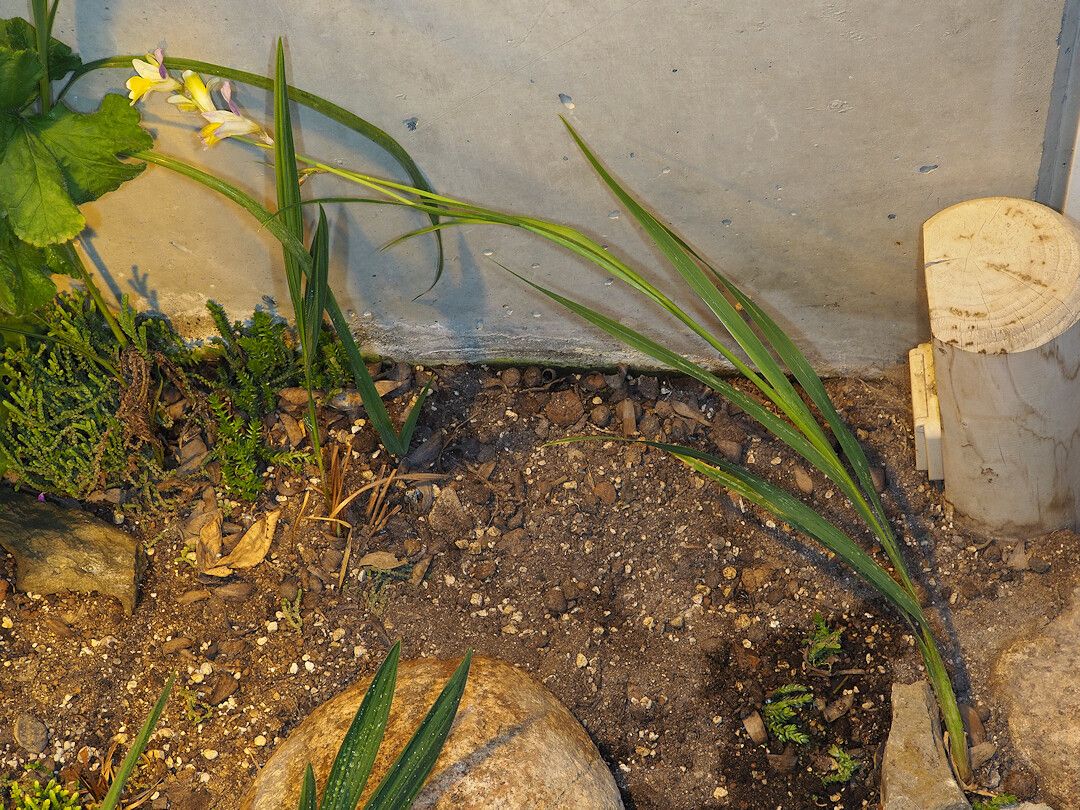
Hello there, fellow plant enthusiasts! Today, we’re diving into the delightful world of propagating Sparaxis auriculata, also known as the Dwarf Spotted Warrior. If you’re looking for a splash of cheerful color and a bit of architectural intrigue in your garden, this little gem is an absolute winner. Its star-shaped flowers, often adorned with striking markings, bring a unique charm that’s hard to resist. And let me tell you, multiplying these beauties is incredibly rewarding. For beginners, Sparaxis can be a touch fiddly, but with a little patience and the right guidance, you’ll be well on your way to success.
The Best Time to Start
Timing is everything when it comes to giving your new Sparaxis the best chance to thrive. I’ve found that the sweet spot for propagation is late summer to early autumn. This is typically after the plant has finished flowering and is entering a period of dormancy or slowing growth. You’ll want to work with healthy, mature plants. Waiting until the foliage has started to yellow and die back naturally is a good indicator that the underground corms are ready for division.
Supplies You’ll Need
To get started on your propagation journey, here’s what I always have on hand:
- Well-draining potting mix: A blend of equal parts potting soil, perlite, and coarse sand works wonders. You can also find specialized mixes for bulbs or corms.
- Clean trowel or small spade: For gently lifting and dividing.
- Sharp, clean pruning shears or a knife: Essential for dividing any clumped corms. Sterilize them with rubbing alcohol before and after use to prevent disease.
- Small pots or trays: For repotting your divisions or for starting seeds, if that’s your chosen method.
- Labels and a permanent marker: So you don’t forget what you planted where!
- Optional: Rooting hormone: While not strictly necessary for Sparaxis, it can give an extra boost.
Propagation Methods
Sparaxis is primarily propagated through corm division. It’s quite a straightforward process, and I’ve had great success with it over the years.
Corm Division:
- Gently Excavate: In late summer or early autumn, carefully dig around the base of your established Sparaxis plant. Use your trowel to loosen the soil and tease the plant out of the ground. Try to keep as much of the root ball intact as possible.
- Clean the Corms: Gently brush off excess soil from the corms. You’ll see the main corm, and often, smaller cormlets attached to it or nestled around its base. These are your future plants!
- Separate Wisely: Inspect the corms. If the cormlets are small and tightly attached, you might need to use your sharp knife or pruning shears to carefully cut them away from the parent corm. Aim to leave a small piece of the main corm attached to the cormlet if possible, though it’s not always feasible. Healthy, plump cormlets will have a good chance of survival.
- Inspect for Health: Discard any corms that look mushy, diseased, or are showing signs of rot. Healthy corms will be firm to the touch.
- Plant Your New Babies: Fill your pots or trays with your well-draining potting mix. Plant the separated corms about 2-3 inches deep, with the pointed end facing upwards. Space them a few inches apart so they have room to grow.
- Water Lightly: Give the newly planted corms a light watering. You want the soil to be moist but not waterlogged.
The “Secret Sauce” (Pro Tips)
Now, for a couple of things I’ve learned that can make a big difference:
- Let Them “Cure”: After you’ve divided your corms, especially if you had to cut them apart, it’s a good idea to let them sit out of soil for a day or two in a dry, shaded spot. This allows any cut surfaces to callous over, which helps prevent rot when you replant them. Just keep an eye on them so they don’t dry out completely.
- The Power of Observation: When watering your newly divided corms, be patient. Don’t flood them. I often find that just keeping the soil lightly moist is enough. Overwatering at this stage is the quickest way to invite rot, and no one wants that!
Aftercare & Troubleshooting
Once your Sparaxis divisions are planted, the real magic begins. Keep the soil consistently lightly moist, but never soggy. As new growth appears in spring, you can gradually increase watering. You don’t need to fertilize right away; your corms have all the energy they need to get started.
Now, what if things don’t go as planned? The most common issue you’ll encounter is rot. Signs of rot include mushy, discolored corms and stems that turn black and droop. This is almost always due to overwatering or poor drainage. If you suspect rot, gently dig up the affected corms. If it’s localized, you might be able to cut away the rotted parts and try to replant the healthy bits, but often, it’s best to discard them to prevent the disease from spreading.
A Gentle Encouragement
Propagating Sparaxis auriculata is a wonderful way to multiply your garden’s beauty and extend your enjoyment of these captivating flowers. Remember to be patient; some corms will take longer to establish than others. Don’t be discouraged if a few don’t make it – gardening is a learning process for all of us. Enjoy the quiet satisfaction of nurturing new life, and before you know it, you’ll have an abundance of these spotted warriors gracing your garden. Happy planting!
Resource: