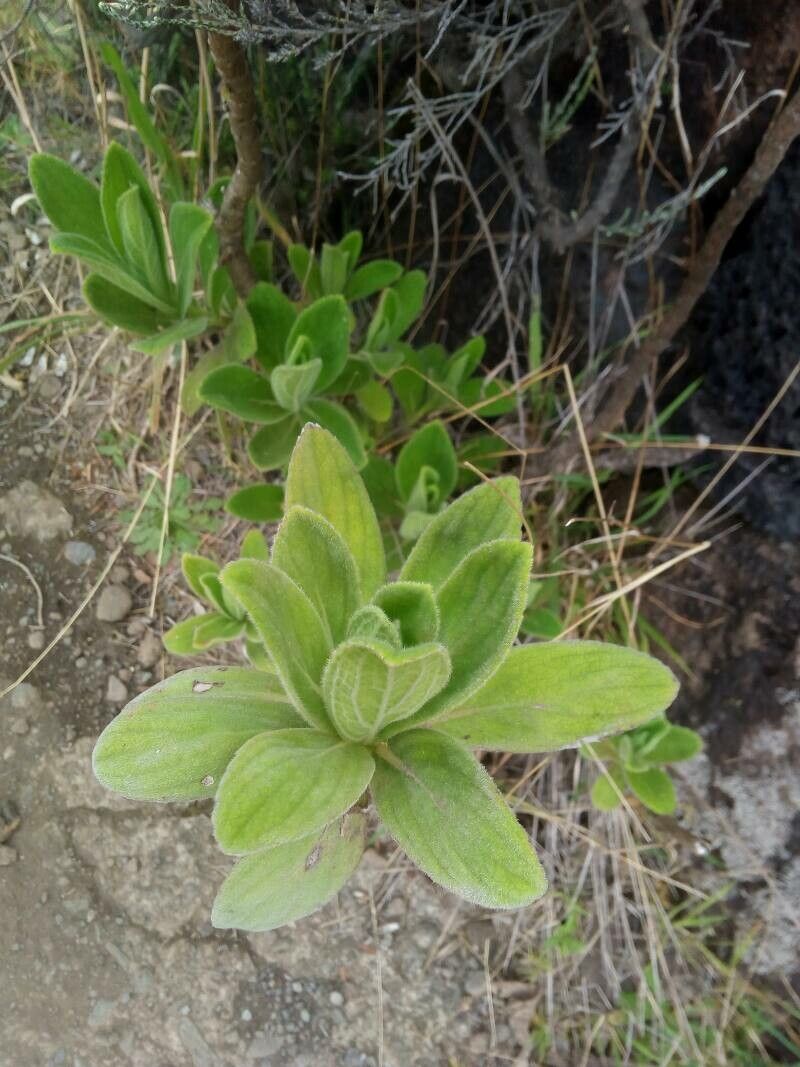
Oh, Psiadia anchusifolia! Isn’t that a darling little plant? I’ve always adored its cheerful, daisy-like blossoms. They bring such a lovely splash of color and a gentle, almost ethereal, presence to any garden. And the fact that you can multiply that joy for free? That’s the true magic of gardening, isn’t it? I’ve found that propagating Psiadia anchusifolia is a wonderfully rewarding experience, and honestly, I think even beginner gardeners can get a good handle on it with a little guidance.
The Best Time to Start
My personal favorite time to get cuttings from Psiadia anchusifolia is in late spring to early summer. This is when the plant is actively growing, and its stems are nice and supple. I find I get the best rooting success when I take cuttings from healthy, new growth that hasn’t flowered yet. Waiting for that active growth phase really gives your new babies the best head start.
Supplies You’ll Need
Before we get our hands dirty, let’s gather our tools. It’s like getting ready for a cozy crafting session, but with a beautiful plant outcome!
- Sharp Pruning Shears or a Clean Knife: Always make sure they are razor-sharp to get a clean cut, which helps prevent disease.
- Rooting Hormone (Optional but Recommended): I like to use a powdered rooting hormone for cuttings. It really gives them an encouraging boost.
- Well-Draining Potting Mix: I typically use a blend of peat moss, perlite, and a bit of compost. You can also find good quality seedling potting mixes.
- Small Pots or Seedling Trays: Clean, empty pots are perfect. Make sure they have drainage holes!
- Plastic Bag or Humidity Dome: To keep things nice and moist around our cuttings.
- Watering Can with a Fine Rose: For gentle watering.
- Labeling Stakes and a Pen: So you don’t forget what you’ve planted where!
Propagation Methods
Psiadia anchusifolia is quite amenable to propagation from stem cuttings, which is my go-to method.
Stem Cuttings
- Take Cuttings: On a mild day, choose a healthy, non-flowering stem. Using your sharp shears, make a clean cut just below a leaf node. A leaf node is where a leaf attaches to the stem. Aim for cuttings that are about 4-6 inches long.
- Prepare the Cuttings: Gently remove the lower leaves from the cutting, leaving just a couple of leaves at the very top. If a leaf is very large, I’ll sometimes cut it in half to reduce water loss.
- Apply Rooting Hormone: Dip the cut end of the stem into your rooting hormone, tapping off any excess. This just gives them a little extra encouragement to get going.
- Plant the Cuttings: Fill your pots with your prepared, moist potting mix. Make a small hole with your finger or a pencil and gently insert the cutting. Firm the soil gently around the base.
- Create a Humid Environment: Place the pot into a clear plastic bag or cover it with a humidity dome. This traps moisture, which is crucial for cuttings to root. Make sure the leaves aren’t touching the plastic if possible!
The “Secret Sauce” (Pro Tips)
I’ve learned a few little tricks over the years that seem to make a difference.
- Bottom Heat is Your Friend: If you have it, placing your pots on a gentle heat mat can significantly speed up rooting. It mimics the warmth of spring soil and really encourages those roots to form. Don’t make it too hot, though – just a gentle warmth is perfect.
- Don’t Waterlog! While humidity is key, soggy soil is the enemy of new cuttings. Make sure your pots drain well, and water only when the surface of the soil feels dry to the touch. Overwatering is a surefire way to invite rot.
- Patience, My Friend, Patience: Psiadia anchusifolia can sometimes be a little slow to show new growth, but don’t give up too soon! I’ve had cuttings sit for what feels like ages, and then suddenly, BAM! New leaves appear, signaling happy roots.
Aftercare & Troubleshooting
Once you start to see new leaf growth emerge from your cuttings, that’s a great sign! It means roots are forming. At this point, you can gradually remove the plastic bag or humidity dome over a few days to help the new plant acclimate to drier air. Keep the soil consistently moist but not soggy.
The most common issue you might encounter is rot. If you see stems turning black and mushy, it’s usually a sign of too much moisture and insufficient air circulation. If this happens, it’s best to discard the affected cutting and re-examine your watering and humidity levels. Sometimes, a lack of root development is simply due to impatience, so check for resistance when you gently tug on the cutting – if it feels anchored, roots have likely formed.
A Encouraging Closing
So there you have it! Propagating Psiadia anchusifolia is a truly satisfying way to bring more of that lovely sparkle into your garden. Be patient with your little cuttings, give them a good start, and enjoy the incredible feeling of watching tiny new plants emerge. Happy propagating!
Resource:
https://identify.plantnet.org/k-world-flora/species/Psiadia%20anchusifolia%20Cordem./data