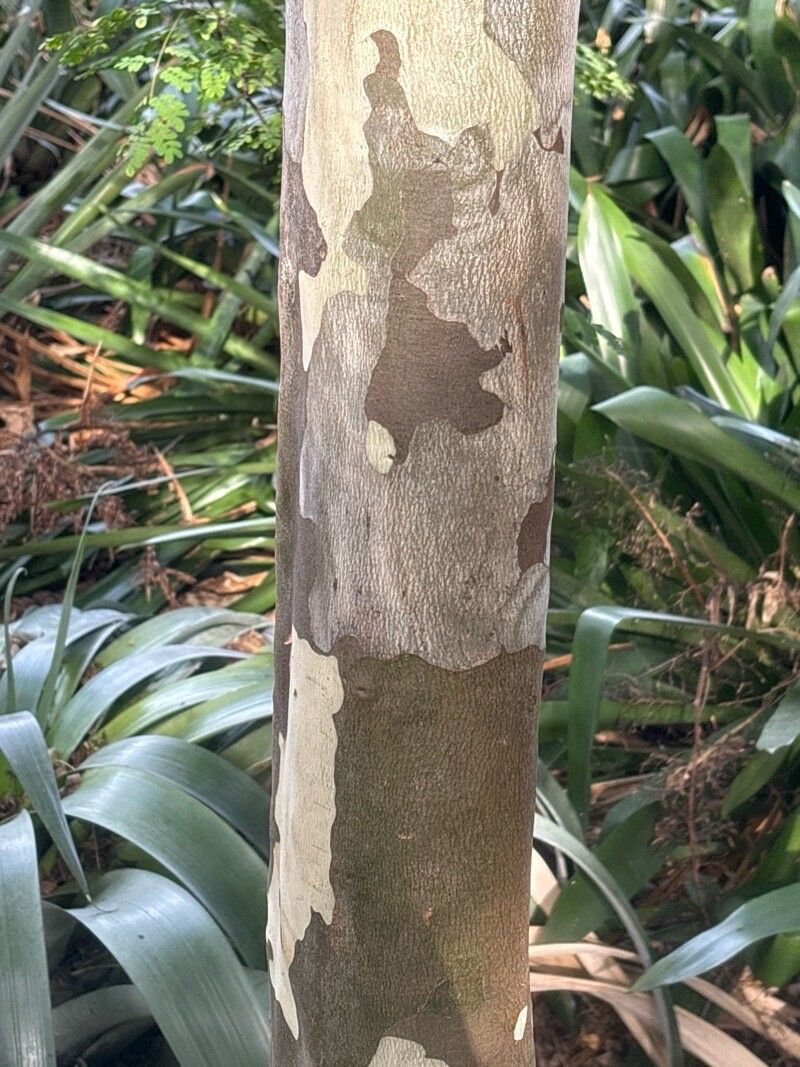
Oh, hello there! You’ve got a Libidibia ferrea in your sights, have you? What a fantastic choice! This beauty, often known as the Brazilian Ironwood or pau ferro, is truly a charmer in the garden. Its delicate, fern-like foliage and lovely, albeit subtle, blooms offer a whisper of the tropics, making it a wonderful addition to many landscapes or even as a striking houseplant in the right conditions.
I’ve spent many happy hours with my Libidibia ferrea over the years, and propagating it has been a real joy. It’s not the absolute easiest plant for a complete beginner, I’ll admit, but it’s certainly achievable with a bit of patience and the right approach. And the reward of seeing a tiny cutting take root and flourish? That feeling never gets old.
The Best Time to Start
When it comes to giving your Libidibia ferrea cuttings the best chance, the sweet spot is generally during its most active growing period. Think late spring through early summer. This is when the plant has more energy to put into developing new roots. You want to take cuttings from healthy, actively growing stems, not from old, woody growth or just-emerged vulnerable shoots.
Supplies You’ll Need
Gathering your tools beforehand makes the whole process smoother. Here’s what I usually have on hand:
- Sharp, clean pruning shears or a sharp knife: Essential for making clean cuts that heal well.
- Potting mix: A well-draining mix is key. I like a blend of about 50% good quality potting soil and 50% perlite or coarse sand. Some people also like to add a bit of coco coir.
- Small pots or containers: Cleaned thoroughly. Small propagation pots or even yogurt cups with drainage holes work just fine.
- Rooting hormone (optional but recommended): A powdered or gel rooting hormone can significantly boost your success rate. Look for one with a decent concentration of auxins.
- Plastic bags or a propagator lid: To create a humid environment for your cuttings.
- Water: For watering your cuttings and, if you choose that method, for water propagation.
- Small labels: For marking your cuttings with the date and variety – trust me, you’ll thank yourself later!
Propagation Methods
Libidibia ferrea can be propagated quite successfully using stem cuttings. This is my go-to method.
- Select Your Stems: Choose healthy, non-flowering stems that are about 6-8 inches long. Look for stems that are neither too soft and green nor too old and woody. A stem that’s firm but still bendy is usually perfect.
- Make the Cut: Using your sharp shears or knife, make a clean cut just below a leaf node. A leaf node is where a leaf attaches to the stem, and it’s where new roots are most likely to form.
- Prepare the Cutting: Gently remove the lower leaves from the cutting, leaving just a few at the top. This prevents them from rotting when buried in the soil and also reduces water loss.
- Apply Rooting Hormone (if using): Dip the cut end into the rooting hormone, tapping off any excess.
- Plant Your Cuttings: Insert the treated end of the cutting into your pre-moistened potting mix. Make a small hole with a pencil or your finger so you don’t rub off the hormone. Gently firm the soil around the base of the cutting.
- Create a Humid Environment: Water the soil gently. Then, place a clear plastic bag over the pot, or put the pots inside a propagator with a lid. Ensure the leaves aren’t touching the plastic if possible. This traps moisture and humidity, which is crucial for cuttings.
- The Waiting Game: Place your pots in a bright spot, but out of direct sunlight. Keep the soil consistently moist but not waterlogged.
Water Propagation: While stem cuttings in soil are my preference, some people have success with water propagation. Take similar cuttings, remove the lower leaves, and place them in a jar of water. The key is to ensure no leaves are submerged in the water. Change the water every few days to keep it fresh. Once you see a good root system developing, you can then carefully transplant them into potting mix.
The “Secret Sauce” (Pro Tips)
After years of tinkering, I’ve picked up a few tricks that seem to make a difference:
- Bottom Heat is Your Friend: If you can, using a propagation mat or placing your pots on top of a sturdy appliance that generates gentle warmth (like the top of your router, maybe!) can really encourage root development. It mimics the warmth you’d find in more tropical soils.
- Don’t Be Afraid to Propagate More Than You Need: Not every cutting will make it, and that’s perfectly normal. I always take at least twice as many cuttings as I ultimately want plants. It’s much better to have a few extras to choose from than to be disappointed with low success rates.
- Wipe Down Those Leaves: If you notice condensation building up inside the plastic bag or propagator, gently wipe it down with a clean cloth every day or two. Too much trapped moisture can sometimes encourage fungal issues, even with good airflow.
Aftercare & Troubleshooting
Once you start to see new leaf growth or feel a gentle resistance when you lightly tug on the cutting, you know you’re on your way! This is a sign that roots have formed.
- Gradually Acclimate: Before removing the plastic bag entirely, gradually open it up over a few days to let the new plant adjust to normal humidity levels.
- Watering: Continue to water carefully. The new plant will still be sensitive. Let the top inch of soil dry out between waterings.
- Potting Up: Once your new Libidibia ferrea has developed a good root system and is growing steadily, you can pot it up into a slightly larger container with fresh potting mix.
Now, what if things go wrong? The most common issue is rot. If your cutting turns mushy or black, it’s likely succumbed to rot. This usually happens from overwatering or poor drainage. If you see this, unfortunately, it’s best to discard the cutting and start again, making sure your soil is well-draining and you’re not overdoing the water. Another sign of failure is if the cutting simply shrivels up and dries out – this means it’s losing too much moisture, and you might need to increase the humidity around it.
A Welcoming Closing
So there you have it! Propagating Libidibia ferrea is a journey, and like any good garden adventure, it requires a little patience and a lot of hope. Don’t be discouraged if your first attempt isn’t perfect. Learn from it, tweak your approach, and celebrate each little success along the way. The satisfaction of growing your own new trees from cuttings is truly a special kind of magic. Happy propagating!
Resource: