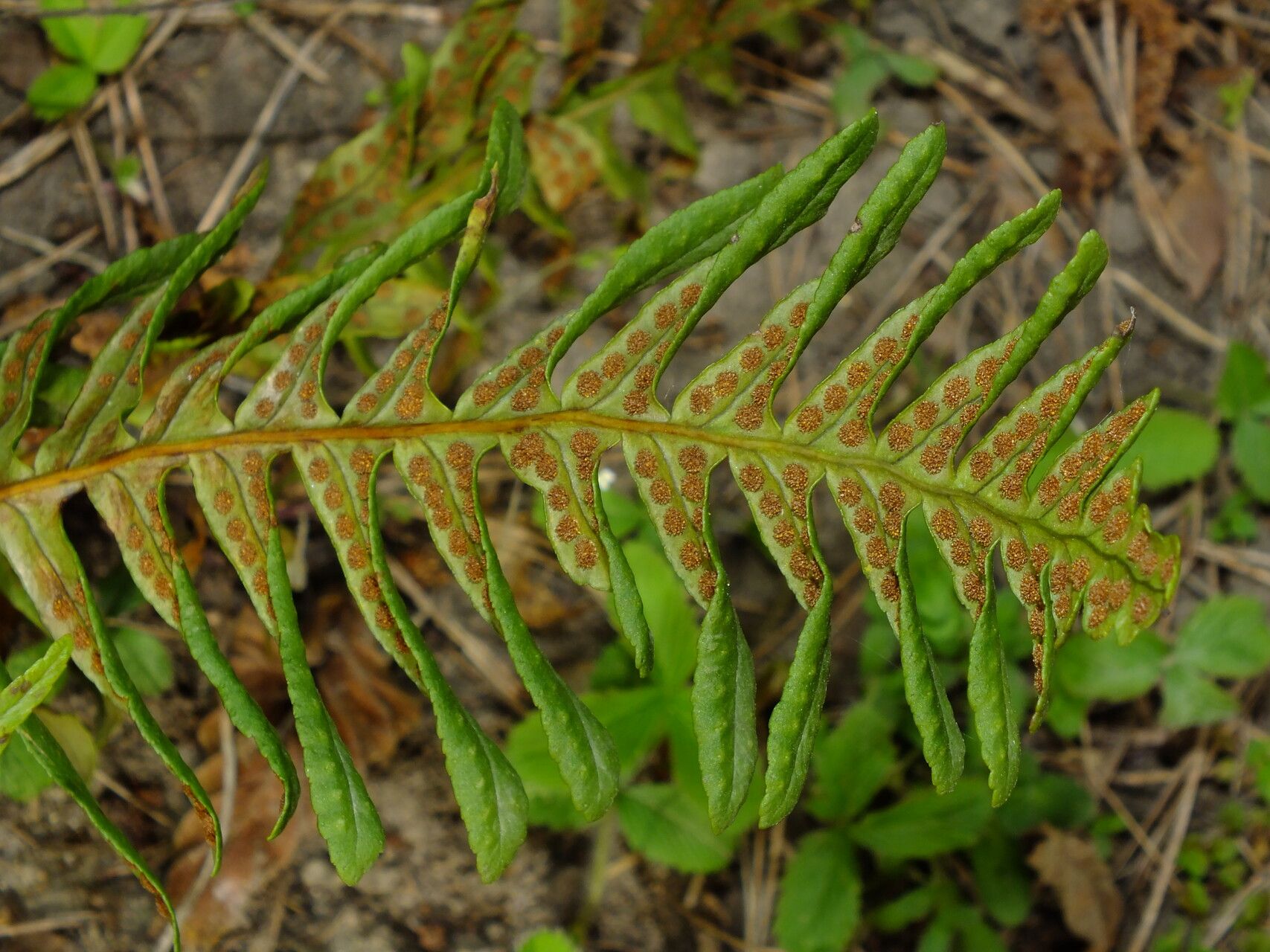
Oh, hello there! I’m so glad you’re curious about Polypodium scouleri, also known as the Coast Polypody. It’s such a charming fern, isn’t it? With its leathery, evergreen fronds, it brings a lovely bit of wild, coastal beauty right into your garden or home. And the best part? Bringing more of these beauties into existence is a truly rewarding journey. Honestly, for a fern, Polypodium scouleri is fairly forgiving, making it a nice project to tackle, even if you’re just dipping your toes into propagation.
The Best Time to Start
When it comes to coaxing new life from your existing ferns, spring is our prime time. Think of it as the fern’s natural awakening after winter. New growth is vigorous, and the plant has plenty of energy to spare for a bit of mothering. Aim for when you see fresh fronds unfurling – that’s your cue!
Supplies You’ll Need
Here’s a little kit to get you going. Don’t worry, it’s not an elaborate setup!
- Sharp, clean pruning shears or a sharp knife: For making precise cuts.
- A good quality potting mix: I like a blend that’s about 50% peat moss or coco coir and 50% perlite or coarse sand. This ensures excellent drainage, which is crucial for ferns.
- Small pots or trays: With drainage holes, of course!
- Rooting hormone (optional but helpful): A powder or gel can give your cuttings a little boost.
- A spray bottle: For misting.
- A clear plastic bag or dome: To create a humid microclimate.
Propagation Methods
For Polypodium scouleri, I find division to be the most straightforward and successful method. It’s essentially like gently splitting a plant into smaller, established pieces.
- Choose Your Mother Plant: Select a healthy, mature Polypodium scouleri. You’ll want to see a plant that’s starting to fill its pot or spread out a bit.
- Gently Remove from Pot: Carefully ease the fern out of its container. If it’s root-bound, you might need to run a knife around the edge of the pot to loosen it.
- Examine the Rhizomes: Look at the thick, creeping stems (rhizomes) that grow along the surface or just beneath the soil. You want to find points where these rhizomes have started to branch naturally.
- Make the Cut: Using your sharp, clean shears or knife, carefully divide the rhizome into sections. Each section should have at least one healthy frond and a good clump of roots attached. Don’t force it or tear; a clean cut is best.
- Pot Up Your Divisions: Plant each division into its own pot filled with your well-draining potting mix. Ensure the roots are covered and the rhizome is just at or slightly below the soil surface.
The “Secret Sauce” (Pro Tips)
Now, for a couple of little tricks I’ve picked up over the years that really make a difference:
- Don’t Drown Your Roots: While ferns love humidity, keeping the crown of the plant constantly soggy can lead to rot. When you pot up your divisions, make sure the base of the fronds isn’t buried too deep in wet soil. A slightly raised rhizome is often happier.
- Gentle Humidity, Not a Swamp: When you cover your newly potted divisions with a plastic bag or dome, ensure there’s some airflow. You can poke a few small holes in the bag or prop up the dome slightly. We’re aiming for high humidity, not a stagnant, soggy environment where fungal issues can thrive.
Aftercare & Troubleshooting
Once your divisions are potted, place them in a bright spot away from direct sunlight. Ferns can scorch! Keep the soil consistently moist but never waterlogged. A gentle misting now and then is great, but avoid soaking the foliage, especially in lower light.
You’ll know they’re happy when you start seeing new frond growth – that’s your sign they’ve established themselves!
The most common troublemaker? Rot. If you see your fronds turning yellow or mushy and blackening at the base, it’s a sign of too much moisture, often combined with poor air circulation. In this case, gently try to remove the affected parts and allow the soil to dry out a bit more. If the rhizome itself feels soft and mushy, unfortunately, that division might not make it. Don’t beat yourself up; it happens to all of us! Just learn from it and try again with better drainage or airflow next time.
A Encouraging Closing
Propagating Polypodium scouleri can be such a satisfying experience. It’s a chance to connect with your plants on a deeper level and to fill your space with their quiet, graceful beauty. Be patient with your new divisions; they’re working hard to get settled. Enjoy the process, and celebrate every new frond that unfurls! Happy gardening!
Resource:
https://identify.plantnet.org/k-world-flora/species/Polypodium%20scouleri%20Hook.%20&%20Grev./data