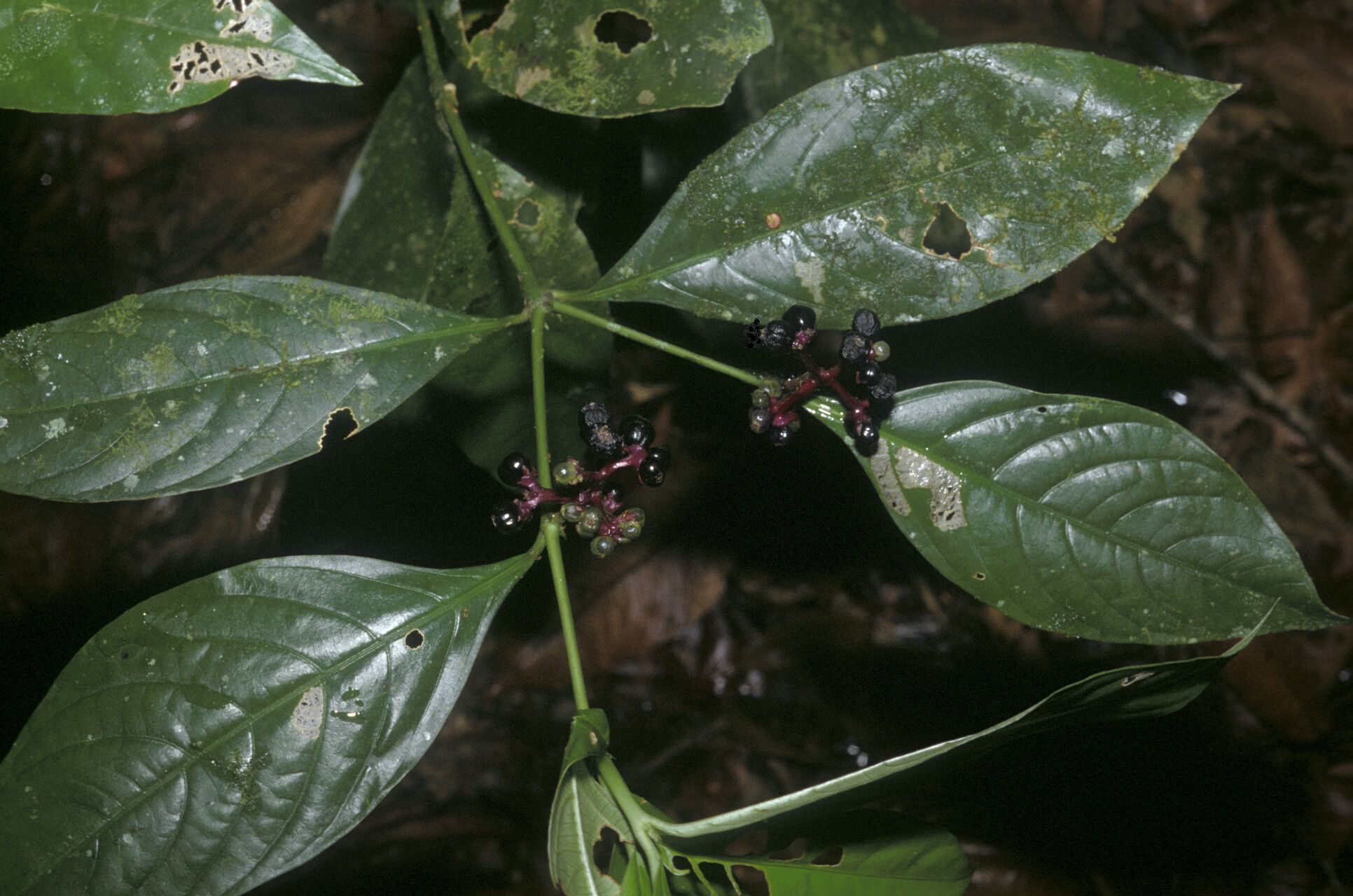
Hello there, fellow plant lovers! It’s so good to have you join me in my little corner of the garden world today. We’re going to chat about a plant that’s been stealing my heart lately: Palicourea gracilenta. You might know it for its stunning, vibrant flower clusters that bring such a pop of color, or perhaps its lush, glossy leaves. Whatever drew you in, I’m here to tell you that bringing more of this beauty into your life through propagation is not only possible but wonderfully rewarding.
Now, is Palicourea gracilenta a beginner-friendly plant to propagate? I’d say it’s moderately easy. It’s not overly fussy, but it does appreciate a little know-how. With a few key steps, you’ll be well on your way to success.
The Best Time to Start
When it comes to getting the most bang for your buck with propagation, I find that working with active growth is always the way to go. For Palicourea gracilenta, this means aiming for spring or early summer. You want to try and take cuttings when the plant is actively producing new shoots. These fresh, young stems have the energy and hormones needed to root more readily. Avoid taking cuttings from woody, old stems or during the plant’s dormancy period.
Supplies You’ll Need
Gathering your supplies before you start makes the whole process smoother. Here’s what I always have on hand:
- Sharp Pruning Shears or a Clean Knife: For making clean cuts.
- Rooting Hormone: Not strictly mandatory, but it can significantly boost your success rate. I like to use a powder or gel form.
- Well-Draining Potting Mix: A blend of peat moss, perlite, and a bit of sand works wonders. You can also use a specialized seedling or rooting mix.
- Small Pots or Seedling Trays: Clean pots are essential to prevent disease.
- Clear Plastic Bags or a Humidifier Dome: To create a humid environment for your cuttings.
- Watering Can or Mister: For gentle watering.
- Labels: To keep track of what you’ve planted and when.
Propagation Methods
Let’s get our hands dirty! The most reliable method for Palicourea gracilenta is stem cuttings.
Stem Cuttings
- Select Your Cuttings: Look for healthy, non-flowering stems that are about 4-6 inches long. You want a stem that’s got some new growth but isn’t too soft or floppy.
- Make the Cut: Using your sharp shears or knife, make a clean cut just below a leaf node (where a leaf attaches to the stem). This is where the magic happens for root development.
- Prepare the Cuttings: Gently remove the lower leaves from the bottom half of the cutting. It’s important to strip these away so they don’t rot when buried in the soil. You can leave 2-3 leaves at the top.
- Apply Rooting Hormone: If you’re using rooting hormone, dip the cut end of the stem into the powder or gel. Gently tap off any excess.
- Plant Your Cuttings: Fill your small pots with your prepared, moist potting mix. Make a small hole in the center with your finger or a pencil. Insert the cutting into the hole, ensuring the nodes that had leaves removed are below the soil surface. Gently firm the soil around the base of the cutting.
- Create a Humid Environment: Water the soil lightly so it’s evenly moist but not soggy. Then, cover the pot with a clear plastic bag or place it under a humidifier dome. This high humidity is crucial for preventing the cuttings from drying out before they can root.
The “Secret Sauce” (Pro Tips)
Here are a couple of tricks I’ve learned over the years that really help my cuttings thrive:
- Bottom Heat is Your Friend: If you have a seedling heat mat, placing your pots on it can be a game-changer. It encourages root development from below, creating a cozy environment for those nascent roots to emerge.
- Don’t Overwater! It’s so tempting to constantly drench your cuttings, but this is a sure way to invite rot. The plastic bag will keep the humidity high, so you’ll only need to water sparingly when the soil starts to feel dry to the touch. Check the soil moisture by gently poking your finger in.
Aftercare & Troubleshooting
Once your cuttings have been planted and are happily ensconced in their humid little homes, the waiting game begins. Keep them in bright, indirect light. Avoid direct sun, as it can scorch the delicate leaves.
You’ll know your cutting has rooted when you see new leaf growth or feel a slight resistance when you gently tug on it. This can take anywhere from a few weeks to a couple of months. Don’t despair if it takes time!
The most common issue you might encounter is rot. If you see your cutting turning black and mushy, it’s likely from too much moisture and not enough air circulation. If this happens, discard the cutting to prevent it from spreading and try again, focusing on that balance between humidity and well-draining soil.
A Little Patience, A Lot of Reward
Propagating plants is such a beautiful way to connect with nature and extend your enjoyment of your favorite greenery. Be patient with your Palicourea gracilenta cuttings. They’ll let you know when they’re ready to grow. Enjoy this process, celebrate every new leaf, and soon you’ll have a whole new collection of these stunning plants to admire! Happy propagating!
Resource: