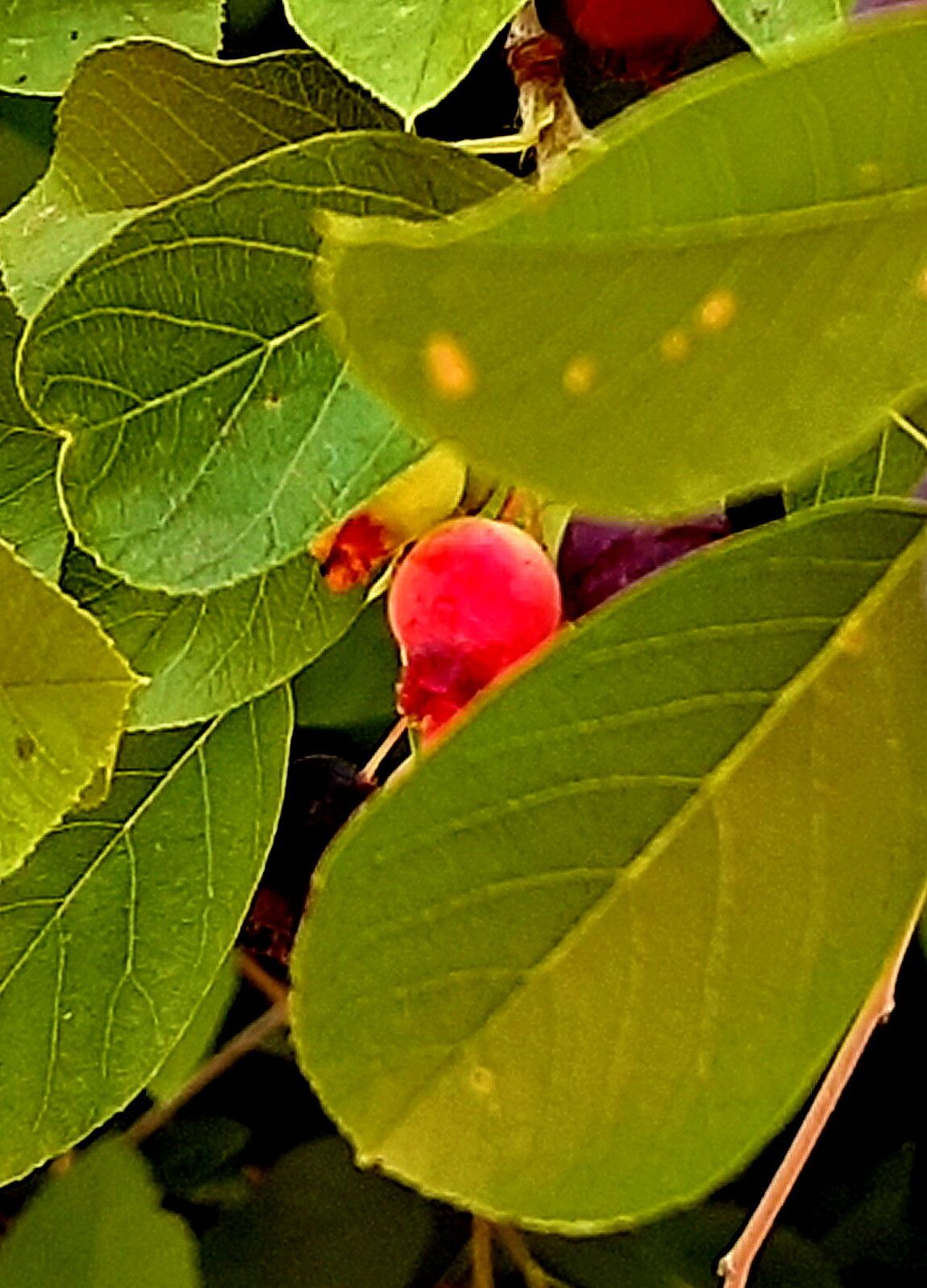
Oh, hello there! It’s always such a joy to chat about gardening, isn’t it? Today, I want to introduce you to a real gem in the plant world: Amelanchier bartramiana, also known as Mountain Serviceberry. These lovely shrubs are just bursting with charm. In spring, they offer delicate white flowers, followed by delicious, edible berries in summer that birds absolutely adore. And then, oh, the fall color! A fiery display of reds and oranges that rivals any maple.
Propagating Amelanchier bartramiana is a wonderfully rewarding way to fill your garden with more of these beauties or to share them with friends. For beginners, I’d say it’s moderately easy—not as straightforward as, say, a spider plant, but definitely achievable with a little care and attention. It’s a process that connects you even more deeply to the plant.
The Best Time to Start
For the highest success rate, I find that late spring to early summer is your golden period for Amelanchier bartramiana. This is when the plant is actively growing, and the new shoots are semi-hardwood. You want stems that have just finished their rapid spring growth but haven’t become fully woody yet. They have a bit of flexibility and a good store of energy for rooting.
Supplies You’ll Need
Gathering your supplies before you begin makes the whole process smoother. Here’s what I usually have on hand:
- Sharp pruning shears or a clean knife: For making clean cuts.
- Rooting hormone: A powder or gel. This really gives your cuttings a boost.
- A well-draining potting mix: I love a blend of perlite, peat moss, and a little compost. You want good aeration so those new roots don’t drown. Some people use coarse sand too, which is a good idea.
- Small pots or a propagation tray: With drainage holes, of course!
- Plastic bags or a clear propagation dome: To create a humid environment for your cuttings.
- Water: For moistening the soil and for misting.
- A small trowel or dibber: For making holes in the soil.
- Optional: Bottom heat setup: A propagation mat can significantly speed up rooting.
Propagation Methods
While you can try water propagation, I find stem cuttings to be the most reliable method for Amelanchier bartramiana. It gives those developing roots a stable medium to grow in right from the start.
- Select Your Cuttings: Head out in late spring or early summer. Look for healthy, current-year shoots that are about pencil-thick. You want stems that are green and flexible but have started to firm up a bit. Avoid any woody or floppy green stems.
- Take the Cuttings: Using your sharp pruning shears, take cuttings that are about 4-6 inches long. Make the cut just below a leaf node (where a leaf attaches to the stem).
- Prepare the Cuttings: Gently remove the lower leaves. Leave just a couple of leaves at the top. If the remaining leaves are quite large, you can cut them in half horizontally to reduce water loss.
- Apply Rooting Hormone: Dip the cut end of each cutting into your rooting hormone, tapping off any excess. This is a crucial step for encouraging root formation.
- Pot Up Your Cuttings: Fill your pots with the prepared well-draining potting mix. Make a hole in the center of the soil with your trowel or dibber.
- Insert the Cuttings: Place each treated cutting into the hole, ensuring that at least one leaf node is below the soil surface. Gently firm the soil around the stem.
- Water Thoroughly: Water the pots well to settle the soil around the cuttings.
- Create a Humid Environment: Cover the pots with a clear plastic bag, securing it around the pot with a rubber band. Alternatively, place them in a propagation tray with a dome. Make sure the leaves aren’t touching the plastic. If using a bag, prop it up so it doesn’t rest on the leaves.
The “Secret Sauce” (Pro Tips)
Here are a few things I’ve learned over the years that can really make a difference:
- Cleanliness is Key: Always make sure your tools and pots are spotlessly clean. This helps prevent any nasty fungal infections from taking hold, which is a common reason cuttings fail. A quick wipe-down with rubbing alcohol is usually enough.
- Bottom Heat is Your Friend: If you can manage it, placing your pots on a propagation mat set to a warm temperature (around 70-75°F or 21-24°C) will dramatically speed up root development. It encourages roots to form from the bottom up.
- Don’t Overwater! It’s a common mistake. While cuttings need moisture, soggy soil is the enemy. Let the top inch of the soil dry out slightly between waterings. You can always check by gently lifting the pot to feel its weight.
Aftercare & Troubleshooting
Once you’ve potted up your cuttings, place them in a bright location, but out of direct sunlight. Too much sun can scorch those delicate leaves and dry out your cuttings too quickly.
You’ll know your cuttings have successfully rooted when you see new leaf growth appearing. Another good sign is when you feel a slight resistance if you gently tug on the cutting. This can take anywhere from 4 to 8 weeks, sometimes longer.
The most common sign of failure is rotting. If a cutting turns black and mushy at the base, it’s usually a sign of too much moisture and poor air circulation. If you see this, sadly, that cutting is lost. Another sign is if the leaves wilt and dry out completely, indicating it hasn’t been able to establish roots. Don’t be discouraged if you lose a few; it’s part of the learning process!
Once your cuttings have a good root system, you can slowly acclimate them to normal humidity by gradually opening the plastic bag or dome over a week. Then, you can transplant them into slightly larger individual pots filled with a good potting mix. Continue to keep them in bright, indirect light and water them consistently.
A Encouraging Closing
Bringing new life into your garden is such a rewarding feeling, and propagating Amelanchier bartramiana is a wonderful way to do just that. Be patient with your little cuttings. Gardening is often about observation and gentle coaxing. Enjoy the process, learn from each step, and soon you’ll have more of these beautiful serviceberries to cherish. Happy propagating!
Resource: