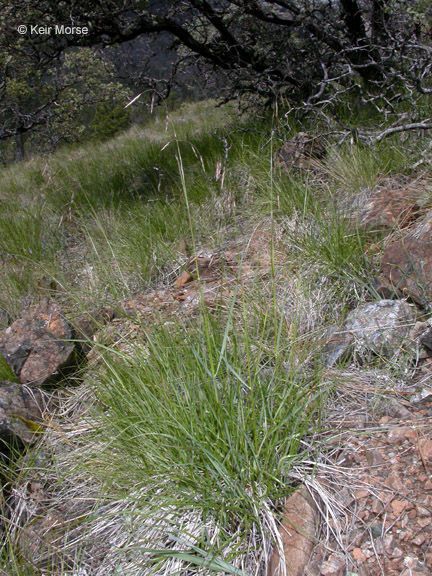
Oh, hello there! It’s so good to have you over. Today, we’re going to dive into something truly special: propagating Melica geyeri, or pine bluegrass. If you’ve ever seen this beautiful grass gracing a garden, with its elegant arching stems and delicate flowers, you know just how captivating it can be. I’ve spent years admiring its subtle beauty, and I can tell you, growing more of it from your own plants is incredibly satisfying. For beginners, I’d say Melica geyeri is moderately easy to propagate. It’s not something you can just shove a twig into the ground and expect miracles, but with a little care and the right approach, you’ll be rewarded with new clumps in no time.
The Best Time to Start
Timing is everything in gardening, isn’t it? For Melica geyeri, your best bet is to propagate during its active growing season. This generally means late spring to early summer, after the initial rush of new growth has settled in a bit, but before the peak of summer heat. You want the plant to be vigorous and ready to put energy into its new babies. If you’re doing division, which is our primary method for this grass, doing it in the early spring as soon as the soil is workable is also a fantastic option. It allows the divisions to establish before the summer.
Supplies You’ll Need
Gathering your tools beforehand makes the whole process smoother. Here’s what I usually have on hand:
- Sharp, clean pruning shears or a spade: For making clean cuts and dividing clumps.
- A sturdy trowel: For loosening soil and digging.
- Large containers or pots: For your new divisions.
- Good quality potting mix: I like a mix with good drainage, perhaps something with perlite or coarse sand. For Melica geyeri, a well-draining loam is ideal.
- Watering can with a fine rose: To water gently.
- A small amount of slow-release fertilizer (optional, for established divisions): Not essential at the start, but helpful later.
- Labels and a permanent marker: To keep track of what you’ve planted where.
Propagation Methods
For Melica geyeri, the most reliable and rewarding method is division. This grass forms dense clumps, and pulling them apart gently to create new, independent plants is surprisingly effective.
Division Step-by-Step:
- Digging Up the Clump: In late spring or early summer (or early spring if you prefer), gently dig around the perimeter of your Melica geyeri clump with your spade or trowel. You want to loosen it from the surrounding soil without damaging the root system too much.
- Lifting the Plant: Carefully lift the entire clump out of the ground. Shake off any excess soil so you can see the root structure clearly.
- Separating the Divisions: This is where your hands or the back of your trowel can come in handy. Gently tease apart the clump into smaller sections. Look for natural breaks where roots and shoots meet. If the roots are very dense, you might need to use your clean pruning shears to cut through them, but try to keep each division with a good amount of healthy roots and at least a few shoots. Aim for divisions that are about the size of your fist, or as large as you can manage while still having a good root-to-shoot ratio.
- Replanting: Prepare your new planting spots or pots with your potting mix. Dig a hole large enough to accommodate the root ball of each division. Place the division in the hole, ensuring the top of the root ball is level with the surrounding soil.
- Water Thoroughly: Water each new division deeply, allowing the water to soak in and settle the soil around the roots.
The “Secret Sauce” (Pro Tips)
Here are a few little tricks I’ve learned over the years that make a real difference:
- Don’t be afraid to get your hands dirty with the roots! When dividing, it’s easy to damage fine roots. Be patient and gentle, but also realistic. If a few roots break, it’s usually okay. The key is to ensure each division has some healthy root mass.
- Give your divisions a head start with compost tea. If you have any compost tea brewing, a dilute soak for the root balls right before replanting can give them a fantastic boost of beneficial microbes and nutrients. It’s like a little energy drink for your new plants.
- Consider the sun. When replanting your divisions, think about their new location. While Melica geyeri enjoys sun, newly divided plants can be a bit shy. Providing some afternoon shade for the first week or two can prevent them from drying out too quickly while they establish their root systems.
Aftercare & Troubleshooting
Once your little Melica geyeri babies are in their new homes, they’ll need a little TLC.
Watering is key. Keep the soil consistently moist but not waterlogged. This is crucial. Overwatering can lead to root rot, which is the most common issue new propagators face. You’ll know it’s working when you see new shoots emerging from the base of the plant.
If you notice that your division is wilting despite consistent watering, it might be a sign that the roots haven’t established well, or perhaps there was too much damage during the division process. Sometimes, a plant just needs a bit more time.
Signs of rot often include a mushy, dark base, or yellowing leaves that quickly turn brown and brittle. If you suspect rot, gently try to lift the plant. If it pulls out easily and the roots are slimy, it’s a tough situation. You can try to carefully trim away any rotted parts and repot in fresh, dry soil, but success isn’t guaranteed. Prevention is always better!
A Encouraging Closing
Propagating Melica geyeri is a wonderful way to expand your garden and share its beauty. Don’t get discouraged if your first attempt isn’t perfect. Gardening is a journey of learning and patience. Enjoy the process of nurturing these new plants, and soon you’ll have more of this elegant grass to admire! Happy gardening!
Resource:
https://identify.plantnet.org/k-world-flora/species/Melica%20geyeri%20Munro%20ex%20Bol./data