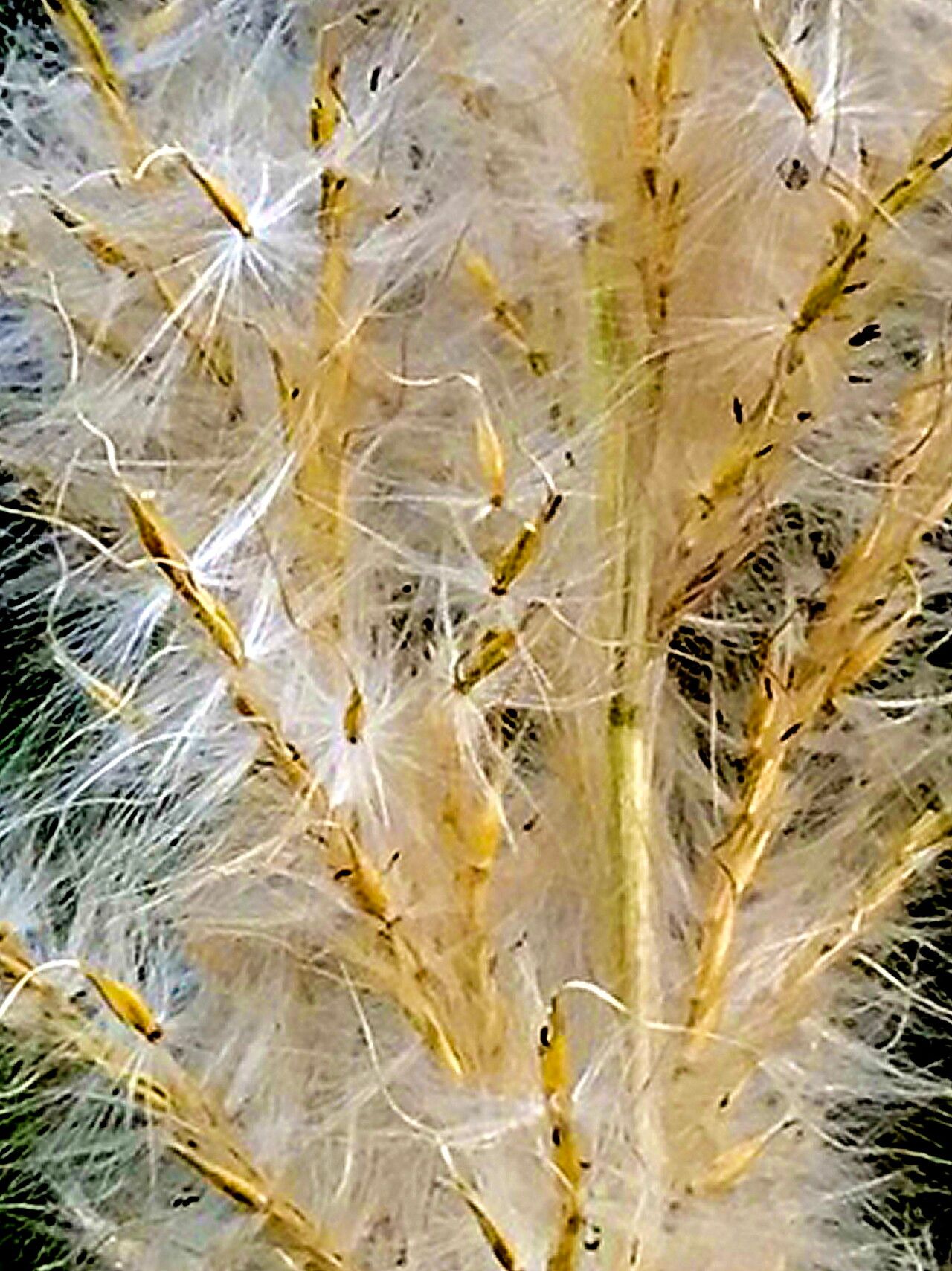
Well hello there, fellow garden enthusiasts! I’m so excited to chat with you today about a plant that’s brought me a whole lot of joy over the years: Erianthus alopecuroides, also known as Fountain Grass. If you’ve ever seen this beauty gracing a garden, you know what I mean. Its graceful, arching plumes that dance in the slightest breeze are simply captivating. And the best part? Propagating it is totally doable, a truly rewarding way to fill your landscape with these lovely grasses without breaking the bank. For beginners, I’d say it’s moderately easy – a bit more hands-on than a succulent, but with a good understanding of what it needs, you’ll be celebrating success in no time.
The Best Time to Start
My go-to timing for propagating Erianthus alopecuroides is late spring to early summer. You want your plant to be actively growing. This is when it has plenty of energy to put into developing new roots. Trying to propagate too early in the spring, when things are just waking up, can be a bit hit-or-miss. Wait until the weather is consistently warm and your existing plants are looking robust.
Supplies You’ll Need
Before we dive in, let’s gather our tools. Having everything ready makes the process so much smoother.
- Sharp, clean pruning shears or a sharp knife: Cleanliness is key to preventing disease.
- Rooting hormone (optional but recommended): This acts like a little booster for those baby roots.
- Small pots or trays: For your cuttings to start their new lives in.
- Well-draining potting mix: A succulent mix or a blend of peat moss, perlite, and sand works wonders. We want to avoid soggy roots at all costs!
- Watering can or spray bottle: For gentle watering.
- A clear plastic bag or propagation dome: This creates a humid microclimate.
- Labels: Because trust me, you will forget which is which!
Propagation Methods
There are a couple of ways we can go about making more Fountain Grass. I find division to be the most straightforward and reliable method for this particular grass.
Method: Division
This is your best bet for a quick start. You’re essentially taking a mature clump and gently separating it into smaller, viable pieces.
- Dig Up Your Plant: In late spring or early summer, when the plant is actively growing, dig up the entire clump. Use a trowel or spade to loosen the soil all around the base, then gently lift the whole thing out.
- Clean Off Excess Soil: Gently shake or brush off as much of the soil as you can. This makes it easier to see the root structure.
- Separate the Divisions: Now, this is where you use your hands or a trowel. Gently pull the clump apart. You’re looking for sections that have both roots and leafy shoots. If a section is really stubborn, you can carefully use your trowel or even a clean knife to cut through the roots. Aim for divisions that are roughly golf-ball sized or a bit larger, ensuring each one has a good amount of roots and at least a couple of growing points. Discard any pieces that look mushy or unhealthy.
- Plant Your New Divisions: Fill your small pots with your well-draining potting mix. Plant each division so the base of the leaves is just at the soil surface. Give them a gentle watering to settle the soil.
Method: Stem Cuttings (Less Common for Erianthus, but possible)
While division is my preferred method, you can try stem cuttings. This is a bit more finicky for ornamental grasses like Erianthus.
- Take Cuttings: In late spring or early summer, select healthy, non-flowering stems. Using your clean shears, cut a stem about 4-6 inches long. Make the cut just below a leaf node (where a leaf attaches to the stem). Remove the lower leaves, leaving just a few at the top.
- Dip in Rooting Hormone: If you’re using rooting hormone, dip the cut end of the stem into the powder or gel. Tap off any excess.
- Plant the Cuttings: Fill small pots with your well-draining mix. Make a small hole with your finger and insert the cutting, ensuring the node where you removed the leaves is below the soil surface. Gently firm the soil around the stem.
- Create a Humid Environment: Water the cuttings lightly and then cover the pots with a clear plastic bag, creating a mini-greenhouse. You can prop up the bag with a few stakes so it doesn’t touch the leaves.
The “Secret Sauce”
Here are a couple of little tricks I’ve learned that really help boost your success:
One thing that’s crucial, especially with cuttings, is avoiding waterlogged soil. Erianthus, like most grasses, detests soggy feet. If you’re using the cutting method, the plastic bag is your friend for humidity, but make sure the soil is only ever moist, not soaking wet. If you squeeze a handful, only a drop or two of water should come out. For divisions, good drainage is paramount. If your pots don’t have drainage holes, get some!
Also, a bit of gentle warmth from below can make a world of difference for cuttings. If you have a seedling heat mat, placing your pots on it provides consistent bottom heat that really encourages root development. You don’t need it scorching hot, just a gentle warmth. For divisions, this isn’t as critical, but it certainly doesn’t hurt.
Aftercare & Troubleshooting
Once your divisions are planted or your cuttings have rooted (you’ll see new growth or feel gentle resistance when you tug lightly), it’s time for a little TLC. Gradually introduce them to more light. Start by taking them out of their humid cover for a few hours each day, then increase the time until they’re accustomed to your garden’s conditions. Water consistently, but remember, less is more when it comes to watering mature plants. We want to encourage them to seek out moisture with their roots, not rely on constant surface watering.
The most common issue you’ll encounter is rot, usually caused by overwatering. If you see your cuttings wilting, turning yellow, or looking mushy at the base, it’s likely too much moisture. Pull them out, check the roots. If they’re dark and slimy, it’s rot. Sadly, there’s not much to do at that point, so the best defense is good drainage and careful watering from the start.
A Gentle Encouragement
Creating new life from an existing plant is one of the most satisfying parts of gardening. Be patient with your new Erianthus alopecuroides. They’re resilient little things, and with a little care and attention, you’ll soon have a whole collection of these stunning grasses. Enjoy the process, learn from each attempt, and celebrate every new sprout! Happy planting!
Resource:
https://identify.plantnet.org/k-world-flora/species/Erianthus%20alopecuroides%20(L.)%20Elliott/data