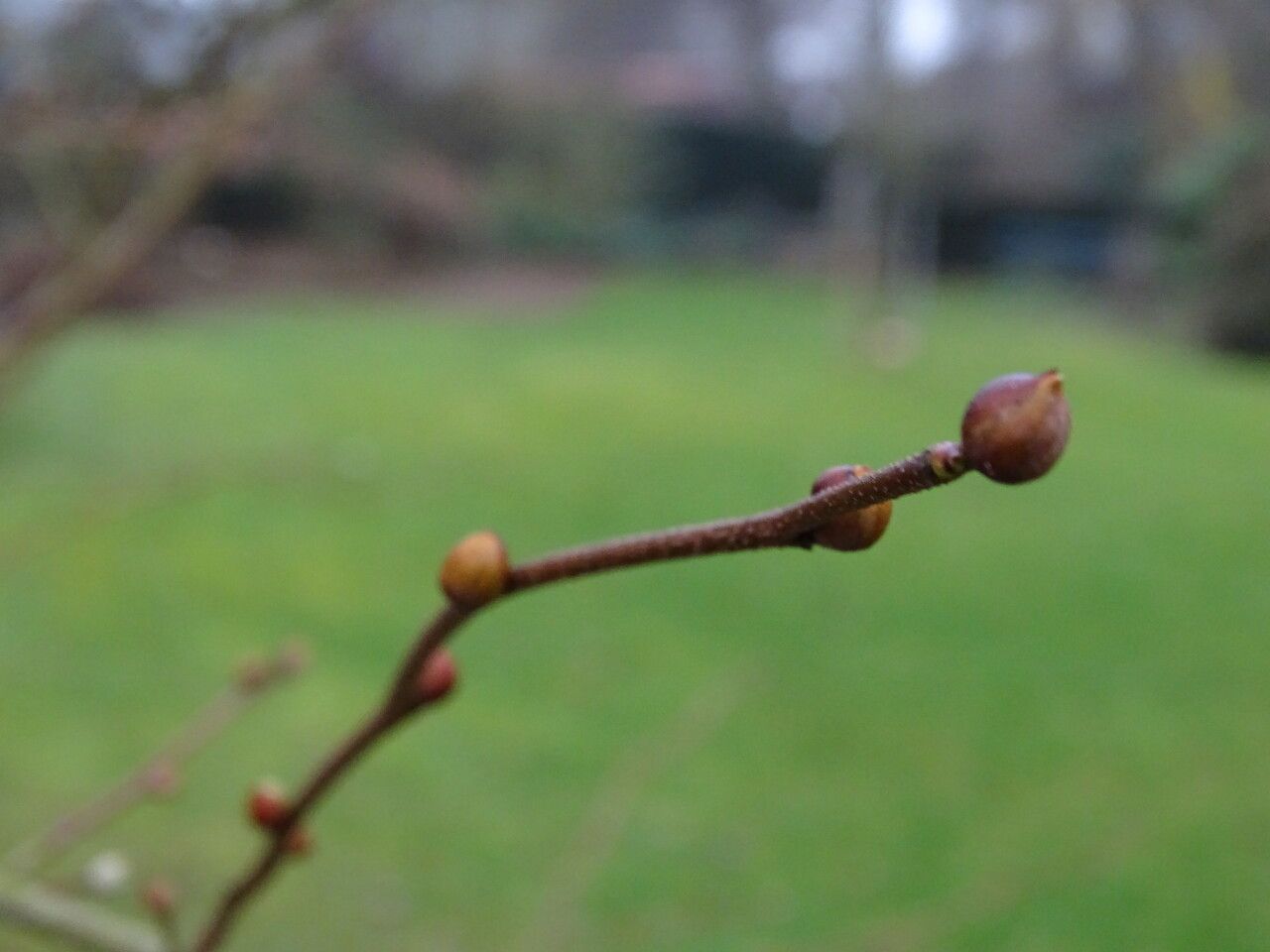
Ah, Corylopsis glandulifera! What a gem. If you’re drawn to its cascading yellow blooms in early spring, its lovely fragrance, and that graceful, slightly arching form, you’re not alone. It’s truly a plant that whispers elegance into the garden. And the thought of growing more of these beauties yourself? That’s a truly rewarding pursuit! Now, as for whether it’s a simple affair for a novice gardener, I’d say it leans towards the moderately easy. It’s not the most stubborn plant out there, but it does appreciate a bit of know-how.
The Best Time to Start
For Corylopsis glandulifera, softwood cuttings are your best bet, and these are best taken in late spring or early summer. Think of it as when the new growth is still flexible and green, but has had a little time to firm up a touch. You’re looking for stems that snap cleanly when bent, rather than bending without breaking. This usually happens after the initial flush of spring growth has matured slightly.
Supplies You’ll Need
To get your Corylopsis propagation project underway, gather these essentials:
- Sharp, clean pruning shears or a sharp knife: For taking your cuttings. Disinfect them with rubbing alcohol between cuts if you’re taking many.
- Rooting hormone: While not strictly essential for all plants, it definitely gives your Corylopsis cuttings a helpful boost. Look for one formulated for semi-hardwood cuttings.
- Potting mix: A well-draining, sterile mix is crucial. I often use a blend of equal parts peat moss or coir, perlite, and a bit of compost.
- Small pots or trays: With good drainage holes, of course!
- Plastic bags or a propagation dome: To create a humid environment.
- Gravel or perlite (optional for water propagation): If you decide to try that method.
- Spray bottle: For misting.
Propagation Methods
Let’s dive into how we can coax new life from your Corylopsis!
Stem Cuttings (My Go-To Method)
This is my favorite way to propagate Corylopsis. It’s reliable and gives you a good success rate.
- Take Your Cuttings: Select healthy, vigorous stems from your established plant. Look for pieces that are about 4-6 inches long. Use your clean shears to make a cut just below a leaf node (where a leaf attaches to the stem).
- Prepare the Cuttings: Gently remove the lower leaves, leaving just a few at the top. This prevents them from rotting in the soil. If the leaves are quite large, you can even cut them in half horizontally. This reduces water loss.
- Apply Rooting Hormone: Dip the cut end of each stem into your rooting hormone, ensuring it’s coated. Tap off any excess.
- Pot Them Up: Fill your small pots with your prepared potting mix. Make a hole in the center of the soil with a pencil or your finger, deep enough to insert the cutting. Gently insert the cutting into the hole, firming the soil around it. Don’t pack it too tightly.
- Water Gently: Water thoroughly but gently, so the soil is moist but not waterlogged.
- Create Humidity: Cover each pot with a clear plastic bag, securing it around the pot with a rubber band, or place them under a propagation dome. Make sure the leaves don’t touch the plastic if possible – this can lead to rot.
- Find a Suitable Spot: Place the pots in a bright location, but out of direct sunlight. A warm spot is ideal.
Water Propagation (A Patient Approach)
While I prefer cuttings in soil, water propagation can work for some Corylopsis.
- Prepare the Cuttings: Follow steps 1 and 2 from the stem cuttings method.
- Place in Water: Put the cuttings in a clean jar or glass of room-temperature water.
- The Crucial Detail: Ensure that no leaves are submerged in the water. Any foliage in the water will rot and can kill the cutting. If you have lower leaves that would be underwater, snip them off.
- Location: Place the jar in a bright spot away from direct sun.
- Change Water Regularly: Change the water every few days to keep it fresh and prevent the growth of bacteria.
- Patience: This method takes longer to see results. You’ll be waiting for tiny white roots to emerge from the nodes. Once the roots are about an inch long, you can try planting them in soil.
The “Secret Sauce” (Pro Tips)
Here are a few things I’ve learned over the years that really make a difference:
- Bottom Heat is Your Friend: If you can, place your pots with cuttings on a propagation mat set to around 70-75°F (21-24°C). This gentle warmth encourages root development from below, and it’s a game-changer, especially if your house tends to be on the cooler side.
- Don’t Rush the Transplant: Resist the urge to yank on your cuttings to check for roots! You’ll know they’re ready when you see new leafy growth appearing at the tip. If you must check, very gently tug and if there’s resistance, they’re likely rooted.
- Sterility is Paramount: I can’t stress this enough. A clean environment and clean tools drastically reduce the chances of fungal diseases taking hold, which is a common stumbling block for new propagators.
Aftercare & Troubleshooting
Once your cuttings have developed a good root system (you’ll see roots peeking through the drainage holes, or new growth emerging), it’s time to give them a little extra attention.
- Gradual Acclimation: I like to remove the plastic bags or propagation dome for an hour or two each day for a week before taking them off completely. This helps them adjust to the drier air.
- Potting Up: Move your rooted cuttings into slightly larger pots with a good, well-draining potting mix.
- Watering: Water them well after potting. Then, water whenever the top inch of soil feels dry. Avoid soggy conditions, as this is the quickest way to invite root rot, which is characterized by mushy, brown roots and a wilting, yellowing plant.
- Signs of Failure: If a cutting goes black and mushy, that’s often rot. If it just shrivels up and dries out, it might have been too dry or not humid enough. Sometimes, despite our best efforts, a cutting just won’t take. Don’t be disheartened! It’s all part of the learning process.
Keep Growing!
Propagating Corylopsis glandulifera is a journey. It requires a bit of patience and observation, but there’s immense satisfaction in nurturing a new plant from a small piece of its parent. Don’t be afraid to experiment, and most importantly, enjoy the process. Happy gardening!
Resource:
https://identify.plantnet.org/k-world-flora/species/Corylopsis%20glandulifera%20Hemsl./data