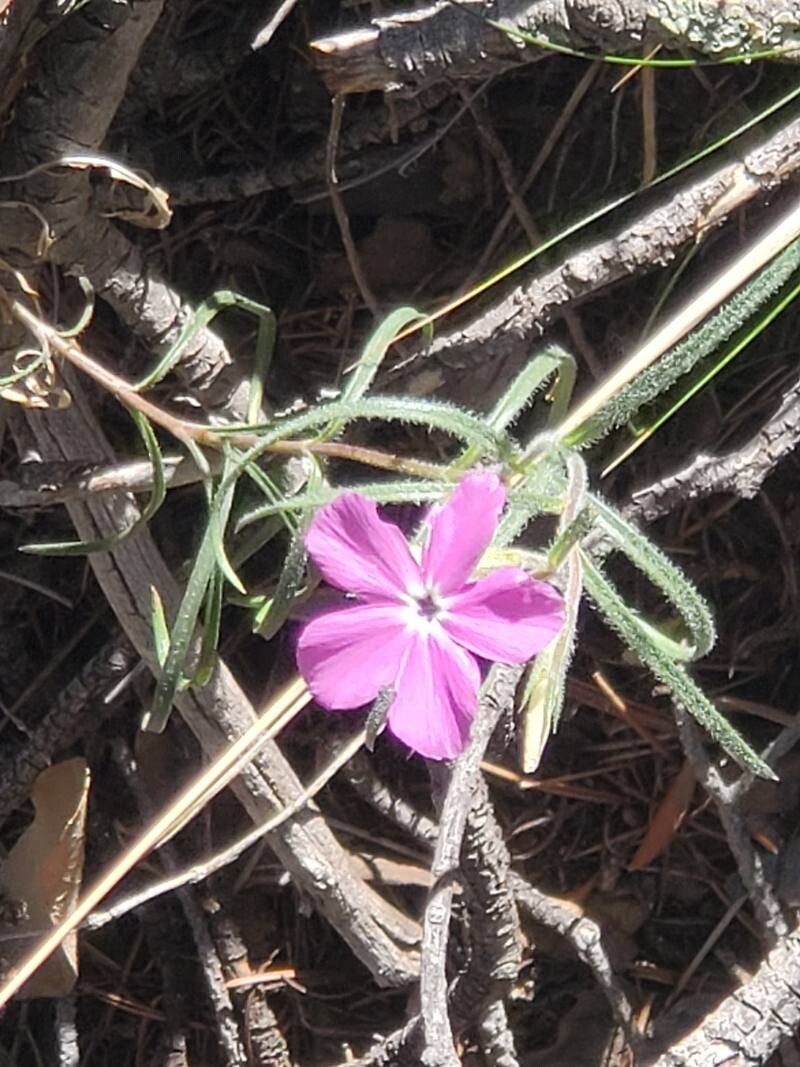
Oh, Phlox nana! If you’ve ever marveled at those delicate, star-shaped blooms carpeting the ground or spilling over a rock garden, you know why this little plant steals hearts. It’s like a breath of fresh, floral air, and getting your own patch started from scratch? Pure gardening joy. And guess what? While it might sound a bit fancy to “propagate,” it’s actually quite doable, even for those of you new to the wonderful world of gardening. I’m happy to share how I coax new life from my favorite Phlox nana plants.
The Best Time to Start
For the absolute best chance of success with Phlox nana, I always aim for late spring or early summer. This is when the plant is in its active growing phase, sending out lots of fresh, healthy shoots. Think of it like this: the plant is feeling energetic and has plenty of reserves to put into making baby plants. Starting earlier in the spring can work, but you might find the growth is slower.
Supplies You’ll Need
Gathering your tools beforehand makes the whole process so much smoother. Here’s what I like to have on hand:
- Sharp Pruning Shears or a Craft Knife: Clean cuts are key to preventing disease.
- Rooting Hormone (Optional, but Recommended): A little boost for those eager roots. I use a powder form.
- Well-Draining Potting Mix: A mix of potting soil, perlite, and a bit of coarse sand works wonders. You want it to drain like a sieve!
- Small Pots or Seed Trays: Clean, with drainage holes, of course.
- Watering Can with a Fine Rose or a Spray Bottle: Gentle watering is crucial.
- Plastic Bags or a Clear Dome: To create a humid microclimate.
- Labels: To remember what you’ve planted!
Propagation Methods
Phlox nana is wonderfully obliging, and we have a couple of fantastic ways to multiply it. My personal favorite is taking stem cuttings, but division is also a great option.
Stem Cuttings
This is my go-to method. It feels like magic to take a small piece and watch it grow into a whole new plant!
- Select the Right Stems: Look for non-flowering, healthy, green shoots that are about 3-4 inches long. Pinch or cut them just below a leaf node – that little bump where a leaf grows from the stem.
- Prepare the Cuttings: Gently remove the lower leaves from the cutting. You want to expose a bit of the stem, as this is where roots will form. If the leaves are large, I’ll even snip off the tip of the remaining leaves to reduce water loss.
- Apply Rooting Hormone (Optional): Dip the cut end of the stem into your rooting hormone, tapping off any excess. This creates a nice, snug seal.
- Plant Your Cuttings: Gently push the cut end into your moistened, well-draining potting mix. Make sure at least one leaf node is buried in the soil. I like to plant a few cuttings per pot, giving them a little space.
- Create Humidity: Water gently to settle the soil around the cuttings. Then, cover the pot with a clear plastic bag or a clear dome. This traps moisture, mimicking the humid environment cuttings crave. Prop the bag up with a few stakes so it doesn’t touch the leaves.
Division
If your Phlox nana has grown into a nice clump, division is a snap.
- Dig Up the Plant: In early spring or fall, carefully dig up the entire plant. It’s best to do this when the soil is slightly moist.
- Gently Separate: Look for natural divisions within the root ball. You can often gently pull the plant apart with your hands. If it’s a bit stubborn, a clean trowel or even your fingers can help separate the clumps. Aim for divisions that have healthy roots and several stems.
- Replant Immediately: Get your new divisions planted in their new homes or pots filled with the well-draining mix. Water them in well.
The “Secret Sauce” (Pro Tips)
Here are a few little tricks I’ve learned over the years that really make a difference:
- Bottom Heat is Your Friend: For stem cuttings, I swear by placing the pots on a gentle heat mat. It encourages root development much faster. Just a little warmth from below can make all the difference.
- Don’t Let the Leaves Touch the Water (for water propagation): While I often use stem cuttings in soil, some folks like to try water propagation. If you go that route, make absolutely sure no leaves are submerged in the water. They’ll just rot. Only the stem should be in contact with the water. Ideally, use a small vase or jar so you can easily monitor the water level and change it regularly.
- Air Circulation is Key: Once your cuttings have developed roots, gradually introduce them to more air. Start by opening the bag or dome for a few hours each day for about a week to let them acclimatize. This prevents shock and helps them develop stronger stems.
Aftercare & Troubleshooting
Once roots have formed (you might see new leaves appearing, which is a good sign!), it’s time to transition your new Phlox nana.
- Watering: Water regularly but don’t let them sit in soggy soil. Allow the top inch of soil to dry out between waterings.
- Sunlight: Gradually expose your new plants to bright, indirect sunlight. Too much direct sun too soon can be a shock.
- Acclimatization: Continue to gradually expose them to outdoor conditions. If you started them indoors, start hardening them off by placing them outside in a sheltered spot for increasing periods each day.
The most common issue you’ll run into is rot. If your cuttings go soft and mushy, or develop black spots, it’s usually a sign of too much moisture and not enough drainage. Don’t be discouraged if a few don’t make it – it’s part of the learning process for all of us gardeners!
A Encouraging Closing
Propagating Phlox nana is a rewarding journey. It takes a little patience, a bit of observation, and the willingness to get your hands dirty. But the joy of seeing those tiny roots emerge and then watching your new plants flourish is truly special. Keep at it, enjoy the process, and soon you’ll have a whole garden bursting with your own Phlox nana beauties! Happy gardening!
Resource:
https://identify.plantnet.org/k-world-flora/species/Phlox%20nana%20Nutt./data