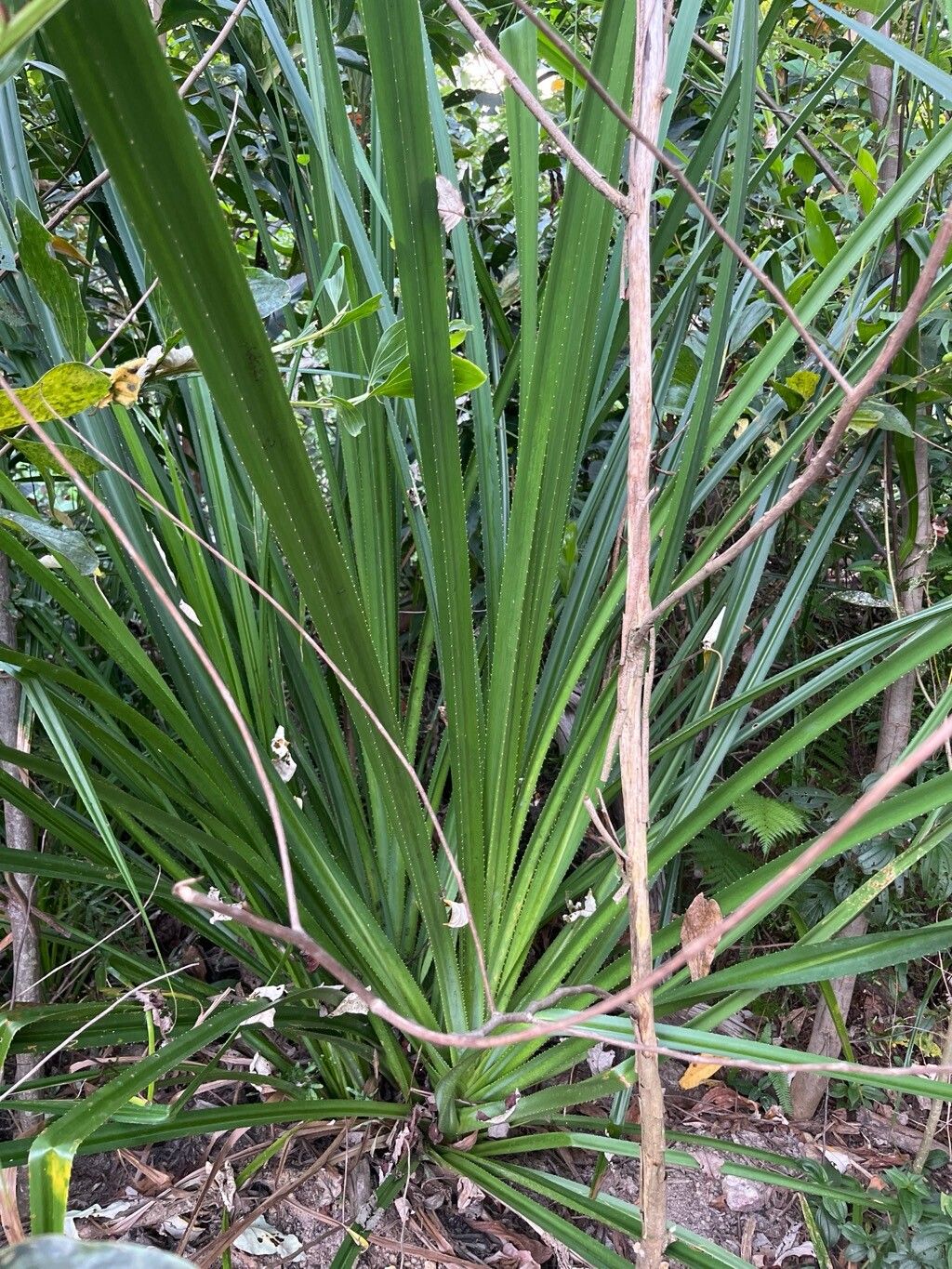
Oh, the Pandanus pulcher! That elegant, architectural beauty with its striking, architectural leaves. It’s a plant that truly commands attention, and if you’ve ever admired one, you’ve probably thought, “Could I grow another one of those?” The good news is, yes, you absolutely can! Propagating Pandanus pulcher is surprisingly rewarding, and while it might seem a bit daunting at first, it’s actually quite achievable even for those newer to the plant world. You’ll feel such a thrill watching a little piece of your beloved plant flourish into something new.
The Best Time to Start
For Pandanus pulcher, spring is your absolute best friend. As the days get longer and the temperatures start to warm up, the plant is buzzing with growth energy. This is when it’s most receptive to propagation and will have the best chance of developing robust roots. Aim for a time when your plant is actively growing, not when it’s stressed or in a dormant phase.
Supplies You’ll Need
Here’s what you’ll want to have on hand before you get started:
- Sharp Pruning Shears or a Clean Knife: Sterilize them with rubbing alcohol to prevent disease.
- Potting Mix: A well-draining mix is crucial. I like to use a blend of equal parts peat moss (or coco coir), perlite, and coarse sand.
- Small Pots or Seed Trays: Whatever you have that’s clean and has drainage holes.
- Rooting Hormone (Optional but Recommended): This can give your cuttings a real boost, especially if you’re using an easier-to-root type like a basal pup.
- Watering Can with a Fine Rose: For gentle watering.
- Clear Plastic Bags or a Propagator: To create a humid environment.
- Chopsticks or a Wooden Skewer: For making planting holes.
- Spray Bottle: For misting.
Propagation Methods
Pandanus pulcher typically propagates through basal pups or stem cuttings. Let’s break those down.
Propagating Basal Pups
Often, your mature Pandanus pulcher will produce little baby plants, called pups, around its base. This is the easiest way to get started!
- Gently Uncover: Carefully brush away some of the soil around the base of the parent plant. You want to get a good look at where those pups are emerging from.
- Identify a Healthy Pup: Look for a pup that’s at least a few inches tall and has its own developed leaves. It’s best if it has a little bit of its own root system starting.
- Separate with Care: This is the delicate part. Using your clean knife or shears, carefully cut the pup away from the mother plant. Try to get as much of its base, including any nascent roots, as you can. If it has a good set of roots already, even better!
- Allow to Callus (Optional but Recommended): Let the cut end of the pup air dry for a day or two in a bright, indirect light spot. This helps the wound callus over, which can prevent rot and encourage rooting.
- Potting Up: Fill your small pot with your well-draining potting mix. Use a chopstick or skewer to make a small hole in the center.
- Planting: Dip the callused end of the pup into rooting hormone (if using), then gently place it into the hole. Firm the soil around the base.
- Water Gently: Water thoroughly but use a light hand. You don’t want to dislodge the cutting.
Propagating Stem Cuttings
If you don’t have pups or want to take a piece from higher up the plant:
- Select a Healthy Stem: Choose a healthy stem with a few sets of leaves. About 3-6 inches is a good length.
- Make the Cut: Using your sterilized shears or knife, make a clean cut just below a leaf node. A leaf node is where a leaf emerges from the stem.
- Remove Lower Leaves: Strip off the leaves from the bottom half of the cutting. This exposes the nodes where roots will emerge and prevents leaves from rotting in the soil.
- Allow to Callus: Just like with pups, let the cut end air dry for a couple of days to callus.
- Rooting Hormone (If Using): Dip the callused end into rooting hormone.
- Planting: Fill a pot with your well-draining potting mix. Make a hole with a chopstick.
- Insert the Cutting: Place the cutting into the hole and firm the soil around it. Ensure at least one leaf node is buried in the soil.
- Water Gently: Water thoroughly, as you did with the pups.
The “Secret Sauce” (Pro Tips)
Here are a couple of things I’ve learned over the years that really make a difference:
- If you’re using water propagation for stem cuttings (which I do sometimes for easier plants, but I’m a bit more cautious with Pandanus), never let the leaves touch the water. They’ll turn yellow and mushy in no time. Only the stem should be submerged.
- Bottom heat is your friend! Placing your pots on a propagation mat or even just a warm windowsill can significantly speed up the rooting process. It encourages those roots to get active.
Aftercare & Troubleshooting
Once your pup or cutting is planted, the work isn’t done!
- Maintain Humidity: Cover your pots with a clear plastic bag or place them in a propagator. This creates a mini-greenhouse environment, keeping the humidity high, which is vital for the cuttings to root without drying out. Poke a few small holes in the bag to allow for some air circulation and prevent fungal issues.
- Light: Place your cuttings in a bright spot, but out of direct sunlight. Too much sun can scorch delicate new growth.
- Watering: Keep the soil consistently moist but not waterlogged. Check the soil moisture regularly by sticking your finger in about an inch. If it feels dry, give it a gentle watering. Misting the leaves occasionally can also be beneficial, especially if you don’t have a plastic bag covering.
- Signs of Rooting: You’ll know it’s rooting when you see new leaf growth or feel a gentle resistance when you tug very lightly on the cutting. This can take anywhere from 4 to 8 weeks, sometimes longer. Be patient!
- Troubleshooting: The most common issue is rot. This usually happens from overwatering or poor drainage. If you see mushy stems or blackening at the base, sadly, the cutting is likely lost. Remove it from the pot and discard it to prevent it from affecting other cuttings. Ensure your soil is well-draining and avoid letting the pot sit in standing water.
A Gentle Encouragement
Propagating plants is a journey, and sometimes they don’t make it. Don’t get discouraged! Each attempt is a learning experience. Celebrate the successes, and when something doesn’t work out, take note of what might have gone wrong and try again. The joy of nurturing a new Pandanus pulcher from a tiny cutting is truly something special. Happy growing!
Resource:
https://identify.plantnet.org/k-world-flora/species/Pandanus%20pulcher%20Martelli/data