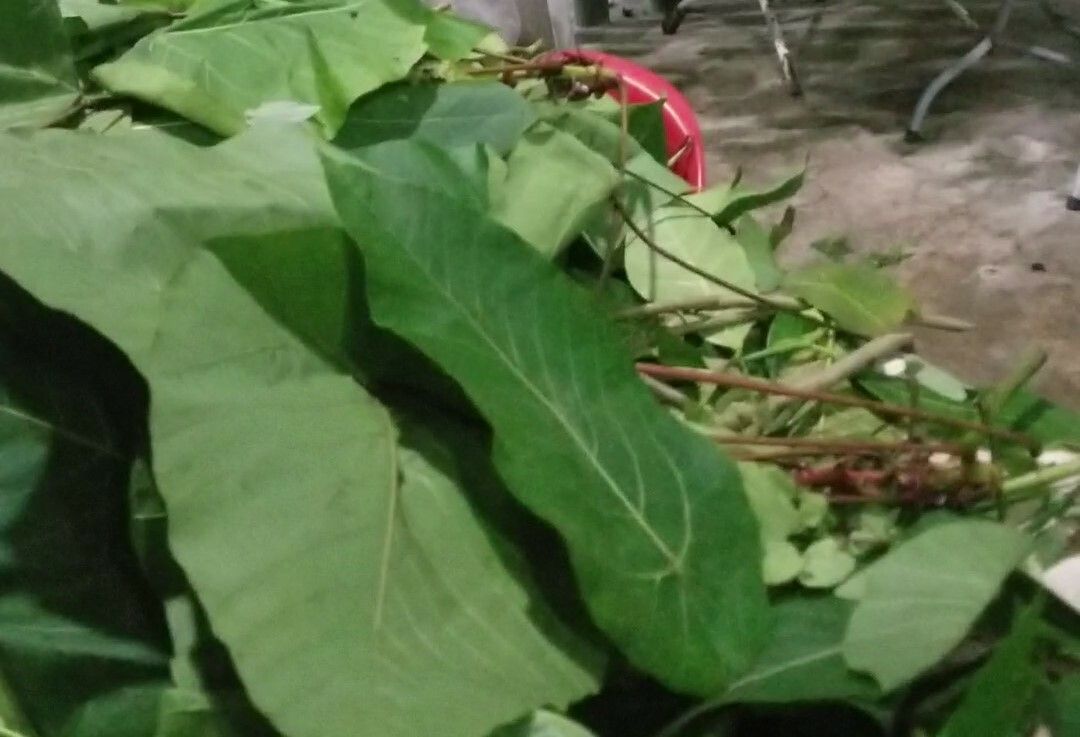
Ah, Macaranga recurvata! If you’ve seen this beauty, you know its charm. Those large, often deeply lobed leaves, the way it can create such a lush, tropical feel so quickly – it’s like bringing a piece of the rainforest home. And the best part? You can absolutely create more of these specimens yourself! Propagating plants, especially something as rewarding as Macaranga recurvata, is one of my favorite ways to fill my garden and share the love with friends.
Now, let’s be honest. Is Macaranga recurvata a ‘stick it in the ground and forget it’ kind of plant for propagation? Not quite. It’s not overly difficult, but it does appreciate a little thoughtful attention. I’d put it in the enjoyable-challenge category – perfect for those of you who have a bit of gardening experience and are ready to dive a little deeper.
The Best Time to Start
Timing is everything, as they say! For Macaranga recurvata, the sweet spot is late spring through summer. This is when the plant is in its most vigorous growth phase. You’re looking for stems that are semi-hardwood – meaning they’re not brand new, tender growth, but they’re also not old and woody. Think of a stem that bends a bit without snapping entirely. This offers the best chance for quick root development.
Supplies You’ll Need
Gathering your supplies beforehand makes the whole process much smoother. Here’s what I usually have on hand:
- Sharp Pruning Shears or a Clean Knife: For making clean cuts. Sterilize them with rubbing alcohol before you begin!
- Rooting Hormone: A powder or gel will really give your cuttings a boost.
- Well-Draining Potting Mix: I love a blend of perlite, vermiculite, and a good quality peat moss or coco coir. About equal parts works wonderfully. You want air circulation for the roots.
- Small Pots or Seedling Trays: Choose containers with drainage holes.
- Plastic Bags or a Clear Dome: To create a humid environment for your cuttings.
- Watering Can with a Fine Rose: For gentle watering.
- (Optional) A Heating Mat: This is a game-changer for speeding up root formation, especially if your home is on the cooler side.
Propagation Methods
Stem cuttings are your best bet for Macaranga recurvata. It’s straightforward and usually yields great results.
- Take Your Cuttings: Select a healthy, non-flowering stem. Look for sections that have at least two to three sets of leaves. Using your sterilized shears or knife, make a clean cut just below a leaf node (where a leaf attaches to the stem). Aim for cuttings that are about 4-6 inches long.
- Prepare the Cuttings: Gently remove the lower leaves, leaving just one or two sets at the very top. This helps prevent them from rotting in the soil. If the remaining leaves are very large, you can cut them in half horizontally to reduce water loss through transpiration.
- Apply Rooting Hormone: Dip the cut end of the stem into your rooting hormone, ensuring it’s coated. Tap off any excess.
- Plant Your Cuttings: Fill your chosen pots or trays with your moistened potting mix. Make a hole in the center with your finger or a pencil, large enough to accommodate the cutting. Carefully insert the cutting into the hole, firming the soil gently around the base. Make sure the leaf nodes you removed are covered by the soil.
- Create a Humid Environment: Water the soil gently. Then, cover the pot tightly with a plastic bag or a clear dome. You want to trap humidity around the cuttings. If using a bag, you might need to insert a few small sticks to keep the plastic from touching the leaves.
The “Secret Sauce” (Pro Tips)
Here are a few little tricks I’ve learned over the years that make a difference:
- Don’t let the leaves touch the water: Even if you mist. Excess moisture on the leaves, especially when they’re in a covered environment, can encourage fungal diseases. If they droop into the moisture at the bottom of the pot, they’re more prone to rot.
- Bottom heat is your friend: If you have a heat mat, place your pots on it. This provides a consistent, warm temperature at the soil level, which is crucial for stimulating root growth. It’s like giving your cuttings a cozy, warm bed to start their new life.
- Consider stem thickness: While you want semi-hardwood, avoid overly thin, spindly stems. A cutting with a bit of substance will have more energy reserves to draw upon while it develops roots.
Aftercare & Troubleshooting
Once your cuttings are planted, place them in a bright location out of direct sunlight. You want that lovely indirect light. Keep the soil consistently moist but not waterlogged. Check the humidity within the dome or bag regularly; you don’t want total condensation dripping everywhere, but a gentle mist clinging to the plastic is good.
After a few weeks to a couple of months, you should start seeing new leaf growth at the top of the cutting. This is a fantastic sign! Gently tugging on a cutting – if you feel resistance, roots are forming.
The most common sign of failure is rot. Your cutting will turn black and mushy. This usually happens when there’s too much moisture, poor air circulation, or if the leaves were touching water. If you see rot, sadly, that cutting is likely lost. To prevent it, ensure good drainage in your soil mix and don’t overwater. Another sign of failure is a cutting that just looks sad and wilts without any new growth after a long period. This could mean it didn’t root or it’s not getting enough light or a consistent temperature.
A Encouraging Closing
Propagating plants is a journey, and sometimes it takes a little patience. Don’t get discouraged if every single cutting doesn’t make it. Each attempt is a learning experience. Enjoy the process of nurturing these little bits of life, and soon you’ll have a whole collection of your own gorgeous Macaranga recurvata! Happy gardening!
Resource:
https://identify.plantnet.org/k-world-flora/species/Macaranga%20recurvata%20Gage/data