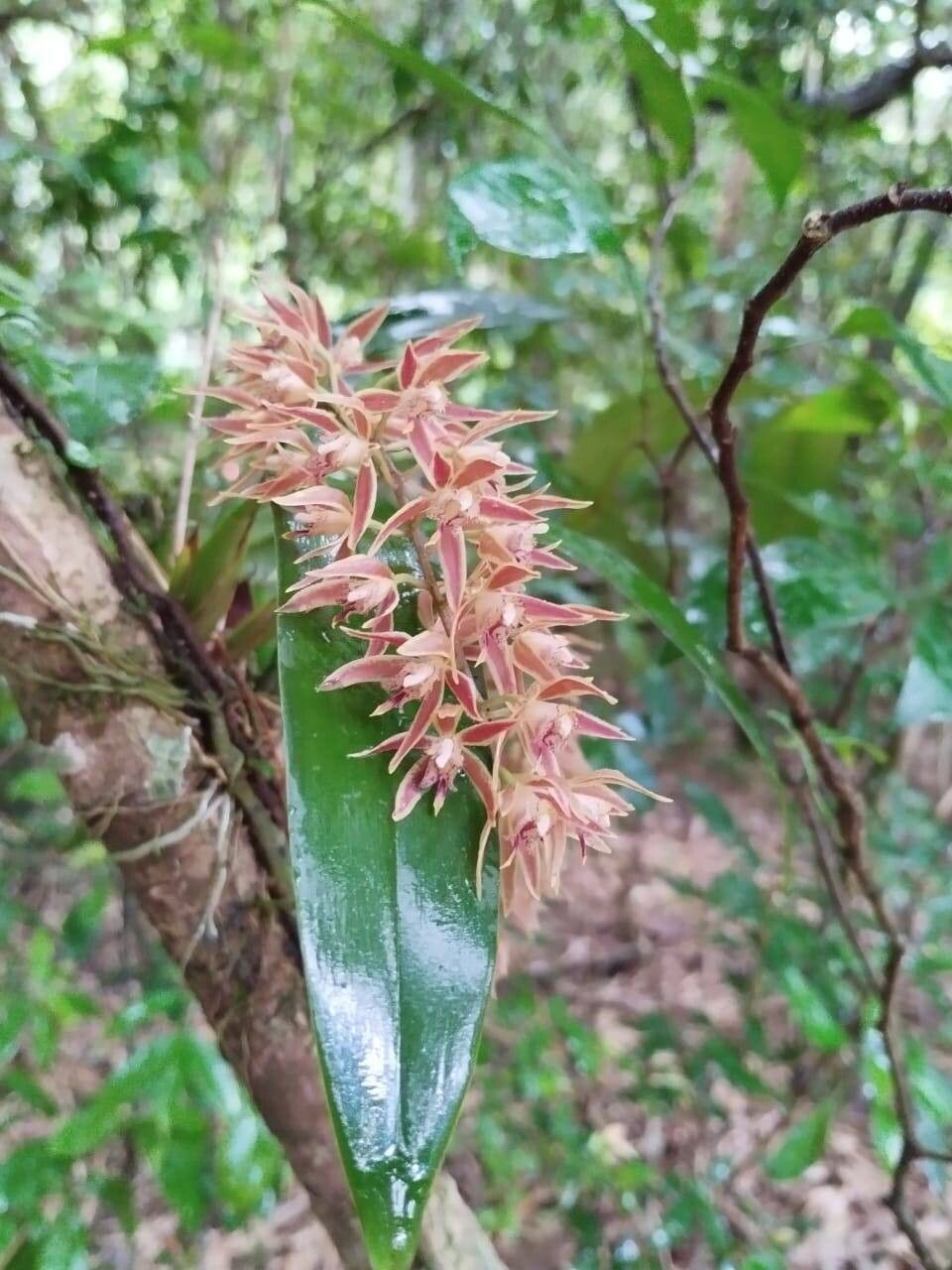
Hey there, fellow plant lovers! Today, we’re diving into the wonderful world of propagating Macradenia lutescens. If you’ve ever marveled at this orchid’s delicate, sweet-scented blooms, you’re in for a treat. Getting more of these beauties from your existing plant is incredibly rewarding, and honestly, quite achievable! While orchids can sometimes feel a bit intimidating, Macradenia lutescens is fairly forgiving, making it a great one to try your hand at.
The Best Time to Start
The sweet spot for propagating Macradenia lutescens is usually during its active growth period. For most orchids, this is typically after they’ve finished blooming and are putting out new roots and leaves. Think of it as giving your new plant the best possible start with plenty of energy to draw from.
Supplies You’ll Need
Here’s what you’ll want to have on hand:
- Sharp, sterile pruning shears or a clean knife: We’re aiming for clean cuts to prevent disease.
- Potting mix for orchids: A well-draining mix is crucial. I like to use a blend of bark, perlite, and a little sphagnum moss for good aeration and moisture retention.
- Small pots or seedling trays: Something that fits your divisions comfortably.
- Rooting hormone (optional but helpful): This can give your cuttings a little boost. Look for one specifically for orchids or softwoods.
- Spray bottle: For keeping things moist.
- Labels: So you don’t forget what you planted where!
Propagation Methods
For Macradenia lutescens, division is generally the most successful and straightforward method.
Division:
- Gently unpot your Macradenia lutescens. It’s often easier to work with the plant when it’s slightly dry.
- Inspect the root system. Look for natural breaks where you can divide the plant into sections, ensuring each section has at least 2-3 healthy pseudobulbs (those swollen stem-like structures) and a good amount of roots.
- Using your sharp shears or knife, carefully separate the divisions. If the roots are tangled, you might need to gently tease them apart. Don’t be afraid to sacrifice a few old, dried-up roots – they won’t contribute much anyway.
- Trim away any damaged or decaying roots.
- Allow the cut surfaces to callus over for a few hours, or even overnight. This is a crucial step to prevent rot. You can place them in a dry, airy spot.
- Pot each division individually into your prepared orchid mix. Make sure the pseudobulbs are sitting at the surface or just slightly buried.
- Water sparingly immediately after potting. You want the mix to be slightly moist, not waterlogged.
The “Secret Sauce” (Pro Tips)
Here are a couple of things I’ve learned over the years that really make a difference:
- Don’t rush the callusing: Seriously, this is where many new propagators slip up. Letting those cut ends dry and seal up is like giving your plant a protective bandage before it hits the soil. It prevents so many headaches downstream.
- Think about airflow: Orchids love good air circulation. When you pot your divisions, ensure there are plenty of air pockets in the mix. Even after potting, try to keep them in a spot with decent air movement, but avoid direct, drying drafts.
Aftercare & Troubleshooting
Once your divisions are potted, keep them in a bright, indirect light location. Avoid direct sun, which can scorch tender new growth. Water them lightly whenever the potting mix starts to feel dry. You’ll want to mist them occasionally, especially if the air is dry, but ensure the leaves aren’t sitting in water for extended periods.
The first signs of success will be new root growth emerging from the base of the pseudobulbs. This can take several weeks, so patience is key!
The most common issue you’ll encounter is rot. If you see pseudobulbs turning mushy and black, or leaves yellowing and dropping with no signs of new growth, it’s likely due to overwatering and poor drainage. If you catch it early, try to repot, trim away all the rotted parts, and allow the plant to callus again.
A Little Patience Goes a Long Way
Propagating Macradenia lutescens is a journey, and each new plant you nurture from your existing one is a testament to your green thumb. Be patient, observe your new plants closely, and enjoy the process of watching them grow and flourish. Happy propagating!
Resource:
https://identify.plantnet.org/k-world-flora/species/Macradenia%20lutescens%20R.Br./data