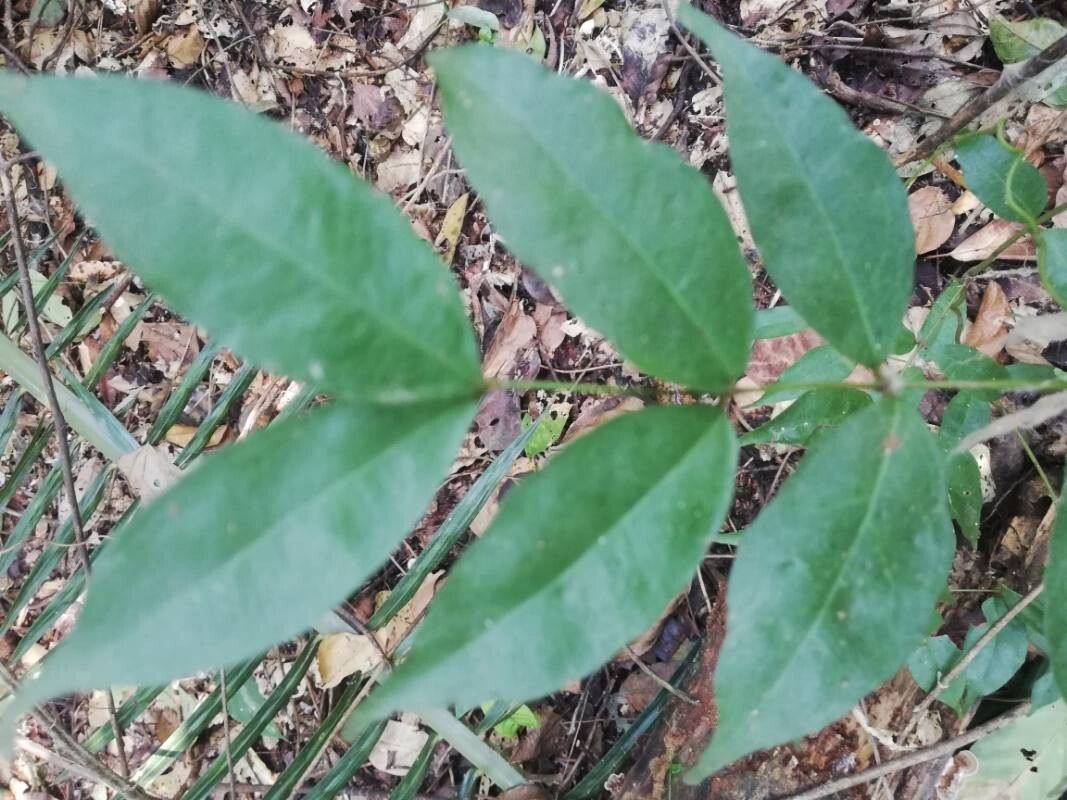
Hello there, fellow plant enthusiasts! Today, we’re diving into the wonderful world of Gnetum africanum, also known as Efo Wègbè or African Spinach. If you’re looking for a leafy green that’s not only nutritious but also a fantastic conversation starter in your garden, this is it. Its unique appearance and culinary uses make it a truly special plant. And the best part? Propagating your own Gnetum africanum is incredibly rewarding. It’s a plant that’s generally quite forgiving, making it a good project for those newer to the propagation game.
The Best Time to Start
When it comes to getting started with Gnetum africanum, spring is your golden ticket. Aim for when the plant is actively growing, usually after the last frost. This new growth is full of energy and hormones that encourage root development, giving your cuttings the best chance to thrive.
Supplies You’ll Need
Before we get our hands dirty, let’s gather our tools. Having everything ready makes the process so much smoother.
- Sharp Pruning Shears or Scissors: Clean cuts are crucial!
- Rooting Hormone (Optional, but Recommended): This little powder or gel can really speed things up.
- Well-Draining Potting Mix: A blend of equal parts peat moss, perlite, and compost works wonders. Some people like to add a bit of coarse sand too.
- Small Pots or Propagation Trays: Clean and with drainage holes, of course.
- Plastic Bags or Dome Covers: For creating a humid microclimate.
- Watering Can with a Fine Rose: To avoid disturbing your precious cuttings.
- Marker and Labels: So you don’t forget what you planted where!
Propagation Methods
Gnetum africanum is a champion when it comes to stem cuttings. It’s the most straightforward and successful method for us home gardeners.
Stem Cuttings:
- Select Your Cuttings: Look for healthy, non-flowering stems from a mature plant. Aim for pieces that are about 6-8 inches long. Make sure each cutting has at least two sets of leaves.
- Make the Cut: Using your sharp pruning shears, make a clean cut just below a leaf node. The leaf node is where new roots will emerge.
- Prepare the Cutting: Remove the lower leaves from the cutting, leaving only the top set. This prevents them from rotting once you plant.
- Apply Rooting Hormone (If Using): Dip the cut end of the stem into the rooting hormone powder or gel, tapping off any excess.
- Plant Your Cuttings: Fill your small pots or trays with your prepared potting mix. Make a small hole in the center with your finger or a pencil.
- Insert the Cutting: Gently place the prepared cutting into the hole, ensuring the treated end is in contact with the soil. Firm the soil gently around the stem.
- Water Gently: Water thoroughly, but avoid waterlogging. The soil should be moist, not soggy.
- Create Humidity: Cover the pot loosely with a plastic bag or place it in a propagation tray with a clear dome. This will trap moisture around your cuttings.
The “Secret Sauce” (Pro Tips)
After years in the garden, you pick up a few tricks that make all the difference. Here are a couple of my favorites for Gnetum africanum:
- The Bottom Heat Boost: If you can, place your pots on a heat mat. Gnetum africanum loves warmth, and bottom heat really encourages those roots to get going. It’s like a cozy greenhouse for your cuttings!
- Stealthy Watering: When you water, try to water the soil directly, not the leaves. If leaves get trapped in puddles or constantly sit in moisture, they’re much more prone to fungal issues and rot. A gentle misting is fine, but for watering, aim low.
Aftercare & Troubleshooting
Once your cuttings have taken root – you’ll know because you’ll see new leaf growth appearing – it’s time to give them a little more freedom.
- Gradual Acclimation: Slowly begin to remove the plastic cover over a few days to allow the new plant to adjust to the drier air.
- Light: Place them in a bright spot, but out of direct, harsh sunlight for now. The same dappled shade they enjoy as mature plants is perfect.
- Continued Watering: Keep the soil consistently moist, but never waterlogged. Water when the top inch of soil feels dry to the touch.
- Troubleshooting: The most common issue you’ll face is rot. If you see your cuttings wilting, turning black, or becoming mushy, it’s usually a sign of too much moisture and poor air circulation. Ensure your pots have good drainage and don’t be tempted to overwater. If rot sets in, it’s often best to discard the affected cutting to prevent it from spreading.
Wrapping Up
Propagating Gnetum africanum is a journey of patience and observation. Don’t get discouraged if not every cutting takes. Each one is a learning experience, and soon you’ll have a garden filled with this delightful plant. Enjoy the process, and happy gardening!
Resource:
https://identify.plantnet.org/k-world-flora/species/Gnetum%20africanum%20Welw./data