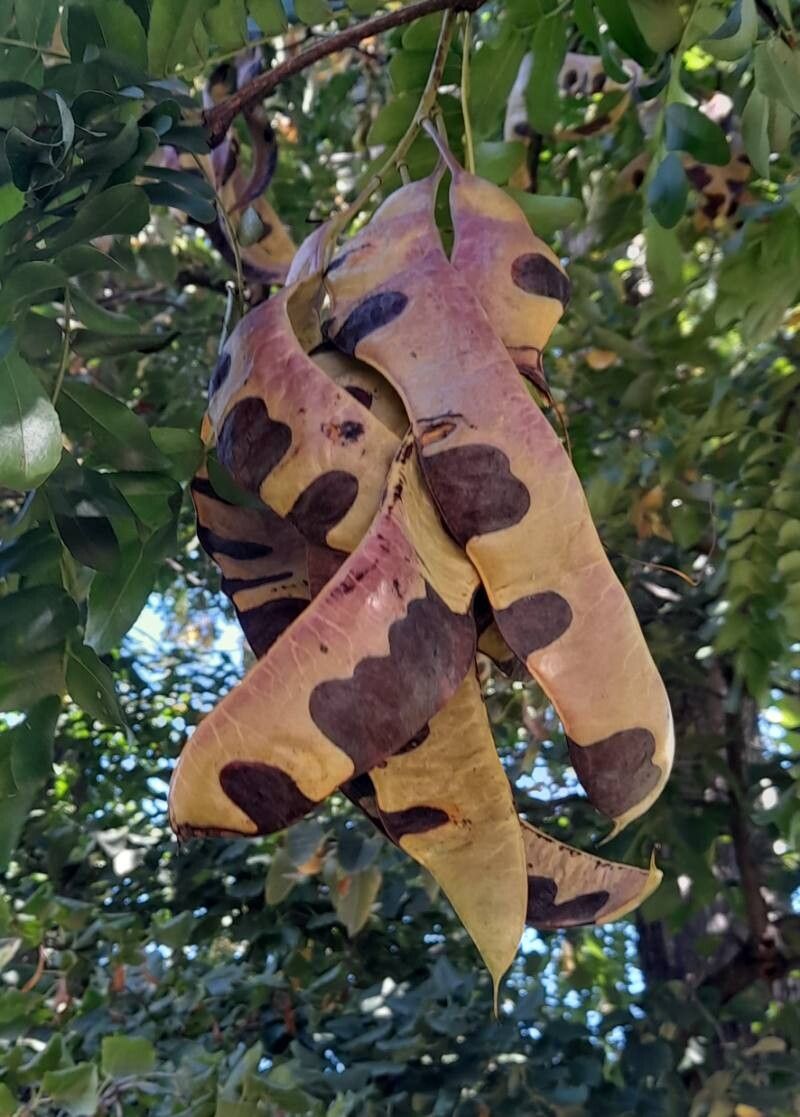
Oh, Gleditsia caspica! What a wonderful tree to get acquainted with. Its elegant, compound leaves and the promise of those lovely seed pods make it a real treasure in any garden. Plus, there’s something incredibly satisfying about growing your own tree from a tiny cutting or a seed. It connects you to nature in a really fundamental way, don’t you think? For those of you just dipping your toes into the world of plant propagation, I’d say Gleditsia caspica is moderately easy. It’s not quite as straightforward as a pothos, but with a little patience and the right approach, you’ll be rewarded.
The Best Time to Start
Timing is everything, my friends! For Gleditsia caspica, the absolute best time to dive into propagation is in the late spring to early summer. This is when the plant is in its active growth phase. You’ll be looking for new, softwood growth. Think stems that are flexible but not so soft they wilt instantly. If you’re going the seed route, collecting ripe seed pods in the fall and stratifying them over winter is the way to go.
Supplies You’ll Need
Before we get our hands dirty, let’s gather our tools. A little preparation goes a long way!
- Sharp Pruning Shears or a Craft Knife: For clean cuts that heal well.
- Rooting Hormone Powder or Gel: This is your secret weapon for encouraging root development.
- Potting Mix: A good, well-draining mix is crucial. I like to use a blend of peat moss or coco coir with perlite or vermiculite. About a 50/50 ratio usually does the trick.
- Small Pots or Seed Trays: Clean and with drainage holes, of course.
- Clear Plastic Bags or a Mini Greenhouse: To create a humid environment.
- Watering Can with a Fine Rose: For gentle watering.
- Labels: To remember what you’ve planted and when!
- Optional: Heat Mat: This can significantly speed up root formation.
Propagation Methods
Let’s explore a couple of reliable ways to get your Gleditsia caspica journey started.
Softwood Stem Cuttings
This is my personal favorite for Gleditsia caspica. It’s efficient and yields great results.
- Select Your Cuttings: In late spring or early summer, identify healthy, vigorous stems on your Gleditsia caspica. Look for shoots that are about 4-6 inches long and have plenty of leaves. Avoid woody growth or very floppy new shoots.
- Make the Cut: Using your sharp shears or a knife, make a clean cut just below a leaf node. A leaf node is where a leaf attaches to the stem – this is where the magic of root formation tends to happen.
- Prepare the Cutting: Gently remove the lower leaves, leaving just a couple at the very top. This reduces water loss and prevents leaves from rotting in the soil. You can also dip the cut end into water briefly before moving to the next step.
- Apply Rooting Hormone: Dip the cut end into your rooting hormone powder or gel. Tap off any excess – you want a light coating.
- Plant the Cutting: Fill your small pots with your prepared potting mix. Make a small hole in the center with your finger or a pencil. Insert the cutting into the hole, making sure the leaf nodes are buried. Gently firm the soil around the base.
- Water and Cover: Water thoroughly but gently until water drains from the bottom. Then, cover the pot with a clear plastic bag, creating a mini greenhouse effect. Secure it with a rubber band or twist tie. If you have a greenhouse with a lid, that works perfectly too.
Seed Propagation
Gleditsia caspica seeds need a little coaxing to wake up.
- Collect and Scarify: Collect ripe seed pods in the fall. The seeds inside have a very hard coat, which needs to be softened. This process is called scarification. You can achieve this by gently nicking the seed coat with a file or sandpaper, or by soaking the seeds in hot (but not boiling) water for 24 hours.
- Stratify (Cold Treatment): After scarifying, it’s time for cold, moist stratification. Mix the seeds with some dampened peat moss or vermiculite in a plastic bag or a small container. Place this in the refrigerator for 60-90 days. Check the moisture periodically, and re-dampen if needed.
- Sowing: After stratification, sow the seeds about ½ inch deep in your well-draining potting mix, in trays or small pots.
- Water and Cover: Water gently and cover with a plastic bag or lid to maintain humidity.
The “Secret Sauce” (Pro Tips)
Here are a few things I’ve learned over the years that make a big difference.
- Bottom Heat is Your Friend: Especially for stem cuttings, placing the pots on a heat mat set to around 70-75°F (21-24°C) will significantly speed up root formation. It mimics the warmth of spring soil.
- Don’t Drown Your Cuttings: While humidity is key, you don’t want soggy soil. Check the moisture by gently touching the surface. If it feels dry, give it a light watering. Overwatering is the quickest way to invite rot.
- Patience with Seeds: Gleditsia caspica seeds can be a bit stubborn. Don’t be discouraged if they don’t pop up right away. Sometimes germination can be a slow process.
Aftercare & Troubleshooting
Once your Gleditsia caspica cutting starts to show signs of life – new leaf growth is a great indicator – it’s time to adjust its care.
- Acclimatize Gradually: Slowly remove the plastic bag a little each day over a week to help the new plant adjust to normal humidity.
- Light: Place your new plant in a bright location, but out of direct, harsh sunlight initially. A spot with dappled light is ideal.
- Watering: Continue to water as needed, keeping the soil consistently moist but not waterlogged.
- Repotting: Once the roots have filled the pot and you see good top growth, you can transplant it into a slightly larger pot or its permanent location.
The most common issue you’ll encounter is rot. This usually happens if the soil stays too wet or there isn’t enough air circulation. Signs include a soft, black stem base or a cutting that wilts and turns mushy. If you see this, sadly, it’s best to discard the cutting and start again. Don’t beat yourself up about it – it happens to the best of us!
A Encouraging Closing
Growing your own Gleditsia caspica is such a rewarding endeavor. It’s a journey of observation, patience, and a little bit of hope. Don’t be afraid to experiment and learn from each attempt. Enjoy the process, savor the little victories, and before you know it, you’ll have magnificent little trees to nurture and admire. Happy planting!
Resource:
https://identify.plantnet.org/k-world-flora/species/Gleditsia%20caspica%20Desf./data