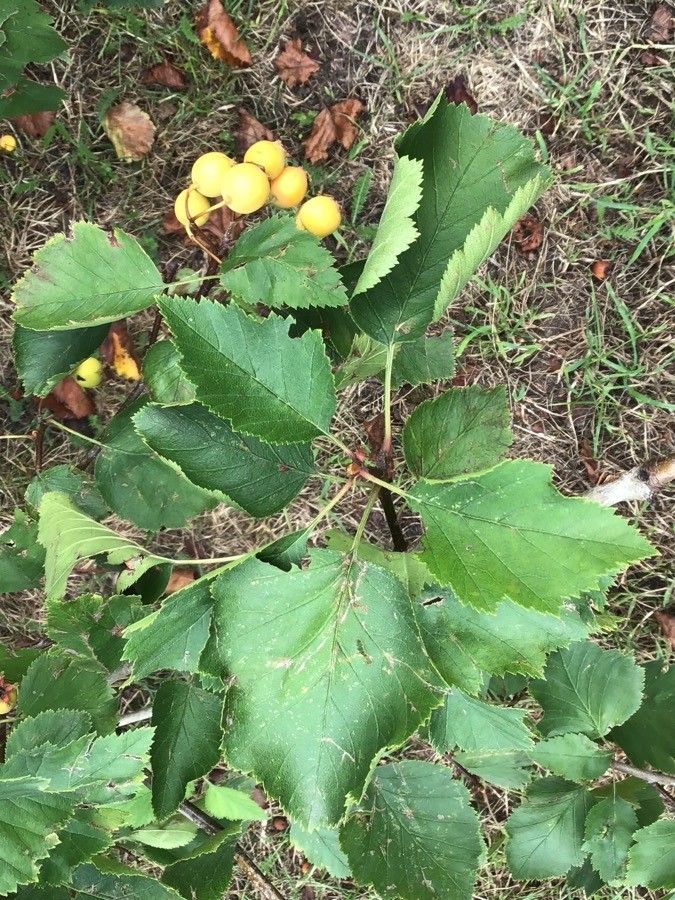
Hello fellow plant lovers! Today, we’re diving into the wonderful world of propagating Crataegus pennsylvanica, also known as the Pennsylvania Hawthorn. If you adore plants that grace our landscapes with delicate spring blooms, vibrant autumn berries, and sturdy, thorny branches that offer sanctuary to wildlife, then you’ll understand the appeal of this beauty. Growing more of them yourself? That’s a truly rewarding endeavor, and I’m here to guide you, step-by-step. For beginners, propagating hawthorns can be a bit of a learning curve, but with a little patience and the right approach, you’ll be successful!
The Best Time to Start
Timing is everything when it comes to plant propagation. For Crataegus pennsylvanica, the sweet spot is late spring to early summer. This is when the plant is actively growing, and softwood cuttings (new growth that’s still flexible) will have the best chance of rooting. You can also try semi-hardwood cuttings a little later in the summer, after the initial flush of growth has begun to harden slightly.
Supplies You’ll Need
Gather your supplies before you begin, and you’ll find the process much smoother.
- Sharp Pruning Shears or a Knife: Clean cuts are crucial for a healthy start.
- Rooting Hormone: A powder or gel will significantly increase your success rate.
- Small Pots or Propagation Trays: With drainage holes, of course!
- Well-Draining Potting Mix: A good blend of peat moss, perlite, and a little sand works wonders. You can also buy specialized seedling or cutting mixes.
- Clear Plastic Bags or a Propagation Dome: To create a humid environment.
- Watering Can or Spray Bottle: For gentle watering.
- Labels: So you don’t forget what you planted!
Propagation Methods
Let’s get our hands dirty! Here are a couple of reliable ways to propagate your Pennsylvania Hawthorn.
1. Softwood Cuttings
This is my go-to method for Crataegus pennsylvanica in the early growing season.
- Take Cuttings: Select healthy stems that are about 4 to 6 inches long. Look for new growth that is green and pliable but not floppy. Using your clean shears, make a cut just below a leaf node (where a leaf attaches to the stem).
- Prepare the Cuttings: Gently remove the lower leaves, leaving just a couple at the very top. If the remaining leaves are large, I like to cut them in half horizontally to reduce water loss through transpiration.
- Apply Rooting Hormone: Dip the cut end of each stem into your rooting hormone, ensuring it’s coated up to the first leaf node. Tap off any excess.
- Plant the Cuttings: Fill your small pots with your well-draining potting mix. Make a hole in the center of the soil with a pencil or your finger. Insert the treated cutting into the hole, gently firming the soil around it.
- Water Gently: Water the pots thoroughly but gently. You want the soil to be moist but not waterlogged.
- Create Humidity: Cover each pot with a clear plastic bag, secured with a rubber band, or place them under a propagation dome. Make sure the leaves don’t touch the plastic bag – if they do, you can use small stakes to prop the bag up.
- Place in Bright, Indirect Light: Find a warm spot that receives bright, indirect sunlight. Avoid direct sun, which can scorch your cuttings.
2. Semi-Hardwood Cuttings
If you missed the softwood window or want to try later in the season, semi-hardwood cuttings are a great option. The process is very similar to softwood cuttings, but you’ll be selecting stems that are slightly woodier. They’ll snap rather than bend easily.
The “Secret Sauce” (Pro Tips)
Here are a few tricks I’ve learned over the years that can really boost your hawthorn propagation success:
- Bottom Heat is Your Friend: If you have it, using a heating mat under your propagation trays can make a huge difference. This gentle warmth encourages root development from below, mimicking ideal soil temperatures.
- Sterilize Everything: I can’t stress this enough! Wipe down your shears, pots, and even your hands with rubbing alcohol before you start. This helps prevent the spread of any fungal diseases, which can be the bane of cuttings.
- Don’t Be Afraid to Mist: While you want to avoid waterlogged soil, keeping the leaves themselves moist in that humid environment is beneficial. I like to give the cuttings a light misting with water every few days, especially if the air is dry.
Aftercare & Troubleshooting
Once your cuttings have successfully rooted (you’ll see new leaf growth or feel resistance when gently tugging on the stem), it’s time to transition them.
- Acclimate Gradually: Once roots are established, start gradually introducing them to drier air. This means slightly opening the plastic bag or propagation dome for increasing periods each day over a week or two.
- Move to Individual Pots: When they’re ready, transplant them into individual, slightly larger pots with your regular potting mix. Continue to keep them in bright, indirect light.
- Troubleshooting: The most common issue you’ll face is rot. If you see stems turning black or mushy, it’s usually a sign of overwatering and poor air circulation. Remove any affected cuttings immediately to prevent it from spreading. If your cuttings simply fail to root after several weeks, don’t get discouraged! Sometimes, it just takes a few tries.
A Encouraging Closing
Propagating Crataegus pennsylvanica is a journey, and like any good garden project, it requires patience. Don’t be discouraged if not every cutting takes. Celebrate the successes, learn from any setbacks, and most importantly, enjoy the process of nurturing new life from your beloved hawthorn. Happy propagating!
Resource:
https://identify.plantnet.org/k-world-flora/species/Crataegus%20pennsylvanica%20Ashe/data